
Essential First Aid Training for Dog Owners
When it comes to the health and well-being of our canine companions, understanding the basics of dog first aid is crucial for every dog owner. Accidents and emergencies can occur at any time, making it vital to be prepared. The foundation of effective first aid training begins with knowing your dog’s anatomy, recognizing symptoms of distress, and understanding common emergencies. For example, a dog may face choking, heatstroke, poisoning, or injuries from accidents. Identifying these situations early can save your dog’s life. Furthermore, having a well-stocked pet first aid kit on hand is essential. Key items include bandages, antiseptic wipes, muzzle, and even a digital thermometer to monitor your dog’s temperature effectively. Regular training keeps your skills sharp, ensuring you respond appropriately when incidents arise. It’s beneficial to seek out certified courses in dog first aid that cover practical skills and knowledge. You can often find these courses offered by veterinary clinics or pet training facilities. Online resources also provide valuable information, ensuring that you’re always informed about the latest practices in canine first aid. Overall, commitment to ongoing education is paramount in creating a safer environment for your beloved pet.
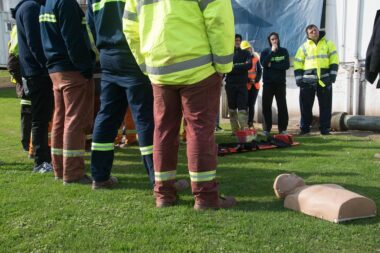
Your dog’s well-being often relies on your quick actions during emergencies. Basic first aid techniques can be divided into several essential components that every dog owner should know. Knowing how to perform CPR on a dog may prove vital in critical situations. You have to position your dog correctly, check for breathing, and utilize chest compressions if necessary. Additionally, you should familiarize yourself with how to create makeshift slings or splints to immobilize injuries. Having a clear understanding of how to control bleeding is equally important. Applying pressure on wounds and elevating the affected area can help stabilize your dog until professional veterinary assistance can be rendered. Educating yourself about common toxic substances is crucial as well. Many household items, such as certain plants, foods, and cleaning supplies, may be harmful or even deadly to dogs. Being aware of these poisons and recognizing symptoms early will allow you to act timely. Finally, practicing these techniques regularly with the help of training classes or videos will enhance your comfort and confidence during emergencies. Your proactive approach to learning dog first aid not only benefits your dog but contributes to a mutually supportive relationship built on trust and care.
Building a Comprehensive First Aid Kit
A well-equipped first aid kit tailored for dogs can make a significant difference in emergency situations. First, you would gather essential items like gauze pads, scissors, adhesive tape, and disposable gloves to ensure cleanliness while treating your dog. Furthermore, consider adding a muzzle to prevent your dog from snapping when in pain or distress. A digital thermometer specifically designed for pets is vital for monitoring body temperature. Your kit should also include antiseptic wipes to clean wounds and prevent infection. In addition to these items, consider adding a small flashlight in case of nighttime emergencies. Insect bite and sting relief medication can ease discomfort caused by insects and help soothe swelling. It’s also a great idea to keep a copy of your veterinarian’s contact information in your kit for quick access during emergencies. Don’t forget to include poison control contacts to consult in cases of suspected poisoning. Regularly check the expiration dates of medications and supplies, replacing them as needed. A well-organized first aid kit ensures that you will have access to crucial medical supplies when you need them most, allowing you to address situations immediately and calmly.
Besides understanding and preparing for specific injuries, knowing how to respond in case of poison ingestion is vital in first aid training. Many household items can be toxic or harmful to dogs, such as chocolate, grapes, and certain medications. If you suspect your dog has ingested something dangerous, do not panic; instead, try to determine what was consumed and how much. Contact your veterinarian or an emergency animal poison control hotline for immediate guidance. Symptoms of poisoning can vary, ranging from vomiting and diarrhea to seizures and lethargy. Being aware of visible indicators of distress can help you determine the severity. Do not attempt to induce vomiting unless instructed by a professional, as it may worsen the situation. Remember, prevention is essential; always keep harmful substances stored securely and out of reach of pets. Additionally, providing education about safe foods and plants will help you establish a safer home environment. Your proactive measures in safeguarding against poisoning, along with being equipped with vital first aid knowledge, will greatly enhance your ability to keep your furry friend safe and healthy.
Recognizing Common Emergency Situations
A dog owner must learn to identify common emergency situations that may require immediate attention. Choking is one of the more critical situations to recognize. If your dog suddenly starts coughing or gagging and cannot breathe, you must act quickly. In such cases, administering the Heimlich maneuver can save your dog’s life. Another emergency you may encounter involves excessive bleeding, possibly due to a cut from sharp objects or injuries during play. Applying firm pressure on the wound and elevating it can help control the bleeding until professional help arrives. In addition, keep a close eye on signs of heatstroke, particularly in warmer months. Dogs may overheat due to exposure to high temperatures or vigorous exercise. Symptoms include excessive panting, drooling, or lethargy. Cool water and shaded areas can assist in alleviating heat stress. Always monitor your pet’s health, schedule regular vet visits, and maintain vaccinations to prevent emergencies. Being observant will help you become attuned to your dog’s unique behaviors and needs. Ultimately, knowing what to look for when it comes to emergencies will empower you as a responsible dog owner.
The psychological aspect of emergency situations should not be overlooked. Stress and anxiety can affect both you and your dog when faced with an unexpected incident. It is crucial to practice calmness under pressure. Your dog can sense your emotions, and remaining calm will help them remain more tranquil as well. One effective method to combat stress is through practice and preparation. By familiarizing yourself with various first aid techniques and conducting mock emergency scenarios, you can enhance your confidence in handling real situations. Moreover, building a strong bond with your dog through positive reinforcement training can create a sense of security for them. A secure and well-trained dog is more likely to respond positively during stressful experiences. Engaging your dog in activities like obedience training and socialization promotes trust and strengthens your relationship. Additionally, referring to instructional resources or enrolling in dog first aid classes will help establish essential skills. Don’t underestimate the importance of community and support, whether through fellow dog owners or professional trainers. A united front in preparation and knowledge-sharing can empower all dog owners to provide better care during emergencies.
Conclusion: Be Proactive in Dog First Aid Training
In conclusion, being proactive in dog first aid training is fundamental to ensuring your furry friend stays safe and healthy. This involves understanding basic emergency techniques, having a well-stocked first aid kit, and recognizing various forms of distress that your dog may exhibit. Investing time in learning these crucial skills can make a significant difference in emergencies, potentially saving your dog’s life. Furthermore, continue to educate yourself regularly about canine health and safety through classes or online resources. The knowledge you gain will empower you to react assertively and effectively during critical moments. As responsible pet owners, our ultimate goal is to provide a loving and secure environment for our dogs. Building lifelong experiences based on trust, love, and understanding allows for a more enjoyable companionship. Always be prepared by staying informed about the latest recommendations in dog first aid. By doing so, you are not only enhancing your own capabilities but also promoting a safer community of dog owners who prioritize the well-being of their pets. As active participants in our pets’ lives, let us embrace the responsibility of dog first aid training wholeheartedly.