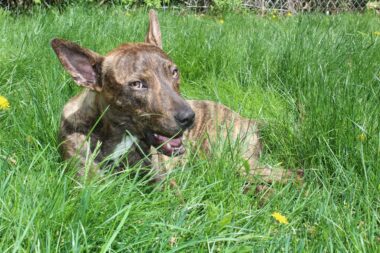

How to Identify Food Allergies in Rescued Dogs
Food allergies in rescued dogs can be alarming for owners and can lead to several health issues. These allergies can result from ingredients commonly found in dog food. Identifying a food allergy requires careful observation and some detective work. Owners should monitor their dog’s reactions after eating certain foods. Some common symptoms include itchy skin, gastrointestinal problems, and ear infections. Keeping a food diary detailing your dog’s diet and symptoms is essential. This diary will help pinpoint which foods may be the cause of the allergies. Start by feeding a single-source protein and carbohydrate diet for several weeks. After this elimination period, gradually introduce new ingredients one at a time, watching for adverse reactions. Time is crucial when identifying allergies; it might take days for symptoms to surface. It is wise also to consult with a veterinarian, who can provide guidance and potentially recommend allergy testing. The right diagnosis can lead to an effective treatment plan, improving your dog’s quality of life. This careful approach is vital for ensuring a happy, healthy life for rescued dogs experiencing food sensitivities.
Understanding the Common Symptoms
Common symptoms of food allergies in dogs are varied and can often mimic other health issues. Symptoms usually manifest after eating certain ingredients and can include intense itching, hair loss, and red, inflamed skin. This can also lead to secondary infections if not addressed promptly. Dogs might also experience gastrointestinal issues including vomiting, diarrhea, or gas after digestion. If your dog exhibits these symptoms, it is essential to take note of changes in behavior and health. Other signs might involve ear infections where the dog frequently scratches or shakes its head. Owners should be aware that symptoms can also vary in intensity and duration. Each dog’s reaction can differ significantly based on their immune system and the specific ingredients they are allergic to. When keeping a diary, it’s important to document the severity of the symptoms and their timing concerning meals. This information is crucial as it aids in discussing possible allergies with your veterinarian. Evaluating these symptoms helps in developing a proficient and impactful nutritional plan that accommodates your dog’s needs while avoiding allergens.
If you suspect that your rescued dog has food allergies, the next important step is finding the right veterinarian. Look for professionals who specialize in animal nutrition and dermatology as they can take an in-depth look at your dog’s specific history and potential sensitivities. Your vet will likely recommend starting a hypoallergenic diet for your dog. This diet is tailored to eliminate common allergens, including beef, dairy, wheat, and chicken. Hypoallergenic diets can come from veterinary-approved meals or prescription options. They typically contain ingredients that have a very low risk of triggering allergic reactions. During this time, introduce new foods gradually while observing for any adverse reactions. It’s crucial to be consistent; dogs usually require at least eight weeks on the new diet for the allergens to clear from their system completely. While your dog is on this elimination diet, avoid giving any treats or table scraps that might contradict the dietary plan. This commitment ensures an accurate assessment. Keeping your veterinarian updated during this period is key to finding the appropriate long-term food solution.
The Role of Ingredients
Understanding ingredients lists is critical in managing food allergies in dogs. Pet food products often contain a multitude of ingredients, making it difficult to pinpoint the potential allergens. By becoming familiar with common bothersome components, you can better help your dog avoid them. Proteins are frequently the culprits, with beef, chicken, and lamb being common allergens. Grains such as wheat, corn, and soy are also prevalent in many dog foods and can pose problems for some dogs. Additionally, additives, fillers, and artificial preservatives can trigger reactions. As such, it’s essential to read pet food labels carefully. Look for products with minimal ingredients, and ideally, those that feature a single protein and a single carbohydrate source. These diets are less likely to provoke food allergies. You might also consider consulting online resources or asking your veterinarian for trustworthy dog food brands specifically formulated for allergy-prone dogs. They can often suggest brands that meet high safety standards and cater to dogs with specific dietary restrictions, ensuring your pet receives the nutrients it needs without harsh allergens.
Another method to manage allergies is through diagnostic tests proposed by your veterinarian. Blood tests or skin tests can help identify specific food allergies in some cases. A blood test evaluates the severity of the allergic reaction the dog may experience from various ingredients, while a skin test checks for reactions to environmental allergens and common food sources. While these tests can provide valuable insights, they are often not definitive in showing food allergies. Results can vary, leading to confusing interpretations. Veterinary dermatologists sometimes conduct trials based on diagnostic results to confirm food sensitivities through monitored feeding practices. Remember, seeking a relevant opinion from a qualified veterinary specialist knowledgeable about the latest allergy diagnostic techniques and treatments would be best. The testing can be costly, and insurance coverage may vary. Before proceeding, discussing the implications and benefits of testing with your veterinary team is advisable. Proper diagnosis through these methods can change your approach, ensuring a tailored diet that will improve your dog’s health and overall well-being.
Long-term Management and Care
Long-term management of food allergies primarily revolves around dietary adjustments and ongoing evaluation. Once a dog has identified food allergies, it’s essential to follow a strict diet, avoiding any allergens identified through testing or behavioral observations. This vigilance includes reviewing all foods, treats, and even supplements provided to your dog. Cross-contamination of food items is another area owners must consider. Always ensure that the foods you are purchasing are processed in allergen-free facilities. Animal owners should maintain open lines of communication with their veterinarian to monitor the dog’s health over time. Regular check-ups can help clarify any new symptoms or adjustments needed in dietary plans. Additionally, consider conveying changes in your dog’s environment or any new food introductions. These factors can assist in refining your dog’s dietary plan more effectively. Supplements such as omega fatty acids, for instance, can help improve skin health and reduce allergic reactions. Just ensure that they are allergy-friendly before introducing them into the dog’s diet. This continued adjustment is crucial for maintaining your rescued dog’s well-being.
Ultimately, education is a vital component of successfully managing food allergies in rescued dogs. Owners should familiarize themselves with the dog food market, understanding how to read labels and recognize common allergens. Regularly educating yourself on dietary practices and how they relate to dog health allows for the best decision-making. Joining forums, reading articles, and collaborating with veterinarians can help broaden your understanding of pet nutrition. Networking with other pet owners who have dealt with food allergies can also provide support and insights. They may share experiences that could help ease concerns that arise during the management process. Adopting a proactive approach in learning continuously will empower you as an owner. Remember to focus on providing a healthy and safe environment for your dog. Pay attention to food changes and their impacts on your dog’s health and happiness. A well-managed diet tailored to your dog’s specific needs can lead to improved overall quality of life. This dedication to understanding and perhaps altering a dog’s eating habits can significantly enhance their daily experiences and health outcomes.
With patience and care, identifying food allergies in rescued dogs can be managed effectively. Owners must commit to this process, continually observing and adjusting as needed. Working closely with veterinarians and understanding your dog’s needs can lead to lasting improvements in their well-being. Tailoring diets to avoid allergens can give rescued dogs the opportunity to thrive. Owners should also provide plenty of love and support during this adjustment phase, as dietary changes can take time. Incorporating these strategies promotes a healthier lifestyle and reinforces positive connections between owners and pets. Regular check-ups, dietary trials, and ongoing research will keep you informed as you navigate your dog’s nutritional needs. Sharing experiences with others in the rescue community can also offer additional support and resources. Always remember that your efforts are both crucial and appreciated by your rescued pup. With diligence and care, rescued dogs can lead fulfilling lives free from the distress caused by food allergies.