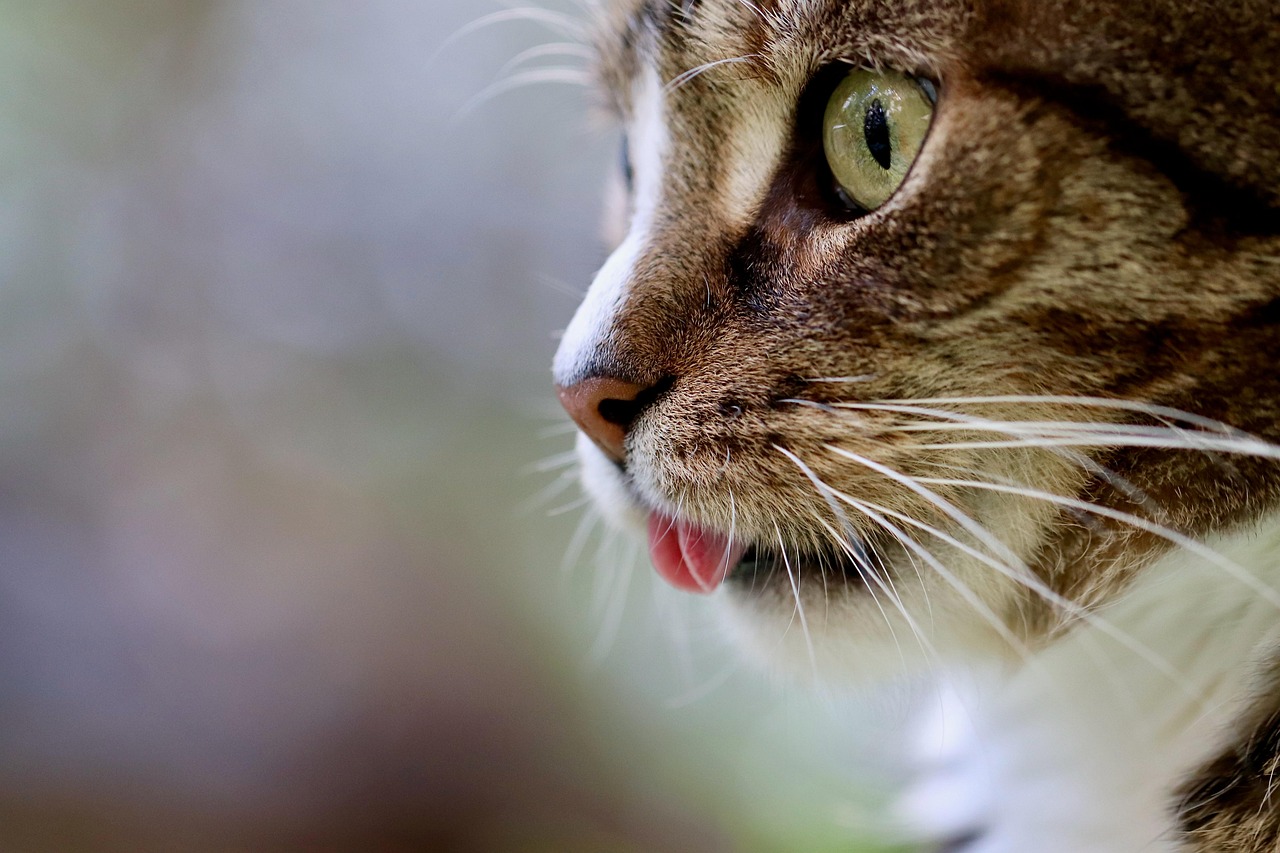

Wet Cat Food and Urinary Tract Health in Cats
Cat nutrition is critical for maintaining overall health, particularly when considering urinary tract issues. Wet cat food can significantly influence a cat’s urinary health, since hydration plays a key role in preventing disorders like urinary crystals and stones. These issues can cause discomfort and more serious health problems. Cats naturally consume less water compared to other animals, relying on food to meet their hydration needs. Feeding wet cat food increases moisture intake, which dilutes urine and encourages regular urination, thereby aiding in flushing out toxins. Additionally, wet food tends to contain fewer carbohydrates than dry formulations, which can be beneficial because high-carb diets may contribute to urinary problems. Furthermore, wet food is often more palatable for cats, encouraging them to eat more and stay hydrated. It’s essential for pet owners to choose high-quality wet food options, ideally those with natural ingredients and sufficient protein content. Consulting a veterinarian about suitable wet food options can provide tailored solutions for individual cats’ needs. Taking these steps can greatly enhance your cat’s urinary tract health, preventing future issues while ensuring a happy and healthy life.
Understanding the implications of wet cat food on urinary health is vital. High-moisture content in wet cat food aids in urinary tract health by providing ample water, which supports kidney function and hydrates the body appropriately. A well-hydrated cat is less likely to suffer from urinary conditions, as water helps dissolve minerals that could lead to crystal formation. This type of food often contains balanced protein, essential for tissue repair and overall health. Furthermore, since cats are obligate carnivores, their diets should mimic their natural intake, which includes moisture-rich foods. The dietary shift towards wet food aligns with this idea, making it a more suitable option for many felines compared to dry kibble. Wet cat food generally has higher protein and lower carbohydrate levels, aiding in maintaining a proper weight and supporting optimal kidney health. Additionally, most wet foods are designed with necessary vitamins and minerals that contribute to a cat’s wellbeing. Thus, incorporating wet cat food into the diet not only enhances hydration but also tackles other nutritional deficits, promoting better overall health and maintaining a feline’s urinary tract health.
Benefits of Hydration
One of the most compelling benefits of wet cat food is its positive impact on hydration. Cats, unlike dogs, may not feel the urge to drink water regularly, as they instinctively obtain moisture from their prey. However, most commercially available dry cat foods contain significantly less water. As a result, many cats may not consume enough fluids, which raises the risks of developing urinary issues. By offering wet cat food daily, pet owners can significantly increase their cat’s water intake, helping to ensure optimal hydration levels. A cat that is well-hydrated is less likely to develop urinary tract infections or other serious health conditions, such as kidney disease. Moreover, wet cat food usually contains essential nutrients needed to maintain healthy urinary function. When these nutrients are balanced properly in a wet food diet, they support the cat’s overall health too. Adequate hydration through moist food helps maintain normal urinary pH and clarity, thus preventing the formation of crystals or stones. The overall life quality of a cat can vastly improve when proper hydration—and consequently urinary health—is prioritized through proper nutrition.
The nutritional composition of wet cat food is designed to support a cat’s health, particularly regarding urinary tract maintenance. Wet foods often feature high-quality proteins and lower carbohydrate levels compared to dry cat kibble. These attributes are critical for preventing urinary issues linked to obesity and high carbohydrate consumption. Additionally, wet food varieties usually contain high levels of moisture, which promotes hydration. Proper hydration is crucial in ensuring that cats urinate frequently, helping flush out the kidneys and urinary tract. Cats may also be prone to urine concentration issues, often leading to stones or crystals forming in the bladder. Wet food can combat this by diluting urine, minimizing the risk of such formations. Furthermore, some specially formulated wet foods target urinary health directly, incorporating ingredients meant to dissolve crystals or keep urine balanced. Regular veterinary visits to monitor a cat’s urinary status are essential, particularly when transitioning between dry and wet food. Each cat’s needs are unique, so it’s worth consulting a veterinarian to discuss dietary choices that best support urinary health. Adopting a wet food diet not only ensures proper hydration but also propels the prevention of future urinary tract complications.
Choosing the Right Wet Cat Food
Selecting suitable wet cat food is essential for promoting urinary tract health. Pet owners should look for options formulated specifically for urinary health, which often contain key nutrients like omega fatty acids, antioxidants, and specific mineral balances. These ingredients are strategically chosen to combat urinary issues, ensuring cats receive adequate nutrition. Additionally, consider checking the protein content—high-quality, animal-based protein is indispensable for maintaining a healthy body condition. Cats thrive on protein, so ensuring that wet cat food has a good balance is vital for their overall health. Look for products that have low carbohydrate content, as excessive carbs can lead to obesity and contribute to urinary problems. The presence of real meat, rather than by-products, is crucial when assessing food quality. Reputable brands often provide clear ingredient lists and nutritional breakdowns, enabling owners to make informed decisions. Always ensure that any new food is introduced gradually to avoid digestive distress. Transitioning cats to wet food can also diversify their diet and improve their eating habits, ultimately resulting in healthier, hydrated felines that maintain optimal urinary tract function.
As we consider the benefits of wet cat food, it is beneficial to also reflect on how to incorporate it effectively into a cat’s diet. Transitioning from dry kibble to wet food should be done gradually by mixing the two in increasing proportions, promoting acceptance of the new texture and flavor. Encouraging a cat to try various wet foods can lead to discovering new favorites while maintaining hydration levels. Always provide access to fresh water alongside wet food, as it is crucial to ensure hydration remains consistent. Providing wet food can also be a beneficial strategy during times of stress or recovery from illness, as the appealing flavors often entice cats to eat more. Moreover, since many wet foods come in single-serving pouches or cans, they add convenience and reduce food waste. Ensuring that your cat’s meal schedule remains consistent helps promote digestive health, especially when introducing new types of food. Regularly monitor how the cat responds to dietary changes, noting any adjustments needed to maintain optimum urinary health. A well-balanced, hydration-focused diet will play a vital role in ensuring that your feline friend remains healthy and happy.
Conclusion
In summary, incorporating wet cat food into your feline friend’s diet is highly beneficial, particularly for urinary tract health. It increases hydration, which is crucial for preventing urinary issues, ensures adequate nutrient intake, and aligns with a cat’s natural dietary patterns. Choosing appropriate wet food brands that prioritize high protein content and lower carbohydrates is essential for long-term health benefits. Furthermore, regular vet check-ups can help monitor urinary tract health, providing additional support alongside a well-planned diet. Encouraging hydration and proper nutrition will lead to improved life quality for your cat, reducing the likelihood of developing urinary issues over time. Transitioning gradually to wet food while incorporating it effectively into daily feeding routines will encourage acceptance while also promoting better health. Make informed choices that consider your cat’s preferences and needs, always aiming for products that boost their overall wellbeing. By integrating wet cat food into their meals, pet owners contribute significantly to their pets’ hydration, nutrition, and combat urinary health concerns proactively. In conclusion, pet owners should not overlook the importance of diet, for wet food is a powerful ally in fostering a healthier, happier life for cats.
Incorporating wet cat food into your feline friend’s diet is highly beneficial, especially for urinary tract health. It increases hydration, which is crucial for preventing urinary issues, ensuring adequate nutrient intake, and aligning with a cat’s natural dietary patterns. Choosing appropriate wet food brands that prioritize high protein content and lower carbohydrates is essential for long-term health benefits. Regular vet check-ups can help monitor urinary tract health, providing additional support alongside a well-planned diet. Encouraging hydration and proper nutrition will lead to improved life quality for your cat, reducing the likelihood of developing urinary issues over time. Transitioning gradually to wet food while incorporating it effectively into daily feeding routines will encourage acceptance while also promoting better health. Make informed choices that consider your cat’s preferences and needs, always aiming for products that boost their overall wellbeing. By integrating wet cat food into their meals, pet owners contribute significantly to their pets’ hydration, nutrition, and combat urinary health concerns proactively. In conclusion, pet owners should not overlook the importance of diet, as wet food is a powerful ally in fostering a healthier, happier life for cats.