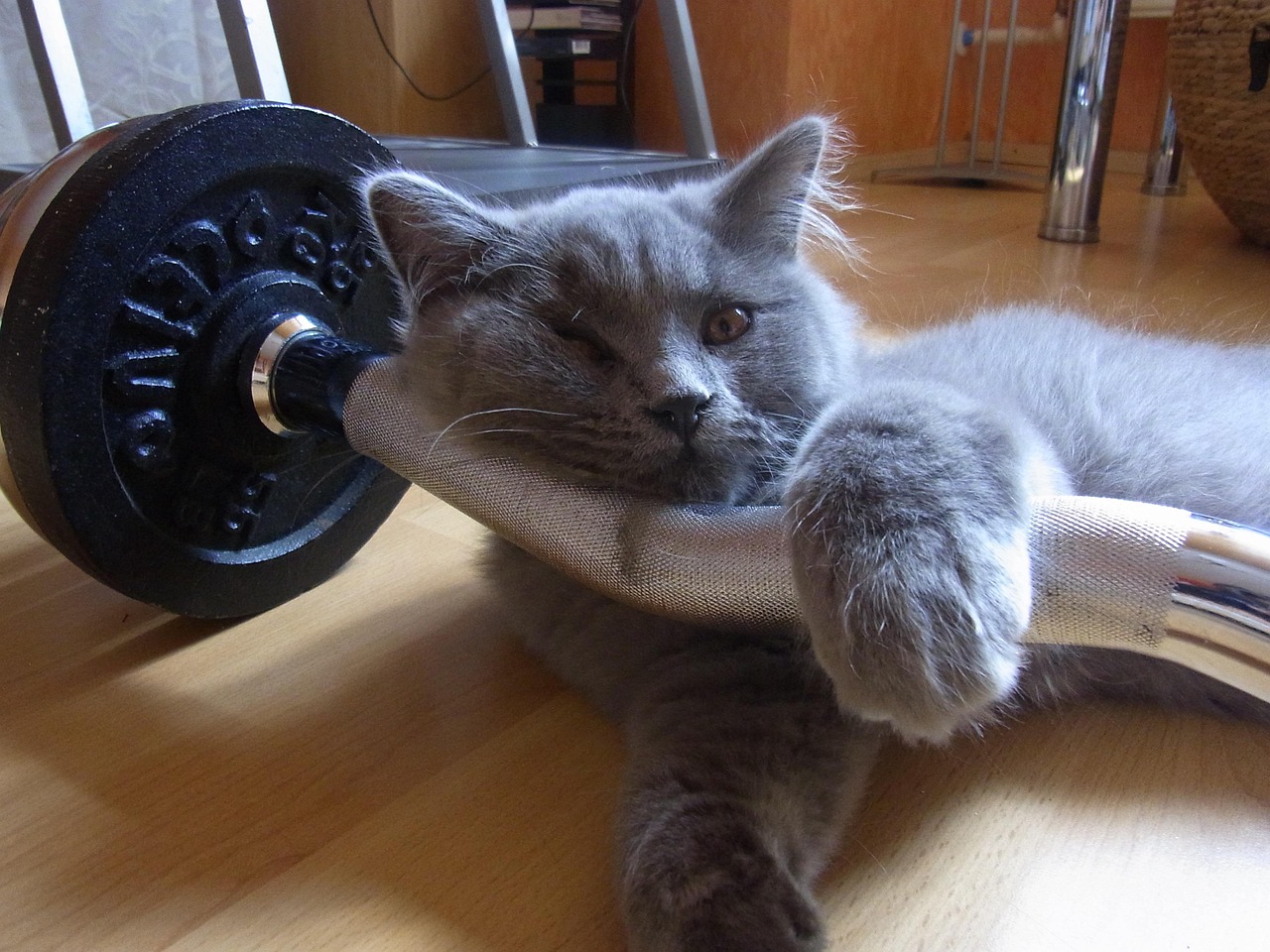

Tips for Accelerating Your Cat’s Training Process
Understanding the training timeline for your feline friend is crucial for effective communication and bonding. Every cat is unique, and factors such as age, breed, and previous experiences can influence how quickly they learn new skills. Establishing a consistent routine helps your cat understand what is expected of them during training sessions. Incorporate short, engaging sessions that last around 10 to 15 minutes to maintain focus. Use positive reinforcement techniques such as treats and praise, which encourage desired behaviors and strengthen your cat’s motivation. Keep training sessions frequent, especially during the initial learning phase. By incorporating playtime and exploring your cat’s natural instincts into training, you create a fun and rewarding atmosphere. Additionally, be patient and understanding, as it may take several attempts for your cat to grasp a new concept. Recognize that each cat may have its own pace, and celebrating small successes can foster confidence and encourage further learning. This balanced approach enhances your cat’s training experience, speeds up skill acquisition, and strengthens your bond, making every lesson enjoyable for both of you.
Establishing a Training Routine
Creating and maintaining a structured training routine is vital for your cat’s learning process. Designate specific times each day for training sessions, allowing your cat to anticipate these interactions. Consistency in timing helps reinforce behaviors, as cats thrive on routine. During these dedicated training sessions, avoid distractions from other pets or loud noises to ensure your cat concentrates fully. Start with simple commands such as “sit” or “come,” gradually progressing to more complex tricks. Utilize visual cues along with verbal commands to enhance comprehension. For example, showing a treat can indicate you want them to perform a desired action. Always reward them promptly after they comply, reinforcing the connection between the command and the action. Keep track of your cat’s progress and adjust the training as necessary, ensuring it remains engaging and effective. Provide plenty of opportunities to practice skills in different environments, as this can help create a more adaptable and confident cat. Remember that patience is key; if your cat struggles, reassess your approach and try again. Ultimately, a well-structured routine can significantly enhance your cat’s learning experience.
The training timeline typically varies among cats, often influenced by individual personality traits. Some cats may learn quickly, while others require more time and patience. Recognizing this distinction can prevent frustration for both you and your feline companion. Keeping a training journal is an effective way to monitor your cat’s progression. Document the methods you used and your cat’s responses to different training techniques. This record can illuminate which strategies resonate best with your cat, allowing you to tailor future sessions accordingly. Gradually introduce new commands or tricks only after your cat has confidently mastered previous ones. This approach ensures that they do not feel overwhelmed and can retain the information learned. Consider using games and activities that stimulate your cat’s mind while reinforcing learned behaviors. Engaging your cat’s curiosity through puzzles can be equally beneficial and fun. Lastly, embrace flexibility throughout the training process, as varying techniques may be necessary. By acknowledging individual learning paces, you can provide a more compassionate training environment for your feline friend.
The Importance of Positive Reinforcement
Positive reinforcement is a powerful tool in cat training, as it encourages desired behaviors while fostering a trusting relationship. This method involves rewarding behaviors you want to encourage, rather than punishing those you wish to discourage. The rewards can range from treats to verbal praise or playtime, depending on what your cat finds most motivating. Aim to reward your cat immediately after they exhibit the desired behavior, as this helps them understand the connection between the action and the reward. Gradually wean off treats, introducing intermittent reinforcement, which keeps your cat engaged while reducing dependence on food rewards. Consider varying the rewards to maintain interest; for example, sometimes use treats, while other times offer affection or play with their favorite toy. Understand your cat’s preferences, as each cat has unique motivators. Be mindful of your cat’s mood; if they’re restless or distracted, it may not be an ideal time for training. In this way, positive reinforcement not only accelerates the training process, but it also enhances your bond by creating positive experiences that your cat will associate with learning.
To further advance your cat’s training, leverage environmental enrichment strategies. Cats are curious creatures, and providing stimuli in their surroundings can enhance learning and motivation. Utilize scratching posts and climbing structures to promote physical activity, which contributes to a healthier mindset during training. When your cat is physically stimulated, their ability to focus improves as well. Rotate toys frequently to prevent boredom, introducing new games that challenge their intellect while keeping training enjoyable. Additionally, consider incorporating clicker training into your routine. A clicker provides a clear and consistent sound to signify the right actions, allowing for precise timing in rewards. This clarity can significantly boost your cat’s understanding and retention of commands. Engage your cat’s natural instincts through activities that mimic hunting behavior, such as hiding treats or toys around the house. This approach not only reinforces training commands but also satisfies their innate desires. Overall, enhancing your cat’s environment creates a more supportive learning atmosphere, facilitating their ability to absorb new information efficiently.
Building Trust During Training
Trust between you and your cat is essential for a productive training experience. Establishing trust encourages your cat to feel more comfortable experimenting with new behaviors without fear of negative consequences. To build this bond, prioritize gentle handling and respectful interactions throughout your training sessions. Start training with basic commands, rewarding them for small successes to boost confidence. Ensure that your training style aligns with your cat’s personality; if they’re shy, be patient and give them time to adjust to each command before progressing. Understanding your cat’s body language is equally crucial; signs of stress or discomfort should indicate that you need to slow down. Create a safe and calm environment free of distractions, helping your cat feel more secure during training. This approach instills confidence and nurtures a willingness to engage with you. Additionally, avoid using intimidating tones or harsh reprimands. Instead, employ a friendly and encouraging voice to maintain positivity. By fostering trust, you lay the foundation for successful training timelines and a harmonious relationship with your beloved feline.
Consistency in your expectations during training further supports your cat’s learning process. Cats appreciate a clear framework in which they can operate; being consistent strengthens their understanding of commands. When introducing new behaviors, establish clear rules. For example, avoid sending mixed signals by allowing certain behaviors sometimes and disallowing them at others. This inconsistency can create confusion and frustration for your cat, ultimately hindering their learning. Ensure all family members are on the same page regarding training techniques, as conflicting approaches can overwhelm your cat. Utilize visual signals, such as hand gestures or specific phrases, to reinforce verbal commands, enhancing comprehension through multi-sensory learning. Incorporate these visuals consistently, helping your cat connect actions with commands faster. Remember that frequent practice is key to solidifying these learned behaviors. To enhance retention, incorporate short, fun training sessions daily. This consistency in expectations coupled with positive reinforcement fosters an optimal learning environment, ultimately leading to a more skilled and confident cat. Maintaining clear guidelines further paves the way for an enjoyable training journey for both you and your feline friend.
Conclusion and Final Tips
As you embark on your cat training adventure, remember that patience and understanding are paramount. Every cat is different, and their training timelines will vary. Setting realistic expectations while celebrating small victories keeps you motivated and prevents frustration. Utilize multiple forms of enrichment, ensuring that training does not become monotonous. Introduce variety in activities and commands, catering to your cat’s unique preferences. This not only makes training enjoyable but also enhances their eagerness to participate. Explore various resources, including training guides or local classes, to deepen your understanding of effective techniques. Engaging with other cat owners can provide insights and support throughout your journey. Don’t hesitate to adapt your methods based on your cat’s reactions and preferences; this flexibility can lead to better results. Lastly, always remember the ultimate goal: fostering a loving and trusting relationship with your cat. As you consistently practice and enrich your environment, you’ll ultimately accelerate your cat’s training process, leading to a happier, healthier feline companion. Cherish each step of the journey, knowing that building a strong bond through training will bring immense joy for both of you.