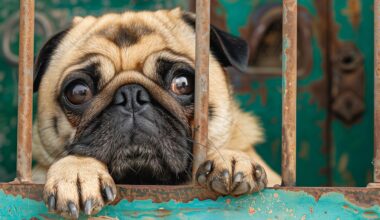

The Psychology Behind Play Aggression in Dogs
Understanding play aggression in dogs is crucial for pet owners and trainers alike. While dogs are often seen as loving companions, their play behavior can sometimes morph into aggression, causing concern for owners. This phenomenon is generally not a sign of undue aggression but rather an instinctive behavior. Canines engage in roughhousing, grabbing, and chasing during play, which is essential for their socialization and development. Owners should recognize that such behavior is usually natural and acceptable, provided it does not cross into true aggression. Play aggression can serve various beneficial functions. It teaches dogs important social skills and assists in physical development, as well as bonding with other animals and humans. Notably, puppies often learn their limits through these interactions. Therefore, understanding the underlying motives for play aggression can aid in managing your dog’s behavior. Recognizing playful interactions and differentiating them from aggression can be effective. Providing supervised play sessions with other dogs may enhance social skills and reduce misunderstandings. Observing how your dog plays helps in identifying healthy boundaries and enabling enjoyable interactions without fear of aggression.
To further comprehend the nature of play aggression, it’s essential to examine its characteristics closely. Typically, playful aggression is marked by loose body posture and playful vocalizations. Dogs may exhibit rapid movements, rough play, and pauses, often referred to as ‘play bows.’ This bowing invites other dogs to engage in mutual play without escalating the interaction into aggression. However, it is vital to identify when the play becomes too aggressive. Signs of excessive aggression often include stiff body language, lowered ears, or growling. Owners must remain vigilant and intervene when necessary to separate dogs engaged in overly aggressive play. Educating yourself on different play styles can also be beneficial in understanding your dog’s interactions. You may observe preferred play styles, which may range from chasing to wrestling. Understanding these styles facilitates better training and socialization opportunities for dogs, minimizing any potential aggression issues. As they revel in play, they learn how to communicate effectively with both humans and other dogs. Enhancing this communication requires intentional monitoring from owners, who need to set limits and reinforce boundaries during playtime.
Factors Influencing Play Aggression
Several factors can influence the levels of play aggression in dogs. Age is often a significant determinant. Puppies tend to display more playful behaviors than older dogs, whose play may become more subdued with age. This decrease in playful behaviors can stem from past experiences and energy levels. The environment where the play occurs also plays a major role in shaping aggression levels. Dogs may exhibit more aggressive behavior in unfamiliar environments or with unfamiliar dogs. Owners should consider the presence of distractions, which can heighten stress and lead to aggressive actions. Playmates, too, affect your dog’s style and energy during play. Dogs with calm temperaments often nurture more focused and gentler play styles, while high-energy companions tend to elevate the intensity. Observing your dog’s behavior in social settings can provide you insights about their triggers and preferences. Moreover, the interactions and experiences during the critical socialization period for puppies greatly influence their future social behaviors. Early socialization and positive experiences can foster confidence in playful interactions, making it less likely to experience aggression during play as they grow.
Additionally, genetic factors can influence how a dog behaves during play. Various breeds exhibit different play styles, and some may naturally display tendencies toward more aggressive behavior. Understanding your dog’s breed traits can help contextualize their behavior during play. For instance, herding breeds often demonstrate higher levels of excitement and drive, leading to intense play sessions. Knowing these traits assists owners in managing their pets’ play appropriately. Training also heavily influences a dog’s aggression levels. Ongoing socialization and training are imperative for developing good canine behavior. Implementing positive reinforcement and encouraging self-control during play help diminish aggressive tendencies. Furthermore, training helps pets understand appropriate boundaries during interactions. For instance, teaching commands such as ‘leave it’ or ‘settle’ can lead to a more organized play atmosphere, reducing misunderstandings between playmates. Regular training sessions are an excellent way to engage with your dog and reinforce desired behaviors. Constant engagement allows owners to redirect aggressive behaviors to acceptable outlets, stimulating not only mental but also physical satisfaction. Ultimately, fostering a well-adjusted dog requires understanding both genetics and early training.
Recognizing Play Aggression vs. Real Aggression
Being able to recognize the distinction between play aggression and actual aggression is critical for dog owners. Play aggression primarily involves social interaction and rarely results in injury. It is non-threatening in nature and typically involves playful barks and friendly body movements. Conversely, true aggression manifests through behaviors such as growling or biting, primarily aimed at asserting dominance or fear-based responses. Recognizing these differences helps owners effectively manage their dogs. When dogs are in a playful mode, their voices may rise in pitch, and their body language remains relaxed. However, as tensions mount, this playful demeanor can shift, leading to misunderstandings. Owners must watch for subtle shifts indicating play is becoming too rough. An escalating chase could quickly turn into a negative encounter if not monitored properly. Establishing cues indicating when to pause playtime is crucial for safety. Owners should also ensure that their dogs learn the ‘off’ command for immediate cessation of rough play that might lead to real aggression. Being observant and practicing intervention techniques can ensure enjoyable play while preventing negative encounters between dogs.
Creating a play-friendly environment is essential to minimizing instances of play aggression. Owners should seek safe spaces where dogs can interact and develop social skills freely. Designating zones for rough play while ensuring the surroundings remain calm and familiar can create a more enjoyable experience for everyone involved. Additionally, actively engaging with your dog during playtime helps them respond better to your cues and commands. Incorporating toys into their playtime offers an excellent way to channel energy positively. Toys also act as a tool to redirect unwanted aggression while ensuring dogs remain entertained during social sessions. It’s even vital to change up play styles periodically to avoid boredom and high-energy levels. Consider incorporating interactive games or training exercises that stimulate both your dog’s mind and body. Regular breaks from play should be implemented to help your dog recharge. Familiarizing your dog with various canine playmates can also minimize aggressive tendencies. This exposure assists in their overall development and social skills, boosting confidence and diminishing anxiety during dog interactions. Customizing your approach to play can lead to productive and enjoyable experiences.
In Conclusion
Play aggression in dogs can be managed effectively with understanding and observation. Recognizing the difference between playful interactions and excessive aggression is key to promoting positive behaviors in dogs. By considering genetic traits, training, and socialization, owners can significantly influence their dogs’ approach toward play. Developing a comprehensive understanding of your dog’s temperament and tastes allows careful management of interactive play. Owners who maintain a watchful eye can identify early signs signaling when to intervene. Providing diverse playing environments helps dogs grow more accustomed to various interactions and reduces chances of aggression. Furthermore, regular engagement with your dog through play and training reinforces good behaviors. By nurturing open lines of communication and establishing boundaries, you empower your dog to engage confidently during play. Most importantly, dog owners must be patient and consistent in their reactions to play aggression. Doing so will ensure a loving, happy, and well-adjusted companion. Ultimately, understanding play aggression helps build stronger bonds between dogs and their owners while fostering positive experiences during their time together.
This exploration of play aggression in dogs showcases the importance of knowledgeable intervention for effective pet management. Recognizing and understanding behaviors empowers owners while enhancing their dogs’ social skills in play contexts. Investing time in training and socialization equips dogs to navigate their world without fear. Through dedicated practice, consistent monitoring, and nurturing guidance, owners can achieve joyful and productive playtimes. Your role as a caretaker should encompass facilitation and engagement, ensuring your dog develops into a well-rounded member of your family. Exploring canine communications unveils complex emotional lives, ultimately revealing that each interaction is a critical opportunity for canine development. Educating oneself about play aggression allows pet owners to cultivate healthier pet relationships while creating an enjoyable atmosphere for interaction. In conclusion, the psychology behind play aggression in dogs is a fascinating subject that requires ongoing dedication and learning. Each dog is different, and fostering positive traits takes time and commitment to training. Therefore, staying informed about behaviors, managing their interactions, and supporting their growth becomes vital for creating lasting bonds. With careful consideration, love, and patience, you’ll nurture your dog into an engaged and thriving partner in life.