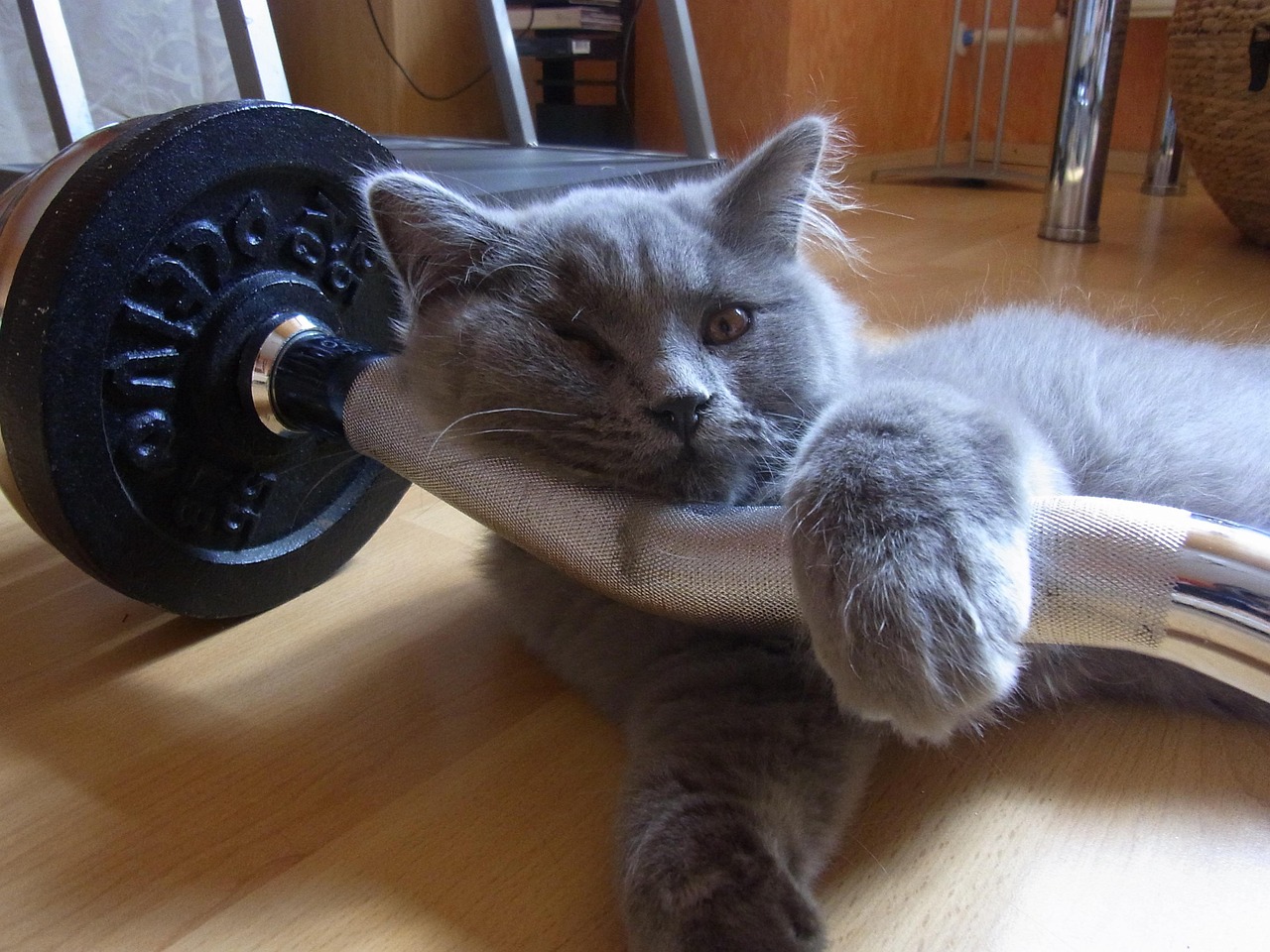

How to Train Your Cat to Jump Between Shelves Safely
Training your cat to use cat shelves effectively requires patience and consistency. The first step is to create an inviting space where your cat feels comfortable and secure. Make sure the shelves are installed at various heights, with enough space between them for your cat to jump safely. Cats are natural jumpers, so keeping their instincts in mind is vital. Pay attention to the placement of the shelves; they should be located in areas that your cat often frequents. You may want to use soft cushions on the shelves to provide extra comfort while they jump. Additionally, consider showcasing their favorite toys on the shelves to encourage them to explore and use them. Positive reinforcement is essential during the training process. When your cat successfully jumps from one shelf to another, reward them with treats or affection. This will reinforce their confident behavior and encourage them to continue using the shelves. Remember to be patient, as every cat learns at its own pace. Striking a balance between fun and effective training will help your cat become skilled at using cat shelves safely.
It’s important to note the safety aspects of training your cat to jump between shelves. Properly securing the shelves is essential to ensure they can withstand your cat’s jumps. Consider installing brackets that can support a significant weight. Additionally, check the stability of the shelves regularly, ensuring that they do not wobble when your cat interacts with them. The material of the shelves should also be suitable and safe — avoid using materials that could splinter or cause injury. Creating a safe environment for your cat is paramount when training them to jump between shelves safely. You might want to use carpet or non-slip materials on the shelves to avoid slipping when your cat lands. Moreover, observe your cat closely while they are navigating their new space to identify any potential hazards. If you notice them struggling with the jump, make adjustments to the height of the shelves. Gradually increasing the challenge while maintaining safety will help build your cat’s confidence. Once they master the art of jumping between shelves, they will enjoy the experience much more.
Encouraging Exploration
Encouraging your cat’s exploration of their cat shelves means providing plenty of motivation. As mentioned previously, use their favorite toys strategically placed on the shelves, creating a treasure hunt of sorts. Cats are naturally curious and playful, so activating this curiosity is highly effective. Experiment with placing treats or food puzzles on the shelves, allowing your cat to engage their problem-solving skills. This is not only a way to train them to jump but also provides mental stimulation that is beneficial for their well-being. You may find that your cat loves to play with feather toys or laser pointers that lead them to leap from one shelf to another. Incorporate interactive play sessions, allowing them to chase or jump towards you while you hold a toy. This not only builds a bond but also enhances their confidence and skills while navigating their shelves. Each small jump or successful exploration should be celebrated with praise or treats to reinforce the behavior. Regular interaction will keep your cat excited about their shelves and motivated to continue using them.
Consider the height of the shelves when planning your training methods. Beginning with lower shelves can help your cat gain confidence before attempting higher jumps. Cats thrive on routine, so sticking to a consistent training schedule will yield the best outcomes. Designate specific times of the day for training so that your cat becomes accustomed to the routine. Keeping training sessions short — around 10 to 15 minutes — can help hold your cat’s attention without overwhelming them. Gradually working your way up to higher shelves as your cat advances is an effective strategy. During training, it’s vital to maintain a calm and encouraging demeanor. Cats are sensitive to their owner’s emotions, and stress can negatively impact their learning process. Creating a stress-free environment will facilitate your cat’s growth in jumping skills. Remember, patience is key, and some cats may take longer than others to adapt. Every cat is unique in personality and confidence level. Therefore, be prepared for this and tailor your training methods accordingly to suit your cat’s needs.
Maintaining Safe Jumping Techniques
Another aspect of training your cat involves teaching them safe jumping techniques. Cats have unique jumping abilities, but they still require guidance to prevent accidents. Monitoring their movements and paying attention to how they land is crucial. Ensure your cat learns to land on all fours, which is their natural instinct. This skill will reduce the risk of injuries during their jumps. If your cat is consistent in how they jump and land, they will gain confidence, reducing anxiety about using the shelves. Showing your cat safe jumping slots through vertical climbing will facilitate their understanding of the space. Positive reinforcement comes into play again here; reward them for maintaining a stable landing. Gradually introduce obstacles on the shelves to challenge their body coordination and agility. This will exercise their muscles and ensure they learn to navigate the shelves efficiently. Additionally, always keeping the landing areas clear of any clutter will help prevent mishaps. Respect your cat’s instincts; as they become more agile and secure, you will notice their skills improving.
Another important consideration is ensuring your cat’s health while they are jumping around. Regular veterinary check-ups will ensure that your cat is in good health and physically able to handle the exercise involved in jumping. Some cats may face mobility issues or health problems that you should take into account when designing their training regimen. Observing your cat’s physical abilities will guide you in making adjustments to shelf heights, materials, and training methods. If your cat seems hesitant or reluctant to jump, consult with your veterinarian to rule out any potential health problems. Stair steps or ramps can be integrated into the setup if your cat requires surfaces that are lower or easier to navigate. Ensuring your cat has adequate exercise through playtime off the shelves will complement their jumping training. Walks on a leash or interactive toys can engage them in physical activities that promote their fitness. Overall, maintaining a balance between challenging activities and safety will help your cat flourish in their training.
Celebrating Progress
Finally, regularly celebrating your cat’s progress will foster a positive training atmosphere. Acknowledge small victories and improvements in their jumping skills, reinforcing how proud you are of them. This can be as simple as gentle praise or treating them when they accomplish a jump or explore a shelf. Keep a record of their progress, noting when they achieve a higher jump or navigate difficult routes between shelves. Sharing updates with family or on social media can also enhance the excitement of your cat’s accomplishments. Building a cat-friendly space that encourages exploration and skill development can create lasting enjoyment for both you and your feline friend. Furthermore, continually adapting their training regimen to suit their evolving needs makes the journey more rewarding. Above all, the goal is to support your cat’s natural instincts and build a strong bond. Training your cat to jump between shelves safely requires patience, commitment, and love. Remember that every effort counts, and the more effort you invest, the more enjoyable the experience will be for both of you. Ultimately, the joy your cat brings through their exploration will be worth every minute spent.
This wraps up our guide on training your cat to jump between shelves safely. Following these steps will not only help your cat improve but will also strengthen your bond. Enjoy the journey!