
Teaching Your Dog the Difference Between Acceptable and Unacceptable Chewing
Understanding the reasons behind inappropriate chewing is crucial for dog owners. Dogs often chew on items they find appealing, which usually includes furniture, shoes, and household items. Boredom, anxiety, or a natural desire to explore can lead to such behavior. It’s essential to realize that chewing is a natural instinct for dogs; however, owners should guide them toward appropriate items. To prevent unwanted chewing, ensure your dog receives enough physical and mental stimulation during the day, such as walks and playtime. Additionally, providing various toys and chewing alternatives can keep them engaged and satisfied. When a dog engages in negative chewing, it’s vital to redirect them gently to a suitable item such as a chew toy. This method helps the dog recognize acceptable items while also creating a positive association with the appropriate chewing behavior. Always remember to supervise your dog closely during playtime, especially with new items introduced into their environment. With consistency and patience, your dog can learn to distinguish between acceptable and unacceptable chewing preferences, ultimately enhancing their behavior and making life easier for both of you.
Next, it’s important to establish a routine that reinforces acceptable chewing habits. Dogs thrive on consistency, and implementing a structured schedule can aid in reducing unwanted behaviors. During this time, all members of the household should understand the rules surrounding chewing. Consider establishing a specific time for play and chew items, rewarding your dog when they choose the correct items to chew. Using positive reinforcement is key; when your dog opts for their chew toy over your favorite shoe, offer them praise and treats. This reinforces the desired behavior and discourages them from chewing on inappropriate items in the future. When you catch your dog chewing an item they shouldn’t, respond calmly and redirect them to an appropriate toy. Never resort to punishment, as this can create anxiety and confusion regarding their chewing habits. In addition to toys, consider providing puzzle feeders or interactive toys that require chewing and manipulation. These engaging alternatives not only entertain but also stimulate your dog’s mind, making them less likely to resort to undesirable chewing. With time and positive reinforcement, your dog will learn what is acceptable and what is not, creating a harmonious living environment.
The Role of Toys in Chewing Behavior
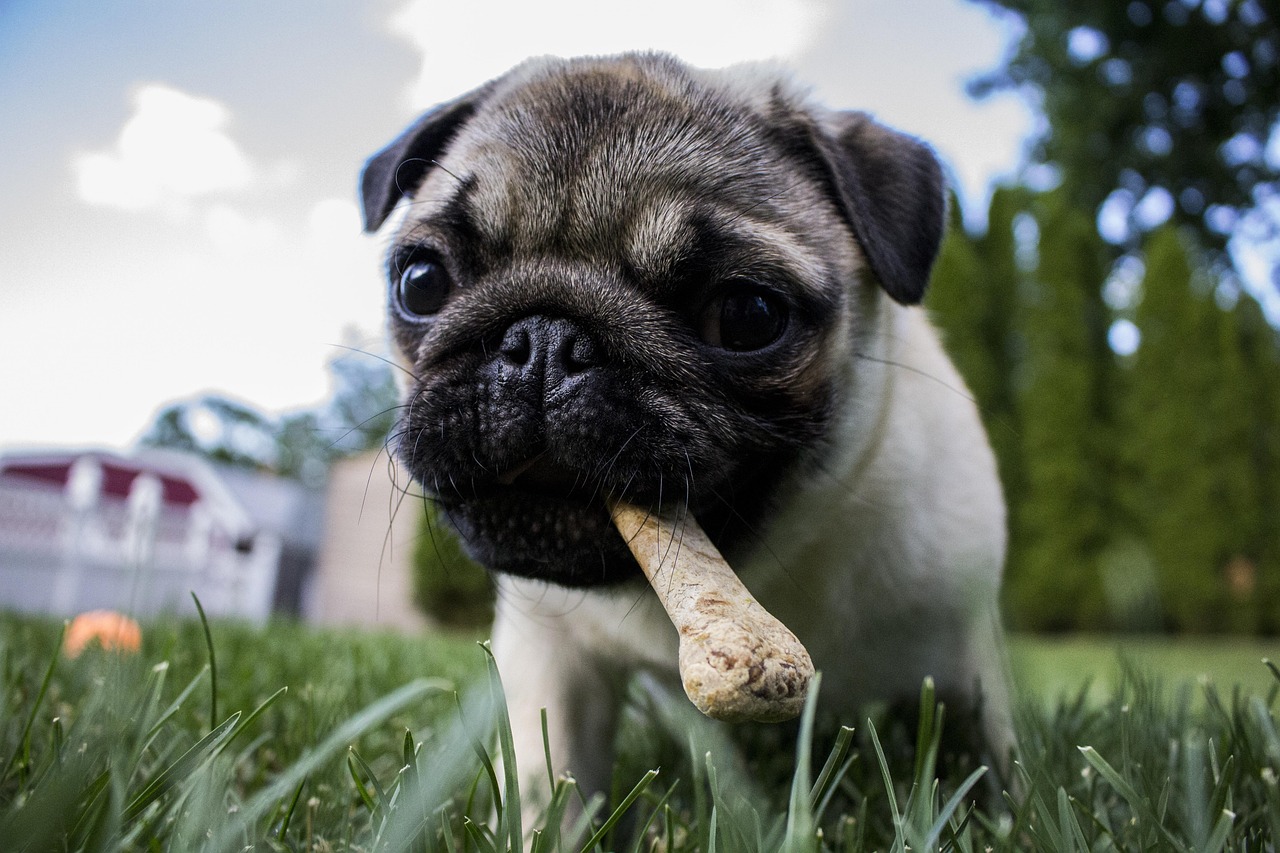
Choosing the right toys for your dog plays a significant role in managing their chewing behavior. Dogs have different preferences when it comes to chew toys, so observing their reactions can guide you in selecting the best ones. Durable rubber toys, dental chews, or plush items are popular options that typically appeal to dogs. Ensure that the toys you select are safe and appropriate for your dog’s size to prevent choking hazards. Rotate toys regularly to maintain your dog’s interest and engagement; consider introducing new toys occasionally while removing less interesting ones. This variety can keep your dog entertained and less likely to resort to household items for chewing. Additionally, engage with your dog while they chew—this will strengthen your bond and help them understand that chewing can be a shared, positive experience. Supervised playtime is crucial, particularly with new or fragile toys, as canines sometimes become overly excited. If your dog becomes destructive with certain toys, it may be a sign that they need a more durable option. Always select toys that withstand your dog’s chew strength to maintain a safe play environment and promote healthy chewing habits.
As your dog learns more about acceptable chewing, continue reinforcing these behaviors with consistency. Establish a clear set of rules around chewing, ensuring that everyone in your household follows them. Keep chew toys in specific areas around the house so your dog can easily access them. This will minimize the temptation to chew on inappropriate items such as furniture or shoes. Patience is key; teaching your dog the appropriate items for chewing may take time, but persistence pays off. Observe the ways your dog explores their environment and provide them with toys that mimic the textures they seem to enjoy. For instance, if your dog likes to chew on soft items, provide plush toys or rubber items with similar textures. For those with a strong desire to chew hard objects, consider dental chews that promote oral health. Furthermore, ensure your dog receives daily exercise, as increased activity can help channel their energy into more constructive avenues. A tired dog is often a well-behaved dog; thus, regular exercise plays a vital role in managing unwanted chewing.
Understanding Anxiety-Related Chewing
For some dogs, inappropriate chewing can stem from anxiety, which requires specific strategies to address. Separation anxiety is common among pets that are excessively attached to their owners. Dogs may chew destructively when left alone or when they feel stressed. In such cases, gradually increasing the time your dog spends alone can help them become more comfortable with your absence. Leave engaging toys or puzzle feeders for your dog when you are gone; this can distract them and redirect their energy positively. Despite the helplessness you may feel during chewing episodes, avoid punishment, as this may amplify anxiety. Instead, practice positive reinforcement when your dog displays calm behavior. Over time, this can reduce their anxious tendencies and their inclination to chew on the wrong items. Consult a veterinarian for recommendations or a training professional specializing in behavioral issues if the chewing continues or worsens. They can provide tailored strategies that address both the unwanted chewing and anxiety simultaneously. Resolving underlying anxiety leads to long-term improvements in chewing behavior, creating a happier and healthier companion for your household.
In addition to managing anxiety, it’s essential to teach your dog the command “leave it” as it relates to inappropriate chewing. This command can help your dog learn impulse control and develop better understanding of undesirable items. Start training by holding a treat in your hand and allowing your dog to sniff it without giving access right away. When your dog attempts to take the treat, close your hand and say “leave it” calmly. It may take a few attempts, but eventually, your dog will respond to the command, earning praise or a different treat as a reward. Once they understand the basics, use the command more broadly when they attempt to chew on non-appropriate items. Always reward them when they redirect themselves to a chew toy instead. Practicing this consistently teaches your dog obedience and enhances their ability to recognize which items are off-limits. Using this technique alongside the management of anxiety can lead to significant improvements in chewing behavior, transforming unwanted habits into acceptable chew practices and promoting overall well-being for your dog.
Conclusion
Addressing inappropriate chewing matters requires time, persistence, and understanding of your dog’s behavior. By identifying the reasons behind chewing tendencies, dog owners can implement strategies to guide and facilitate better chewing habits. The establishment of a routine, an effective choice of toys, and positive reinforcement frameworks play crucial roles in this process. Moreover, consider any underlying issues, such as anxiety, that may exacerbate chewing behaviors, providing necessary support. Teaching commands like “leave it” will further enhance your dog’s ability to discern acceptable items. Consistently applying these techniques and principles will lead to a well-adjusted, happy dog. Remember, patience is essential when working to correct the chewing behavior. With time, love, and positive engagement, your dog will learn to make the right choices regarding what to chew on. This will create a peaceful living environment while fulfilling your dog’s natural chewing instincts. Over time, as your dog learns and develops, it can strengthen the bond between you and your furry companion, enhancing their quality of life, as well as your own. Ultimately, the goal is a happy dog and a harmonious household.
Consider seeking professional help when concerns about your dog’s chewing behavior arise firsthand. A dog trainer or animal behaviorist can provide you with guided strategies, ensuring you are on track to creating a well-behaved pet. With an expert’s perspective and guidance, owners can receive tailored recommendations based on their dog’s unique personality and quirks. This collaborative approach ensures that both dog and owner can work toward improving the situation, leading to lasting positive change. Involving friends or family members in the training process can also ensure that everyone is on the same page regarding acceptable chewing practices. Having a support system while embarking on your training journey can lead to better outcomes. Furthermore, don’t forget that each dog is different concerning its preferences and tendencies, and sway on varying chewing habits will occur, which is completely normal. Flexibility is essential in the learning process as pets grow and adapt to their environment. Be open to trying new methods and strategies to find what truly works for your dog while fostering a better understanding of their chewing habits. Enduring love, patience, and a commitment to growth and learning will lead you to a successful training experience.