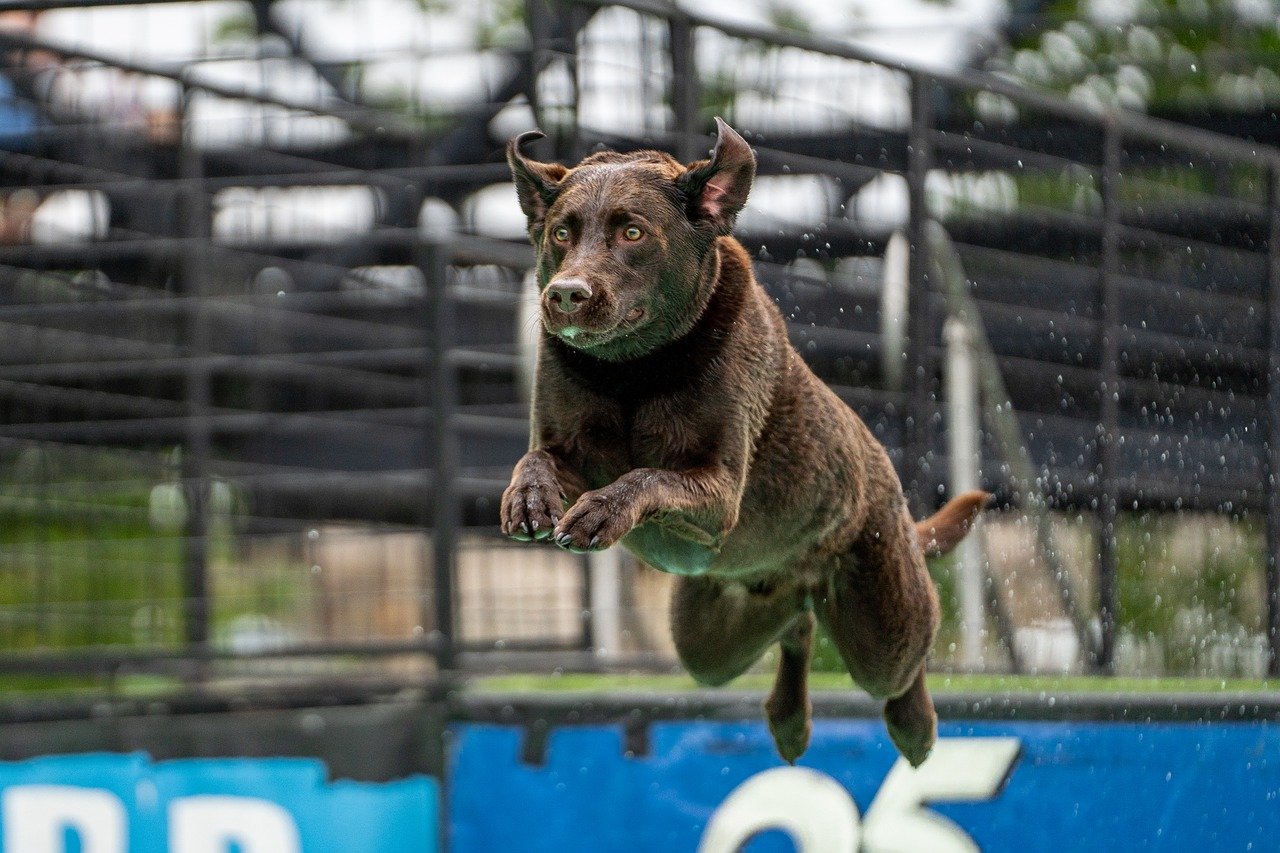

Understanding the Rules and Regulations of Popular Dog Competitions
Dog competitions are exciting venues to showcase canine skills. They allow dogs, handlers, and owners to participate in activities that enhance their bond. Understanding the rules is essential for maximizing success and enjoyment. Different competitions exist, including obedience trials, agility contests, and herding events. Each sport has distinct regulations informing judges’ assessments. For instance, the goals in obedience variously emphasize off-leash work or distance versus distractions. Competitors must adhere to specific formats, score sheets, and codes of conduct. Failure to comply can lead to disqualification. Additionally, handlers should familiarize themselves with pre-competition evaluations, vaccinations, and entry fees. Sportsmanship is vital and encompasses respectful behavior during trials. Dogs performing rudimentary commands, such as sit or stay, highlight the interaction between skill and training. Competitors must also ensure their pets are fit for the competition, as health is paramount. Preparing a dog includes not just physical training but also mental conditioning. Keeping this in mind ensures a happy participant. Therefore, handlers should approach these events comprehensively, ensuring their dogs are capable and well-prepared.
Types of Dog Competitions
The world of dog sports is vast, featuring an array of competitions tailored to various breeds and abilities. Dog agility, obedience trials, and lure coursing are among the most popular formats. Each sport comes with its own set of rules, often overseen by different organizations. For agility events, dogs must navigate obstacles, showcasing speed and accuracy. Meanwhile, obedience trials focus on a dog’s ability to follow commands without distractions. In lure coursing, dogs chase a mechanically-operated lure over a set course, emphasizing their natural hunting instincts. Further adding to the complexity, many competitions involve specific qualifications for entries, necessitating that dogs meet age or performance standards. Competitors must often pass preliminary trials to enter more prestigious events. Understanding these distinctions is crucial for success in any competition. Handlers should regularly review the guidelines specific to the events they intend to enter. By doing so, they can prepare effectively, ensuring their training aligns with competition expectations. Knowledge of the distinct guidelines contributes positively to both the handler and dog experience, fostering a fun, engaging atmosphere during competitions.
Training for dog competitions involves structured techniques and a schedule tailored to the specific sport. Consistent practice is crucial for developing the necessary skills. Owners must devote ample time to helping their pets master commands, agility tasks, and other essential skills. Additionally, positive reinforcement techniques often yield the best results during training. Not only do they facilitate learning, but they also strengthen the bond between dog and handler. Engaging in training sessions should focus on both physical activity and mental stimulation. Varying exercises helps attract the dog’s attention and aids in retaining focus. This engagement is vital, particularly for high-energy breeds. In addition, attending classes led by professional trainers can enhance what a handler learns independently. These trainers offer invaluable insights into the nuances of specific sports. Furthermore, reviewing videos of past competitions provides visual understanding of expectations and skill application. Handlers should take note of what can improve their dog’s performance. Through diligent practice, handled with care and stress reduction tactics, dogs can thrive in competitive environments. Owners should remain patient, as consistency is the key to achieving desired results.
Judging Criteria in Competitions
Each dog sport has strict judging criteria, aimed at ensuring fair assessment across competitors. The scoring system typically emphasizes distinct performance aspects, including precision, speed, obedience, and demeanor. In obedience trials, judges evaluate how well dogs respond to commands throughout various exercises. Agility competitions rank performers based on the accuracy of completing obstacle courses and the time taken. Performance can also hinge on composure under pressure, showcasing the dog’s temperament while engaged in the competition. Additionally, handlers should anticipate that judges may focus on the dog-handler relationship during evaluations. Positive teamwork plays a significant role in the overall performance of both the dog and the handler. Notably, biases should remain low, ensuring consistency and fairness across the board. Judges are trained to base their evaluations solely on performance metrics outlined in regulations. Competitors must understand these criteria to improve their strategies accordingly. Clarifying their interpretations can also help guide training practices. By doing so, dog owners can customize their methods, ultimately enhancing their pets’ capabilities in real competition scenarios. This understanding brings clarity to the experience for everyone involved in the competition.
Competitors should familiarize themselves with event logistics to ensure smooth participation in competitions. These logistics encompass understanding registration deadlines, event schedules, and venue layouts. Each competition venue may vary in layout, meaning identifying the main areas, warm-up zones, and judging positions is vital. Arriving early can help competitors manage these logistics. Also, handlers must be aware of set times for each event, particularly when competing in multiple classes. Conflicts can arise if events overlap, making scheduling imperative. Additionally, reviewing local rules is essential, as they may differ from national regulations. For instance, leash rules, dress codes, and allowable equipment can vary by region. Handlers should also keep suitable materials handy, including water bowls and first-aid supplies, to support their dogs’ well-being. Being attentive to these circumstances can help the day go smoothly. Moreover, if there are special accommodations for first-time participants or newcomers, handlers should take advantage of these resources. Adequate preparation extends beyond training, necessitating mindful organization on the day of the event. This proactive approach contributes immensely to a positive experience overall.
Safety and Welfare of Competing Dogs
The safety and welfare of dogs in competition are paramount, often governed by strict regulations set forth by governing bodies. Competitors need to commit to a responsibility of ensuring their dogs’ health and comfort. Health checks, including vaccinations and vet visits, are crucial to prepare for participation. Furthermore, dog handlers must monitor their pets closely for signs of fatigue or anxiety during events. Each breed has different tolerances for stress and activity, requiring handlers to adapt their approaches accordingly. Keeping an eye on weather factors, such as heat or cold, remains crucial when planning outdoor events. Hydration and regular breaks can help alleviate stress and exhaustion. Providing consistent positive reinforcement encourages dogs to enjoy participating in these sports. Additionally, handlers must know when to pause a performance for their dog’s safety, even amidst pressure to continue. Understanding the balance between competition and well-being contributes positively to the overall experience. Ethical guides suggest recognizing a dog’s limits and adjusting competition expectations, which upholds the spirit of fair sportsmanship. Competitors who prioritize their dog’s welfare create a more enjoyable, rewarding environment for participants.
Final tips for succeeding in dog competitions focus on preparation, patience, and positivity. Handlers should start training well in advance, dedicating ample time for practice and behavior correction. Achieving a balance between rigorous training and allowing time for rest can contribute immensely toward success and reducing stress for both dogs and handlers. Additionally, each training session should be engaging and fun, fostering a love for the sport. Encouraging exploratory play can enhance motivation levels, especially during high-stress competition days. Furthermore, utilizing ample support from local groups can provide invaluable experiences in training and competition preparation. Engaging with fellow dog owners offers insightful sharing of training tips and rules knowledge. Observing seasoned competitors can also be a strong influence for novice participants in expressing best practices. Lastly, maintaining a positive attitude is essential during competitions, as stress management can directly impact performance. Embracing the journey, no matter the results, makes for a rewarding experience in dog sports. Through dedication, effort, and a focus on enjoyability, competitors can enhance their training endeavors and create great memories in their dog’s sporting journeys.