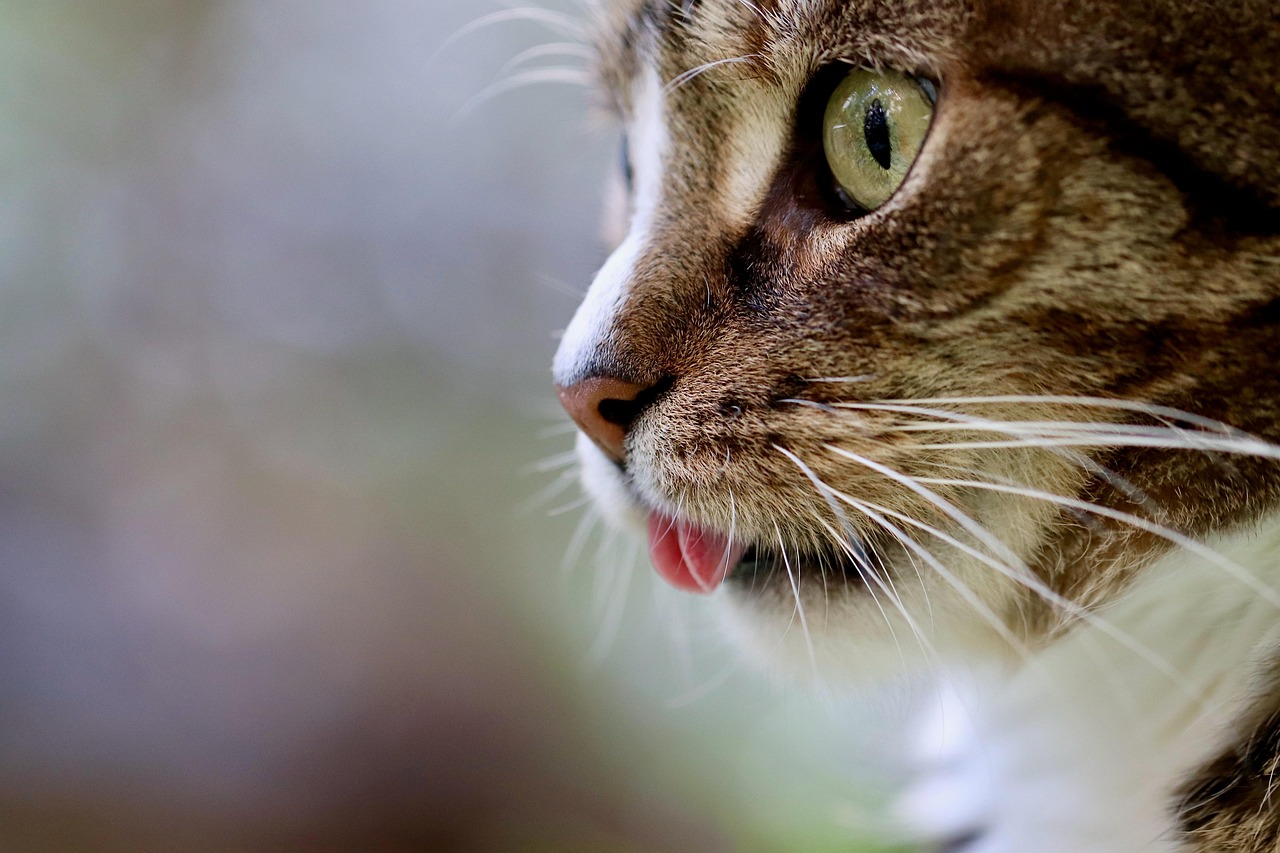

DIY Intestinal Parasite Treatments for Cats: At-Home Strategies
Understanding how to manage intestinal parasites in cats is crucial for their health and wellbeing. Many cat owners seek effective, natural solutions to help alleviate these issues without resorting to commercial medications. There are several at-home strategies that can assist in managing these unwanted guests. Keeping your cat’s environment clean is vital and should be the first step in controlling parasites. Regularly rotating their bedding, cleaning litter boxes daily, and vacuuming frequently can significantly reduce the risk of re-infestation. Feeding your cat a healthy diet is another important element in parasite control. A balanced diet that includes a variety of nutrients helps strengthen their immune system, making them less prone to infections. Consider incorporating natural treatments such as pumpkin seeds, garlic, and coconut oil into your cat’s diet, as these can support parasite removal. However, it’s essential to consult with a veterinarian before introducing any new foods or supplements to ensure they are safe for your cat’s specific health needs. Incorporating these practices can help maintain your cat’s overall health and reduce the likelihood of future infestations.
In addition to maintaining cleanliness and a balanced diet, you can consider using natural herbal remedies to help combat intestinal parasites. Herbs such as wormwood, thyme, and chamomile have been known for their anti-parasitic properties. You can blend these herbs into your cat’s food, but always ensure that you start with small amounts to monitor for any adverse reactions. It’s also important to be aware of the potential for toxicity in some plants, so careful selection is vital. Another excellent method for parasite management is using a combination of probiotics and prebiotics. These supplements help to maintain a healthy gut flora, improving the cat’s digestion and immunity. Always choose high-quality products specifically designed for feline consumption. Regularly administering these supplements can be quite beneficial. Along with dietary changes, routine health checks with your veterinarian are essential. Regular visits can help identify any potential parasite issues before they become serious. This proactive approach allows you to implement appropriate treatments promptly, ensuring your cat remains happy and healthy overall.
Utilizing Home Remedies Gradually
When considering home remedies, start slowly and observe your cat’s reaction. It’s essential to introduce new elements carefully to avoid gastrointestinal distress. For instance, if you decide to add pumpkin seeds to their diet, begin with a small quantity. Gradually increasing the amount can help in determining how well they tolerate it. You may also want to consider preparing a natural paste of garlic mixed with coconut oil for topical application. This mixture not only supports internal cleansing but may also repel external parasites. Always ensure that any garlic used is in moderation, as excessive amounts can be harmful to cats. Regular grooming is another strategy that can help keep parasites at bay. Frequent brushing removes loose fur and potential egg cases, while also allowing you to check for signs of fleas or other external parasites. Bathe your cat occasionally with a mild, cat-safe shampoo. Essential oils, when diluted properly, can also be beneficial, but exercise caution and research extensively to avoid any toxicity. Keeping a holistic approach can make a significant difference in your cat’s health.
It’s critical to monitor your cat’s fecal matter for signs of parasites or worms; this can help you gauge the effectiveness of your treatments. Look for any irregularities in texture, color, or presence of worms. If you notice any abnormalities, document these observations and share them with your veterinarian to adjust treatment strategies effectively. Regular fecal tests may be recommended to ensure your plans are working and to prevent potential complications. Maintaining a routine can be quite valuable, including administering medications like dewormers when necessary. Always follow veterinary guidance regarding the timing and type of treatments. Education is essential for successful parasite management. Familiarize yourself with the symptoms of parasitic infections, which may include weight loss, bloating, vomiting, or lethargy. Recognizing these signs early can lead to more effective at-home treatments and fewer veterinary visits. Furthermore, sharing knowledge with fellow cat owners can foster a community approach to feline health. Discussing what works for your cat might inspire others to try DIY solutions that could enhance their pets’ health and vitality as well.
Implementation of Routine Maintenance
Once you establish a routine of natural treatments and dietary management, other maintenance strategies will enhance the effectiveness of your efforts. It is significant to choose specific times to administer herbal remedies or dietary supplements, ensuring consistency and accountability. Additionally, incorporating parasite control steps into your cat’s grooming routine can streamline the process. For example, while brushing your cat’s coat, observe for signs of discomfort or additional parasites that may have gone unnoticed. On the hygiene front, regularly wash your cat’s toys, sleeping areas, and even dishes. This simple act can prevent the spread of parasites and ensure a cleaner environment. Another consideration is adjusting your cat’s environment where necessary, such as limiting their outdoor exposure during peak parasite seasons. This limit can effectively reduce contact with potentially infected areas such as gardens or parks; these adjustments can minimize the risk of reinfestation significantly. By remaining diligent and proactive, you can create an effective home-based intestinal parasite control plan that offers your cat a healthier, happier life.
While implementing these DIY strategies for intestinal parasite control in cats, it’s equally important to engage with your veterinarian periodically. Building a strong relationship with a professional ensures you have access to up-to-date information regarding parasite prevention and control measures. Your vet can provide insights into any new natural substances that may help combat intestinal parasites. Additionally, they may point out anything specific related to your cat’s breed, age, or health that could influence treatment effectiveness. Staying aware of seasonal parasite outbreaks is also crucial. Some parasites are more prevalent during certain times of the year, prompting changes in your management routines. Furthermore, emergencies might arise where at-home treatments are not sufficient. Knowing when to seek professional help is key, particularly if symptoms worsen or persist despite efforts. Ultimately, combining DIY methods with professional advice creates a comprehensive approach to managing parasite health. Sharing your success or challenges with fellow cat owners can also provide motivation and support for continued efforts in parasite control and overall cat wellness.
Conclusion and Final Thoughts
In conclusion, managing intestinal parasites in cats using at-home strategies allows owners to effectively care for their pets while avoiding chemical treatments. A combination of natural remedies, a balanced diet, routine hygiene, and environmental adjustments can significantly control parasite populations. Always observe your cat’s reaction to new treatments, and do not hesitate to consult a veterinarian when necessary. Education about symptoms and potential treatments provides a supportive framework in your battle against intestinal parasites. Regular veterinary check-ups and fecal examinations help assess the effectiveness of your DIY strategies. Embracing natural remedies, such as pumpkin seeds and suitable herbs, contributes to a holistic approach to feline health. The collaborative effort between owners and professionals ultimately leads to healthier, happier pets. Moreover, building community support by sharing knowledge can enhance the overall health of feline friends. Remember that a consistent routine will not only help control parasites effectively, but also contribute to your cat’s long-term wellbeing. Take action confidently, employing these strategies to keep your beloved cats free from unwanted parasites.