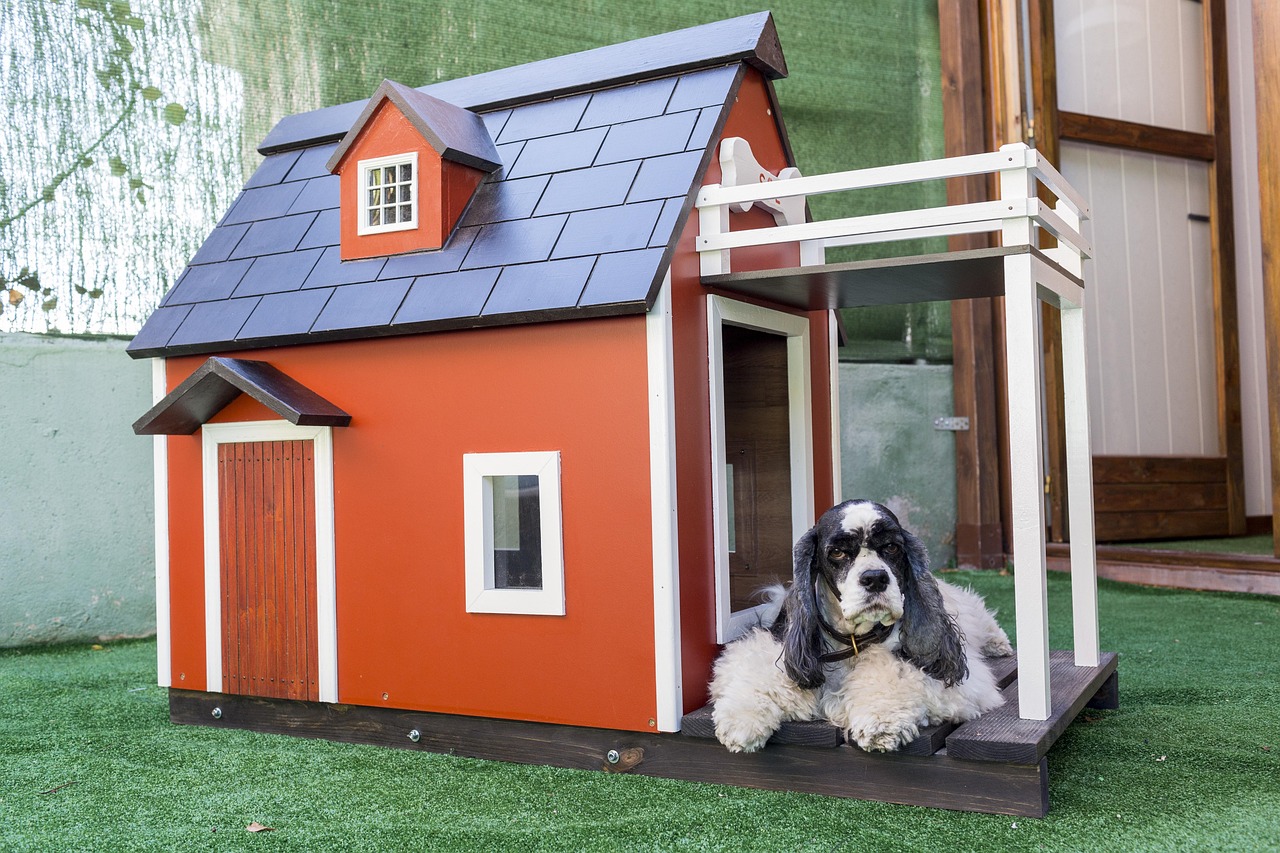

How to Build a Wooden Dog House From Scratch
Building a dog house is a rewarding project that ensures your furry friend has a comfortable and safe place to call home. To begin this endeavor, it’s essential to gather the right tools and materials. Start with appropriate wood, such as cedar or plywood, which are known for their durability and resistance to the elements. Make sure you have a saw, hammer, nails, and waterproof paint or sealant on hand to protect the structure. Consider checking your local hardware store or online platforms like Home Improvement for suitable supplies. Additionally, measure the area where you plan to place the dog house, ensuring enough space for your pet to enter and exit comfortably. You’ll want to design the house with proper ventilation and insulation, making it cozy for both summer and winter climates. Sketch a plan detailing dimensions and features to construct a proper fit for your dog’s size. Remember, the dog’s house should be slightly elevated from the ground to keep moisture away. Using these guidelines, you can create a sturdy shelter that your dog will enjoy for years.
Measuring and Planning Your Dog House
After gathering your materials, it’s time to create a precise plan. Begin by deciding the size of the dog house based on your dog’s breed and size. A small dog may require dimensions around 24 inches wide, while larger breeds might need 36 inches or more. Ensure the height allows the dog to stand comfortably without bending. For the roof, a sloped design is advisable, as it helps prevent water accumulation. With your dimensions in place, sketch a detailed blueprint of how each piece will fit together. First, create a base; this should be sturdy enough to support the entire structure. Using treated wood can be beneficial for resisting rot. Remember to mark each piece clearly, noting which side will face outward. This can save time during assembly. Once your planning stage is complete, it is advisable to organize your workspace, ensuring everything is within reach. A clean and organized area can help avoid mistakes and streamline the building process. Having a solid plan not only enhances construction efficiency but also guarantees your dog will enjoy a well-built home.
To ensure quality in construction, start with the frame once your measurements and plans are finalized. Cut the wood according to your blueprint, paying close attention to each dimension for precision. Begin by constructing the base frame, creating a rectangular shape with your chosen lumber. After assembling the base, use screws instead of nails for added strength. This technique offers better durability against weather changes. Next, attach the vertical frames to support the walls, ensuring each side is equal. Remember to leave space for doors and ventilation openings. Adding a front door requires careful consideration of how your dog will access the house. You can create a hinged door or an archway design, allowing free movement. For better hygiene, make sure the door opening is slightly elevated from the ground. Once the wall frames are set, you can attach the side panels. Using wood glue in conjunction with screws adds an extra layer of strength to the joints. While constructing, keep safety in mind, using protective gear such as gloves and goggles and ensuring power tools are handled with care. Safety is paramount in every step.
Assembling the Walls and Roof
After successfully creating the frame, the next stage involves attaching the walls. Start with the back wall and secure it to the base using considerable screws. Afterward, attach the sidewalls by aligning them accurately. Use a level tool to ensure all walls are straight, as an uneven structure can lead to complications later. When the walls are set up, proceed to the front wall, ensuring the door area aligns perfectly. It’s crucial to check that all angles are correct, as this affects the fit of the roof later. Once the walls are complete, you can cut the plywood or shingles for the roof. A sloped design helps prevent rain from pooling, extending the life of the house. Secure the pieces to the top frames of the walls, ensuring they overlap so water cannot leak in. Weatherproofing is also essential; applying a coating will help. Additionally, you might choose to add insulation between the panels for colder weather. The roof’s overhang can protect the entrance from rain, enhancing the dog’s comfort. Proper assembly ensures your dog house is not only functional but aesthetically pleasing.
Next comes the finishing touches, which play a crucial role in durability and comfort. Start with sanding all surfaces to eliminate sharp edges, ensuring your pet remains safe during use. After sanding, applying a waterproof paint or stain is ideal; this protects your wooden house from the elements. Choose pet-safe products without harmful chemicals, as safety is vital for your dog. Allow the finish to dry completely before introducing your dog to their new home. Adequate ventilation is also important; consider drilling small holes into the walls without compromising the structure. This allows fresh air into the house while maintaining comfort. Another consideration is floor treatment; adding a removable bed or mats is advisable for easy cleaning. Incorporating a tongue-and-groove floor can prevent moisture accumulation, which could lead to rot. Once you’ve applied all finishing touches, create a pleasant environment; consider adding a few toys or a cozy blanket inside their new house. Your attention to detail during this stage will ensure that your furry friend has a safe, welcoming environment to enjoy for years to come.
Maintenance Tips for Your Wooden Dog House
Once you’ve built your wooden dog house, it’s vital to maintain it properly to extend its life. Regular inspections are critical; check for signs of wear, such as peeling paint or rotting wood. Addressing any issues promptly will prevent larger problems over time. After heavy rain, evaluate the structure to ensure that moisture hasn’t seeped in, which can lead to mold. Additionally, keep the area around the house clear of debris to deter pests and improve hygiene. Reapply waterproof coating or paint as needed; this can help create a lasting barrier against the elements. During the colder months, consider using straw or blankets inside for warmth. Ensuring proper insulation can also help keep your pet comfortable. In hotter seasons, check that there’s plenty of ventilation to avoid overheating. Make it a practice to clean the house regularly, removing debris and waste to maintain a healthy environment for your dog. All these efforts contribute significantly to keeping your pet’s space safe, clean, and ultimately, ensuring they feel at home.
By investing time and effort into building a wooden dog house, you provide a nurturing and safe environment for your pet. Not only does this construction serve practical purposes, but it can also be a joyful project for the whole family. Involving kids in the process can teach them valuable skills, such as woodworking and design principles. Sharing your experience can inspire others to undertake similar projects, promoting a sense of community around pet ownership. Remember, the end goal is a comfortable, secure spot for your furry friend amidst the love of family. Social media can be a fantastic platform to share your finished project. Show off photos of the completed dog house and gather feedback, possibly inspiring others to embark on their own building journey. Sharing stories and tips can build a support network among dog owners, fostering connections through shared interests in pet welfare. Embrace the experience, and enjoy each moment spent building this unique home, as it becomes a part of your pet’s life story. Celebrating your achievement with your furry friend will create memories to cherish for years.