
The Role of Ear Cleaning in Dog Grooming
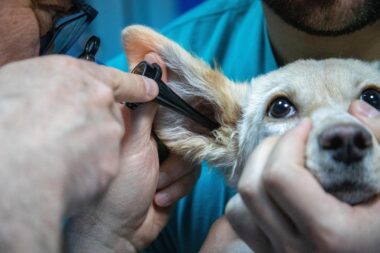
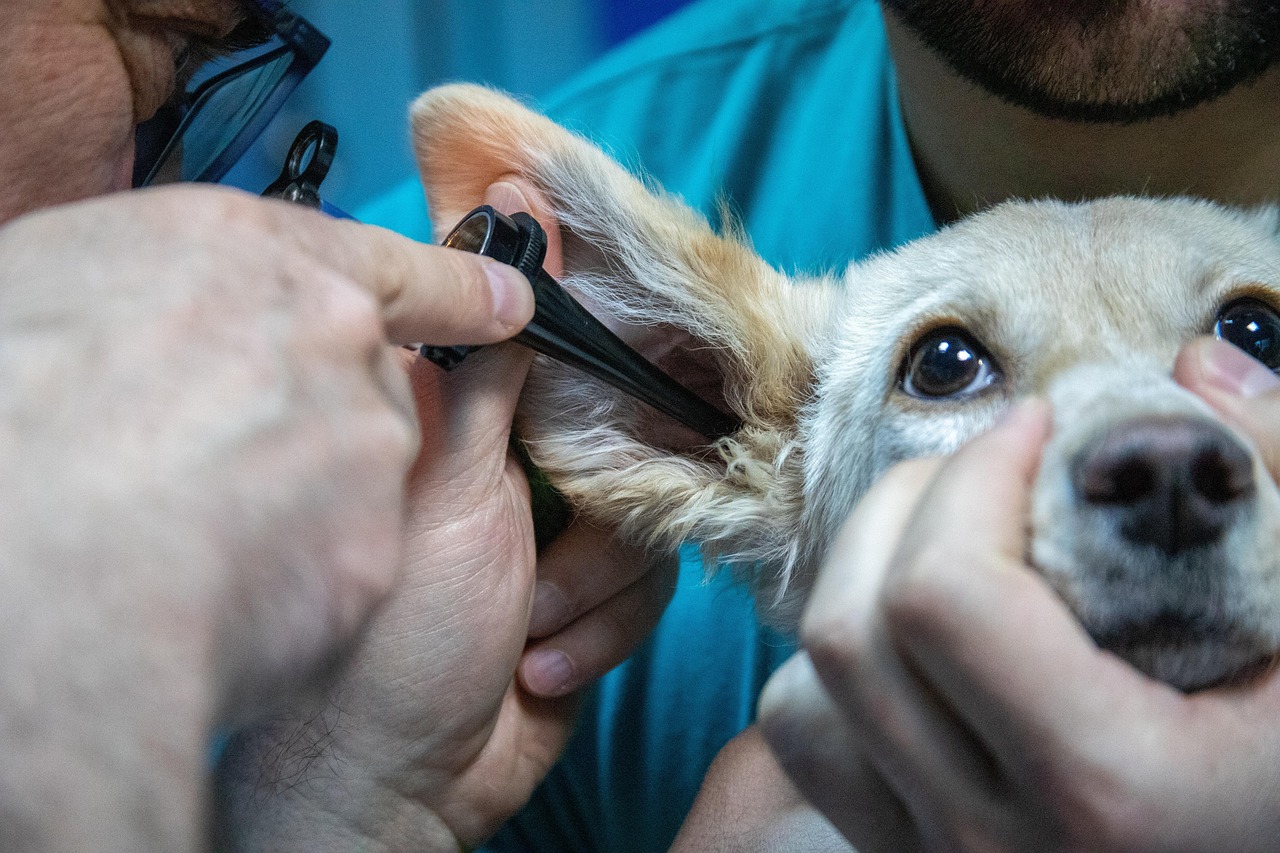
Dog grooming is not just about styling a pup’s fur; it also entails maintaining overall health, including ear cleaning. Regular ear cleaning is crucial as it prevents infections, minimizes wax buildup, and ensures comfort. Dogs are prone to ear problems due to their floppy ears or hairy canals, making routine checks essential. During grooming sessions, trained groomers often examine your dog’s ears, looking for signs of dirt, excess wax, or infection. Effective ear cleaning helps to avoid discomfort that may arise from debris or moisture accumulation. It is important to use vet-approved products that won’t irritate your dog’s sensitive ears. Consider using cotton balls or soft tissues for the actual cleaning process, as these tools can reach areas gently without causing harm. Foster a positive experience for your furry friend by introducing ear cleaning gradually, rewarding them with treats and praises. It is vital to consult with your veterinarian for guidance tailored specifically to your dog’s needs and risk factors. Your dog’s well-being greatly benefits from proper and regular ear hygiene, reflecting how you care for them and contributing to their overall health.
The significance of ear cleaning in dog grooming goes beyond mere aesthetics and comfort. Dogs rely heavily on their sense of hearing, which can be compromised by poor ear care. Dirty or infected ears can lead to significant discomfort and even pain in your pet. Many dogs demonstrate their displeasure through behaviors like scratching, head shaking, or excessive rubbing against surfaces. These signs often indicate an underlying problem that needs addressing through ear cleaning. Regular checks also allow owners to detect early signs of ear infections, which could later require veterinary intervention if left untreated. When grooming, it’s crucial to create a routine that includes ear inspection to catch issues early. There are various techniques for effective ear cleaning, including using cleaning solutions specifically designed for pets or natural options like diluted apple cider vinegar. It is essential to follow instructions cautiously to ensure the safety of your dog. Always monitor your dog’s reaction during cleaning, as discomfort can signal that something is amiss. Prioritizing ear hygiene signals you care about your dog’s overall health and quality of life.
Many dog owners may wonder how frequently they should engage in ear cleaning. The frequency often depends on the dog’s breed, ear structure, and lifestyle. Breeds with long ears like Spaniels, Basset Hounds, or Bulldogs may require more regular cleaning due to the closed environment within their ears, which tends to trap moisture and debris effectively. In contrast, breeds with upright ears, like German Shepherds, typically need less frequent ear care. However, it is always prudent to check your dog’s ears at least once a month. This practice helps you determine baseline cleanliness and detect any unusual changes. If your dog spends a significant time outdoors, in muddy or humid conditions, you may need to clean their ears more often. Also, consider your dog’s activity level; dogs shaking their heads more than usual could indicate discomfort that necessitates a closer inspection of their ears. Implementing a checklist to include ear checks as part of a grooming routine can ensure that this essential aspect of care is not overlooked. Keep a calendar or notes to track ear cleaning and inspections effectively.
Recognizing Signs of Ear Problems
Understanding the signs of potential ear issues enables timely intervention, which can prevent severe health concerns. Common symptoms that suggest a need for prompt ear cleaning include persistent scratching of the ears, excessive head shaking, foul odors, or discharge. If you notice your dog tilting its head to one side, it could signal an infection or blockage within the ear canal. Keeping a vigilant eye on your dog’s behavior, specifically how they interact with their ears, can offer clues to their ear health. In some cases, you may even observe inflammation or redness in the ear canal. If these signs appear, it is crucial to consult with your veterinarian before proceeding with cleaning. They may recommend specific cleaning products or techniques based on the diagnosis. Remember that while regular cleaning is essential, improper cleaning methods can exacerbate existing issues. Avoid inserting anything deep into your dog’s ear canal, as this could cause injury or push debris deeper. Always aim for a gentle touch and consider professional grooming if you are unsure about any cleaning procedures.
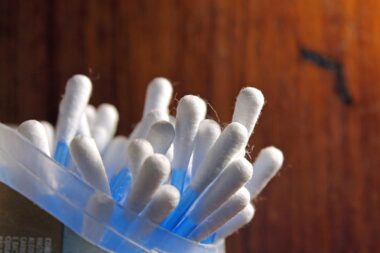
Another vital aspect of ear cleaning is ensuring that you have the right supplies on hand. Before starting, gather all necessary materials, including veterinary-approved ear cleaners, cotton balls, and treats. A good ear cleaner should be designed specifically for dogs, as human products may not be safe. When you have your supplies ready, position your dog in a comfortable manner. It’s usually best to have them sitting or lying down. Using the veterinary-approved cleaning solution, apply a few drops into the ear canal without forcing it. Then gently massage the base of the ear to help the cleanser loosen any debris or wax. Allow your dog to shake its head after applying the cleaner—this action is beneficial and helps dislodge buildup. Afterward, use a cotton ball to wipe any excess debris, being careful to stay on the outer ear and never insert anything into the ear canal. Remember to reward your pet after the procedure, reinforcing a positive association with ear cleaning. Consistency in this grooming aspect enhances your dog’s comfort and keeps ear infections at bay.
To ensure effective ear cleaning, consistency and gradual acclimatization to the process can greatly benefit your dog’s comfort. Start by touching your dog’s ears during casual play to desensitize them to handling. Once your dog seems comfortable, gradually introduce cleaning supplies. Always allow your dog to explore the tools without stress, using treats as rewards. Building a positive association is essential to establish a routine that your pet will accept. Make ear cleaning a short and pleasant experience to prevent anxiety or fear. If your dog resists or becomes agitated, take a break and try again later. Seek an experienced groomer if you struggle with the cleaning method. Seeking professional assistance sometimes can be the best approach as they can teach techniques or reinforce your efforts. Additionally, if your dog has an existing condition or has undergone surgeries, always consult your vet before attempting ear cleaning. Their expertise ensures that you employ safe and effective practices tailored to your dog’s unique needs. Ultimately, your patience and dedication play an integral role in maintaining your dog’s ear hygiene.
Benefits Beyond Cleaning
In addition to preventing infections and discomfort, ear cleaning fosters a stronger bond between you and your pet. Regular routines have a way of bringing owners and their dogs closer. As you manage the grooming tasks, including ear cleaning, you create trust and mutual understanding throughout the process. Owners who take time to care for their dog’s hygiene contribute positively to the animal’s psychological well-being. Not to mention, dogs thrive on consistent routines that help them feel secure. Furthermore, clean ears can improve your dog’s overall quality of life by preventing distraction and discomfort during their daily activities. Dogs with less ear discomfort typically behave better and show improved social interactions with other pets or people. Making ear cleaning a part of your session will also enhance communication, as your dog learns to recognize cues associated with grooming. Ultimately, this translates into a happier, healthier, and better-behaved pet. To summarize, practical ear cleaning is much more than an occasional task; it strengthens bonds and positively influences various aspects of your dog’s life.
To conclude, understanding the role of ear cleaning in dog grooming is vital for every pet owner. This process is not merely focused on aesthetics but is a fundamental aspect of ensuring your dog’s health and quality of life. Maintaining clean ears prevents potential infections and alleviates discomfort that could disrupt your dog’s daily activities. Additionally, regular cleaning routines forge stronger bonds between owners and their pets, fostering trust and comfort. It is essential to remain vigilant about your dog’s ear health. Be observant, noting any behavioral changes that could hint at underlying issues. Create a simple checklist or schedule to ensure ear checks and cleaning occur consistently. If unsure, do not hesitate to seek professional advice from a groomer or veterinarian for personalized guidance. By prioritizing ear hygiene, you actively participate in your dog’s well-being while improving their overall happiness and health. Ultimately, your dedicated commitment to ear care reflects your love and concern for your furry companion. Through routine checks and proper cleaning techniques, you can contribute significantly to your furry friend’s long-term health and well-being.