
Innovative Agility Equipment Options for Advanced Training
When it comes to advanced dog training, agility equipment plays a crucial role in developing both a dog’s skills and handler communication. The right tools can enhance performance, boost confidence, and encourage teamwork. When selecting agility equipment, consider those that are both durable and versatile. Some popular choices include jumps, tunnels, weave poles, and contact equipment. Each of these items has specific uses, contributing to a comprehensive training approach. Regular practice with these tools helps dogs learn crucial skills like speed, precision, and responsiveness. Moreover, having fun while training engages the dog’s mind and body effectively, producing remarkable results. It’s essential to start with quality gear that can withstand rigorous training sessions. Utilizing equipment made of weather-resistant materials protects your investment against wear and tear. Additionally, equipment should be adjustable, allowing it to grow with the dog and cater to various skill levels. Investing in innovative agility equipment also creates a stimulating environment that helps dogs focus and learn quicker. Therefore, exploring various options can skyrocket your dog’s agility training to new heights, making their path to becoming champions more efficient.
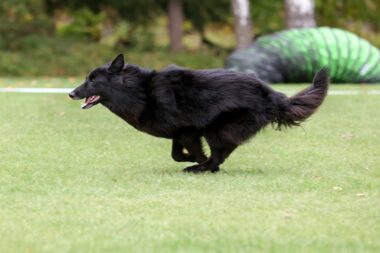
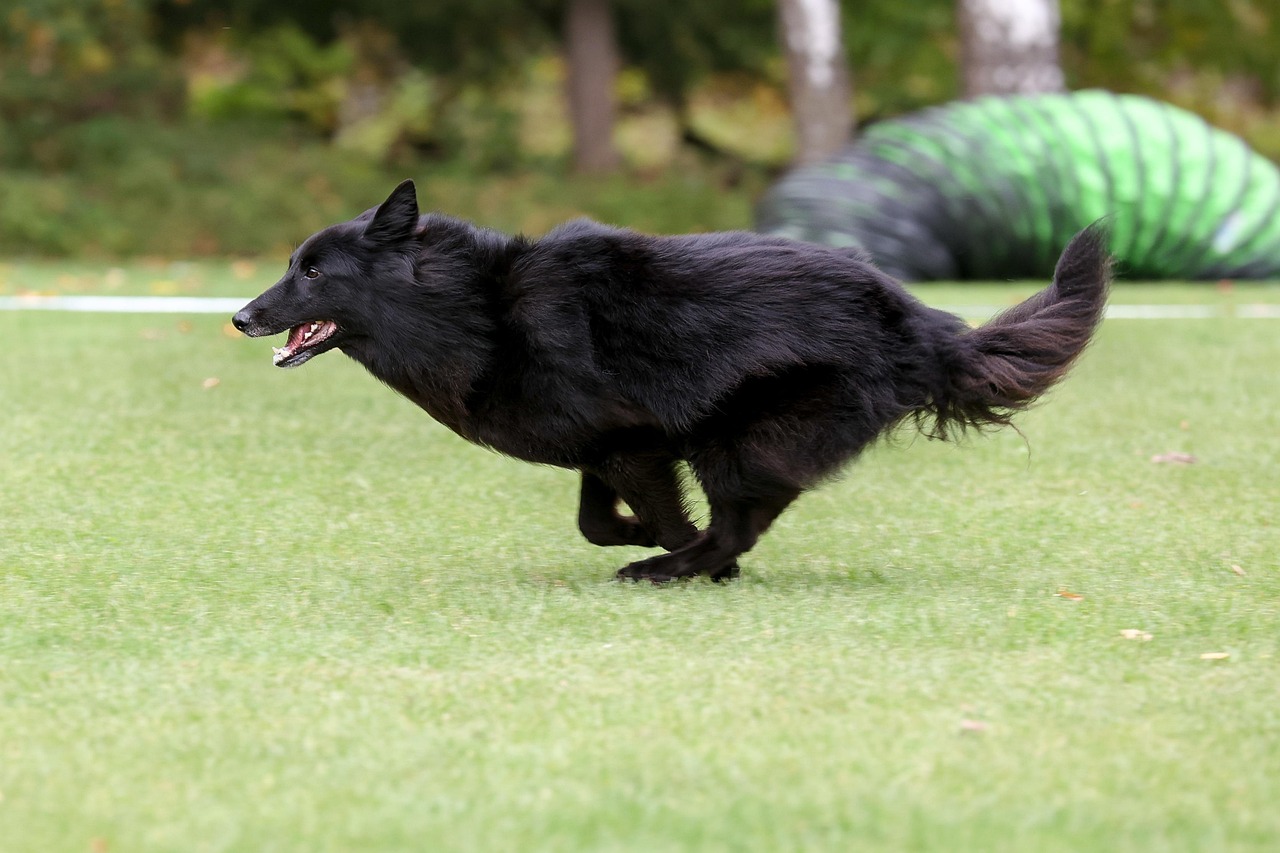
Among the various agility equipment options available, the tunnel holds a special place in both training sessions and competitions. Tunnels offer dogs a unique challenge that develops their confidence and encourages problem-solving skills. A quick dash through a tunnel stimulates excitement, bringing forth a canine’s natural instinct to chase and explore. Tunnels come in various shapes and sizes, allowing for customization to cater to different skill levels. For novice dogs, straight tunnels can be introduced slowly. In contrast, advanced dogs can tackle curved tunnels, improving their navigation and maneuvering skills. The adaptability of tunnels makes them a key element in many agility courses, allowing handlers to design engaging routines. To maximize effectiveness, it’s crucial to introduce tunnels gradually and reward dogs with treats or praise for their success. Positive reinforcement ensures dogs associate the tunnels with fun, motivating them to perform better. Furthermore, tunnels are portable and relatively easy to set up, making them a favorite for trainers and handlers alike. Investing in a good quality tunnel will ensure your dog can train effectively, grow skillfully, and enjoy countless hours of agility training.
Weave Poles: Enhancing Precision and Control
Weave poles are essential for any serious agility training program as they enhance a dog’s precision and control. These poles are designed to teach dogs the importance of navigating through a series of obstacles. Using weave poles improves focus and builds confidence as dogs learn to master the skill of weaving. Properly introducing weave poles is crucial; start with a wider spacing between the poles, gradually reducing the gap as your dog becomes more comfortable. This gradual approach ensures a positive experience, promoting skill refinement without overwhelming the dog. Handlers should maintain a positive attitude during training, using treats and praise to reinforce success. As dogs gain confidence, moving to tighter poles will refine their abilities further. Additionally, weave poles can be set up in various configurations, such as zigzag patterns or parallel lines, to challenge the dog and keep training fresh. Dogs truly enjoy the mental stimulation that weave poles provide, making it an essential tool in agility training. Investing time in mastering this equipment will yield rewarding results, contributing to your dog’s overall agility and sporting success.
Another essential piece of agility equipment is the A-frame, which significantly contributes to building strength and agility in dogs. The A-frame consists of two inclined planes that the dog must ascend and descend, working various muscle groups. This exercise not only builds physical strength but also improves spatial awareness, encouraging dogs to gauge their movements accurately. To effectively introduce the A-frame, start with a lower height to allow dogs to build confidence before gradually increasing the incline. Safety is paramount during this training, so using non-slip surfaces ensures your dog’s stability as they move up and down. Incorporating the A-frame into your training helps develop core strength and balance, both integral to any active dog’s routine. Celebrate every successful climb and descent with encouragement, constructing a positive experience while reinforcing learning. As dogs become proficient with the A-frame, they will gain confidence in their abilities. Different setups allow for creative obstacles in agility courses. Investing in a high-quality A-frame will maximize its use, aiding in both indoor and outdoor practices.
Jumps: Building Speed and Agility
Jumps are one of the most recognized components of agility courses, promoting speed and agility. Various configurations, such as single, double, and triple jumps, provide diverse training opportunities that challenge dogs appropriately. When introducing jumps, start with lower heights and gradually increase them as your dog gains confidence. This method helps prevent injuries while allowing the dog to learn how to gauge their jumps accurately. Jumping exercises not only improve physical strength; they also enhance cognitive skills. Dogs learn to focus and respond quickly to commands, fostering better handler-dog communication. Using brightly colored jump bars adds an element of fun while keeping dogs engaged. Handlers can create unique sequences using different jump styles to stimulate training sessions. Furthermore, jumps can be set up anywhere, making them a versatile choice for trainers. Regular practice with jumps builds agility and prepares dogs for competition by enhancing their ability to navigate challenges. Investing in quality jump equipment ensures durability and safety, allowing for effective and prolonged training sessions.
For holistic agility training, contact equipment is vital, teaching dogs to manage different surfaces while maintaining focus. Equipment such as seesaws, dogwalks, and pause tables forms part of this category, making it essential for any agility training program. These tools require dogs to develop balance and coordination while making quick decisions. Contact equipment promotes self-confidence and teaches dogs to approach challenges methodically. When setting up contact equipment, starting with low heights ensures dogs gain comfort with the surfaces. Handlers should also encourage dogs to move slowly at first, celebrating their successes along the way. Using treats and practice should incentivize dogs to maintain a positive attitude. As their skills improve, handlers may increase the heights or introduce more challenging configurations. Different equipment setups, like dogwalks with varying widths, may keep training sessions fresh and engaging. Investing in high-quality contact equipment is important for safety, durability, and effective training methods. Regular use will significantly enhance your dog’s abilities while delivering profound mental and physical stimulation.
The Benefits of Innovative Materials in Agility Equipment
When selecting agility training equipment, innovative materials offer numerous advantages. These advancements in manufacturing techniques culminate in products that are lightweight, durable, and weather-resistant. For outdoor training, equipment manufactured from UV-resistant and waterproof materials ensures longevity, standing up against various environmental conditions. Innovations like collapsible or modular equipment allow easy storage and transport, facilitating on-the-go training. Lightweight materials reduce physical strain on handlers, making it easier to set up and break down courses quickly. The use of modern technology also integrates safety features into the designs, ensuring safer training sessions. Furthermore, unique designs that incorporate reflective surfaces or neon colors enhance visibility, making agility courses exciting and safe for nighttime training. Investing in innovative agility equipment saves money in the long run, as higher durability translates into less frequent replacements. Handlers should explore options that combine style and functionality, allowing training to be both effective and visually appealing. Choosing the right materials empowers trainers to develop engaging routines, fostering success in both dogs and handlers.
Ultimately, investing in quality agility equipment is an essential part of a successful dog training program. Not only does it support physical fitness, but it also strengthens the fundamental bond between handler and dog. Advanced agility training requires strategic planning, and using the right equipment lays the groundwork for long-lasting success. When selecting agility tools, it’s essential to choose those that align with your dog’s specific skill level. Incorporating different types of equipment, like tunnels, jumps, and weave poles, allows for varied training experiences that keep dogs engaged and motivated. Safety remains a top priority; ensuring that equipment is high-quality and well maintained should never be overlooked. Celebrating achievements, both big and small, reinforces a positive feedback loop that boosts confidence in both dog and handler. With creativity and innovation in approach, dog training with agility equipment fosters an environment of growth and enjoyment. Embracing the journey together creates lasting memories and strengthens the handler-dog partnership. Therefore, investing in agility equipment not only shapes champions but cultivates joyful relationships that last a lifetime.