
Preparing Your Car for a Stress-Free Dog Transport Experience
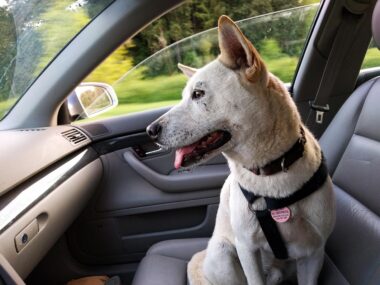
Transporting a newly adopted dog involves careful preparation. First, you need to ensure your car is dog-friendly. Start by removing any items that could be harmful or distracting while driving. Items like small objects, clutter, or anything that could fall during transit should be cleared from your vehicle. Next, secure your dog with a proper harness or pet seatbelt to ensure their safety. A crate can also be beneficial for new dogs that may feel anxious. It creates a designated space that provides security and comfort. Maintain a positive atmosphere in the car by playing soothing music and avoiding sudden loud noises. Use a pet-friendly seat cover to protect your upholstery and give your dog a comfortable area. It adds an extra layer of protection against shedding or accidents. Ensure you have water and a few treats handy for breaks. Regular stops will help your dog acclimate to the ride and relieve any anxiety. Lastly, consider talking to your veterinarian about calming aids if needed. These preparations will facilitate a smooth transport with your new furry friend.
Options for safe dog transport include crates, harnesses, and pet barriers. Crates are particularly useful because they confine your dog within a safe space. When selecting a crate, it should be large enough for your dog to stand, turn around, and lie down comfortably. Ensure that your crate is well-ventilated and secured correctly to avoid any accidents during your journey. Harnesses also provide excellent alternatives for smaller dogs and are more suitable for larger breeds. A properly fitted harness can prevent injury by distributing pressure evenly across your dog’s body in case of sudden stops. If you’re opting for a barrier, make sure it’s strong and fitted correctly to keep your dog from jumping into the front seat. Additionally, consider the temperature inside your vehicle. Ensure it is not too hot or cold, as dogs are sensitive to temperature extremes. Always check that your pet is comfortable throughout the journey. Remember to visit rest areas where your new dog can stretch or relieve themselves. Lastly, prepare them for arrival at home gradually, introducing them to their new environment slowly.
Creating a Comfortable Environment
Ensure your car environment is cozy for your dog. Start by adding blankets or a favorite toy that smells like home to help your dog feel secure. Familiar smells can significantly comfort your pet during travel. Remember, anxiety can be common for newly adopted dogs, so their comfort should be a priority. Additionally, check that the vehicle’s interior temperature is suitable. You may use air conditioning or windows for air circulation, but be cautious. When the weather is hot, never leave your dog alone in the car. Use window shades to protect them from sunlight, which can create a more pleasant environment. Make frequent stops during longer journeys to allow your dog to stretch, hydrate, and relieve themselves. This routine not only comforts them but also helps you keep their mood positive. Also, avoid feeding your dog right before travel to prevent motion sickness. Instead, schedule meals a few hours prior to departure. Providing treats during the ride can also reinforce good behavior. Having a few toys can help divert their attention if they start feeling nervous. Take measures to create a stress-free ride that will enhance the transport experience.
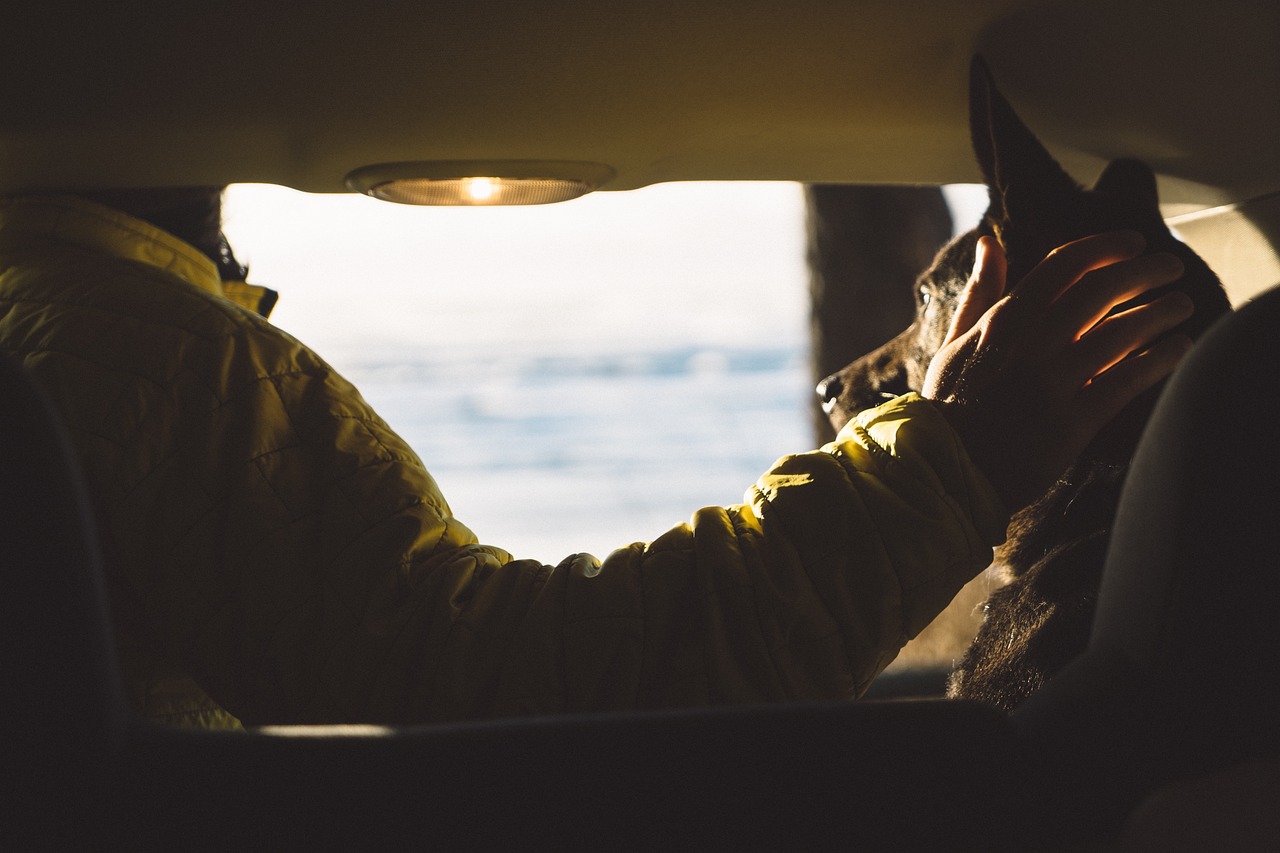
During transport, monitor your dog closely for signs of discomfort or anxiety. If your dog seems restless or agitated, reassure them with your voice or soothing touch. This kind of reassurance can ease their nerves and help them feel safe. You should also avoid unnecessary distractions while driving, as your focus must remain on the road. Having another person assist by comforting the dog can help provide additional care. Establish a schedule for regular breaks every hour or two for longer journeys. This allows your dog time to stretch, explore, or relieve themselves. During these breaks, it’s important to keep your dog leashed to prevent any unexpected escapes. Be aware of your dog’s assessment of surroundings; new environments can provoke anxiety. Bring your dog’s favorite items along to help reduce any stress or fear. Many pet owners recommend having a towel or blanket that smells like their previous home. This may provide comfort to your dog while adjusting to you and their new surroundings. Planning for these details will create a safer, happier, and more enjoyable journey for your four-legged friend.
Understanding Behavior During Transport
Understanding your dog’s behavior can significantly improve transport experience. While some dogs are calm during travels, others may display signs of anxiety or reluctance. Observing your dog’s behavior before travel can give you insights into their temperament. For anxious dogs, try short car trips leading up to adoption day. Gradually adjusting them to the car environment reduces stress on the big day. Bring along a friend or family member for support, ensuring they are calm and matter-of-fact. Your emotions can influence your dog’s response. Avoid showing signs of stress or rushing to discourage fears. Repeat positive affirmations during travel, which create an environment of stability and confidence. Offer praise for calm behavior, and use treats to reinforce positive interactions. Each calming trip helps your dog associate the car with good experiences. Maintain a routine that includes pre-travel commands or cues that signal it’s time to get in the car. Be consistent in your approach with positive reinforcement to foster trust between you and your dog. This bond is crucial as they begin to identify you as their protector in all situations, including transport.
Once you reach your destination, ensure you have a smooth transition from the vehicle to your new home. Take things slowly, allowing your dog to acclimate to their fresh environment. First, try to designate a specific area or room for them to feel secure. Equip this space with their bed, toys, and some water. It serves as a safe haven and helps them adjust more comfortably. When opening the car door, let them exit at their pace. Forcing them can cause panic; thus, patience is key. Not forcing them out immediately allows them to investigate their surroundings more comfortably. If your new dog is hesitant, encourage them with treats or their favorite toy. Always maintain a calm energy to reassure them further. It’s important to avoid overwhelming them with too many new stimuli. Gradually introduce different rooms in the house and even family members if applicable. Keep initial meetings calm. Be aware of their reactions to sights, sounds, and smells inside your home. This makes the transition easier and encourages your dog to feel like part of the family.
Conclusion and Final Tips
Transporting your newly adopted dog can be a rewarding experience when done thoughtfully. Preparation is crucial, starting with creating a secure and inviting environment in your car. Ensure safety measures like harnesses or crates, along with comfort items such as blankets or toys. Remember, patience is key when introducing your dog to a new home post-transport; the transition should be gradual for their well-being. Reinforce positive behavior during travel with praises and treats, and monitor their comfort level throughout the journey. Regular breaks, especially during longer trips, help alleviate any anxiety. Always prioritize their safety by ensuring they have a proper seatbelt or are securely in a crate. Consult your veterinarian if significant anxiety persists, as they may provide aids to ease transport stress. Preparing ahead and being receptive to your dog’s needs can significantly enhance the experience. Every effort to create a pleasant atmosphere will result in a smooth transition into their forever home. This solid bond starts here—treat this experience as a foundational moment. Following these practices will help your dog adjust well and feel at home with you.