
The Evolution of Maine Coon Breed Standards Over the Years
The Maine Coon cat is a breed renowned for its majestic appearance and engaging personality. Established in the United States during the 19th century, Maine Coons have evolved significantly over the years. Once bred for their exceptional hunting abilities on farms, their popularity expanded, leading to the need for breed standards. Early standards focused primarily on physical attributes like size, coat texture, and ear shape. These attributes included their large size, tufted ears, and bushy tails. As time traveled along the timeline of cat breeding, feline aficionados focused on distinct characteristics that reflected health and temperament. Breed standards aimed to promote health while enhancing Maine Coons’ beauty and overall well-being. Such aspects played a crucial role in their acceptance and rise in popularity amongst cat enthusiasts and breeders alike, leading to widespread recognition. The standards, initially vague, underwent modifications to bring about consistency in breeding practices, ensuring the purity of bloodlines. As naturally occurring breeds began receiving attention, so too did the establishment of Maine Coons as an exemplary breed in the cat fancy world, transitioning from utilitarian animals to admired companions.
The American Cat Fanciers Association (ACFA) played a pivotal role in shaping Maine Coon breed standards in the latter part of the 20th century. Their definitive standards highlighted physical characteristics that defined a ‘show-quality’ Maine Coon, including specific size requirements and coat colors. The ACFA recognized the breed’s versatility and charm, contributing to its exposure and increasing popularity. Additionally, organizations like The International Cat Association (TICA) further refined these standards, noting the need for clear guidelines for breeders. TICA’s involvement in the 1980s brought attention to genetic health issues, ensuring that breeding practices adhered to recommended care strategies. Establishing such protocols inspired responsible breeding and diminished the risks of hereditary conditions. Genetic diversity became a focal point as breeders began understanding the importance of healthy breeding practices. As Maine Coons gained recognition, breed standards expanded to ensure ethical practices while preserving the breed’s iconic features. The shift exemplified the ongoing evolution of standards that address both aesthetic value and long-term welfare. These associations fostered improvements in breeding techniques that would uphold Maine Coons’ admired features in years to come.
Health Considerations in Maine Coon Standards
As the understanding of feline health advanced, Maine Coon breed standards began to incorporate essential health considerations. prominent health concerns associated with the breed, such as hypertrophic cardiomyopathy (HCM), prompted breeders to prioritize genetic testing. This evolution aimed to ensure future generations would be free from genetic disorders. Responsible breeders now adhere strictly to recommended breeding practices that not only account for external appearance but also internal health. The formulation of relevant health screenings became integral to evaluating breeding pairs. Additionally, focusing on longevity and vitality became important goals for Maine Coon breeders. The reputation of the breed must coincide with the health of its members, making it vital to prioritize sound practices. Breed standards now provide a balance between desirable traits and welfare by promoting practices backed by research and veterinary specialists. Consequently, breeders often collaborate with veterinarians to stay abreast of new insights regarding breed health. Maintaining these health standards ensures that Maine Coons continue flourishing, both in elegance and health, preserving their legacy as a cherished breed for future generations. This evolution represents a significant shift in the standards surrounding Maine Coon care and breeding.
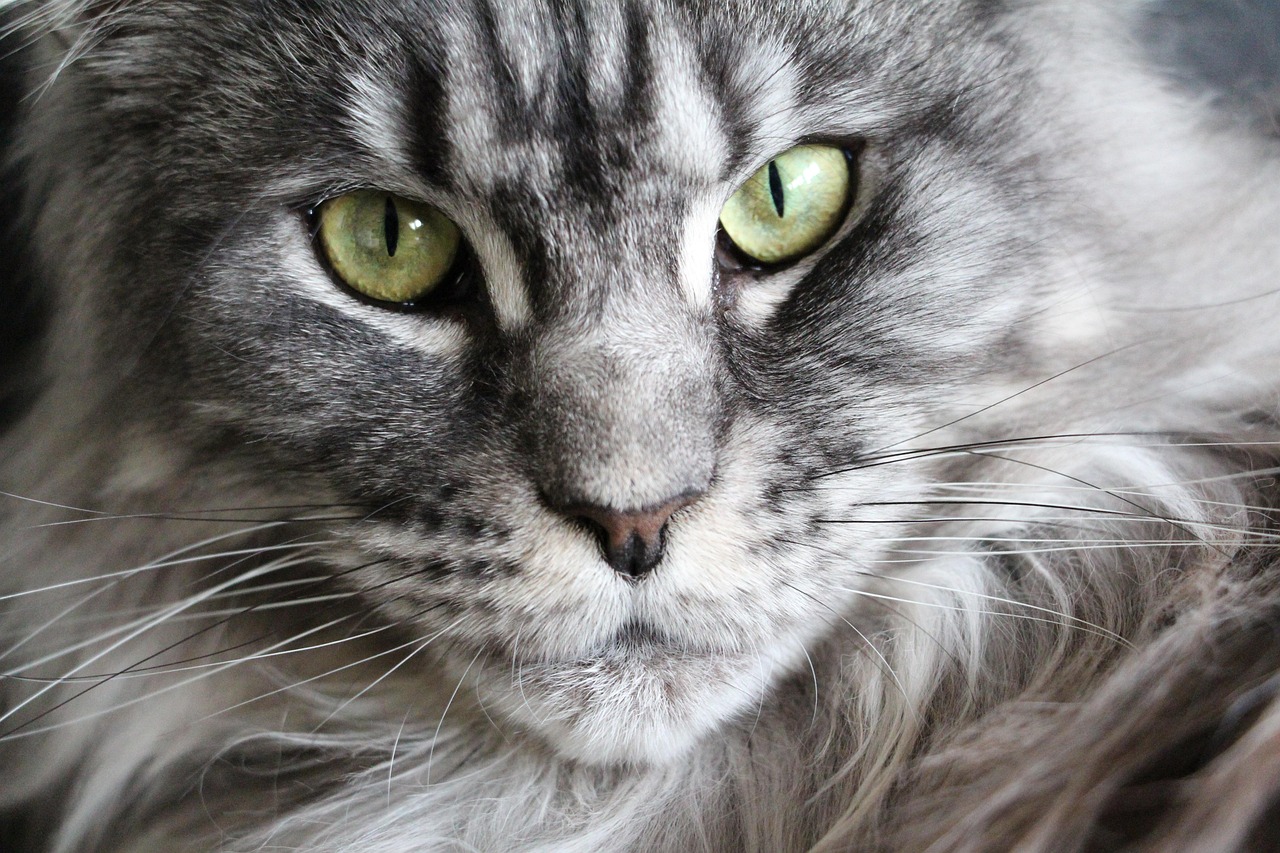
As breed standards evolved, the Maine Coon’s aesthetic traits received a meticulous examination, including coat coloration and type. Initially dominated by classic tabby patterns, Maine Coons began to showcase an array of colors and patterns. The standards adapted to embrace this diversity, categorizing options such as solid, bicolor, tortoiseshell, and more. Esteemed breeders championed a rich tapestry of colors, paving the way for variety in showcasing Maine Coons in competitions. The appreciation of coat features matched popularity with aesthetics — leading to breathtaking displays at cat shows. Additionally, distinct features often highlighted in breed standards included sparkling eyes and notable ear tufts. The emphasis on such traits underlined a comprehensive approach towards enhancing the Maine Coon’s visual appeal. Breeders valued robustness as much as unique physical traits, propelling standards to spotlight not just looks, but also harmonious body proportions. This shift marked a turning point in exhibiting Maine Coons, reflecting a balance of recognized beauty and adhering to health guidelines. Thus, Maine Coon breed standards evolved to embrace a broader understanding of these fantastic creatures exhibiting the variety within the breed.
Modern Developments in Maine Coon Breed Standards
In recent years, the evolution of Maine Coon breed standards has reflected societal views on feline companionship. With increased emphasis on responsible pet ownership and ethical breeding practices, the standards now encompass temperamental traits. Breeders are lauded not only for the physical attributes of their cats but also for their disposition and temperament. These aspects have become essential benchmarks for breeders aiming to enhance the cats’ suitability as family pets. Maine Coons have developed a reputation as friendly, affectionate companions, and newly established standards promote characteristics integral for everyday life. In this modern era, breed standards document crucial evaluations addressing behavioral aspects alongside physical ones. As the need for suitable pets expanded, the idea of a balanced survey on characteristics spurred the evolution of standards further. A focus on sociability and ease of handling now garners attention when assessing Maine Coons. Therefore, breed standards have become an essential tool for identifying temperamental traits that align with potential owners’ lifestyles. This progression signifies an essential shift towards fostering relationships between humans and cats, motivating breeders to prioritize not just looks but also personality.
Furthermore, advancements in technology have significantly influenced how Maine Coon breed standards are established and maintained. With the proliferation of online resources and databases, breeders and enthusiasts can access valuable information related to genetic health. Furthermore, social media platforms have enabled cat lovers worldwide to share their experiences and best practices. These platforms create community spaces for sharing insights and developments regarding breed standards. Additionally, many registries utilize DNA testing to augment traditional evaluation methods, encouraging healthier breeding practices. Such technological advancements reinforce responsible breeding and monitoring, fostering trust within the cat breeding community. The latest protocols confirm Maine Coons exhibit desirable traits on a genetic level, ensuring that visual characteristics are maintained. As the focus on health grows, modern standards integrate recent medical guidance and research, bridging a gap between breeding tradition and scientific findings. This evolution implies that current Maine Coon breeders can utilize advanced methods alongside established standards effectively. Embracing these modern approaches leads to healthier, happier Maine Coonds while adapting to shifting societal expectations in Ontario to modernize standards.
Conclusion: Future of Maine Coon Breed Standards
Looking ahead to the future, the evolution of Maine Coon breed standards appears set to embrace sustainable practices that prioritize both beauty and health. Integration of education surrounding genetics and breeding practices must align with the community’s shared goal: to ensure that Maine Coons thrive as beloved pets. The trend towards ethically-focused breeding emphasizes collaboration among breeders, owners, and veterinarians. By establishing a shared understanding based on responsible ownership, the Maine Coon breed can flourish further. Moreover, through cooperation, breed standards can respond effectively to the ongoing advancements in understanding feline health and well-being. The genetic adaptation of standards will remain a topic of focus to uphold the integrity of Maine Coons while embracing diversity. As breeders continue engaging with the broader community, they contribute to evolving standards that reflect a dynamic perspective. The future holds promise for a continuous dialogue among stakeholders, allowing for the development of strategies addressing health as well as beauty. Thus, the Maine Coon breed will evolve, adapt, and thrive while remaining a cherished companion for future generations of cat lovers.
Throughout the long and colorful history of the Maine Coon breed, these standards have extended beyond appearance alone, emphasizing the development of cats as versatile companions. Breeders and enthusiasts have shown great dedication in preserving this magnificent breed. The blending of tradition with modern insights has created a ripple effect across the feline community, as people continue aspiring towards ideal standards. This quest has fostered a deep appreciation of Maine Coons as remarkable animals, bolstering their position in the cat fancy sphere. The ongoing collaboration among organizations further ensures that Maine Coons remain subjects of admiration for years. Ultimately, the evolution of Maine Coon standards embodies the loving connection between humans and their feline friends. As we move forward, the legacy of the Maine Coon will symbolize responsible breeding practices for generations yet to come.