
Success Stories: Overcoming Food Aggression in Rescue Cats
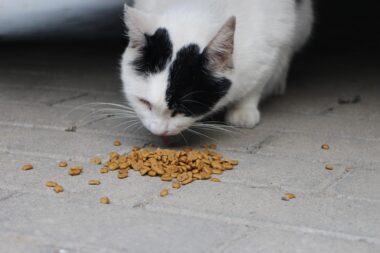
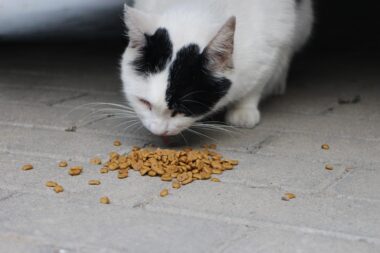
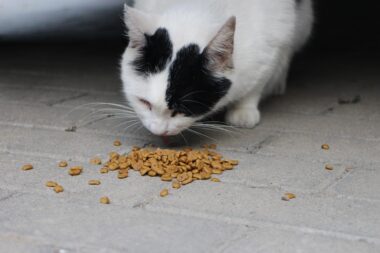
Food aggression in rescue cats can be a challenging behavioral issue, often rooted in their past experiences. Many rescue cats have faced neglect, abuse, or competition for food, leading them to become possessive of their meals. This behavior can be alarming to new owners, who may feel uncertain about how to safely interact with their new feline companions. Understanding the origins of this behavior is critical for any cat owner. It’s important to recognize that diligent efforts from caregivers can lead to substantial improvements. Many successful stories exist where dedicated cat adoptive parents have helped their pets overcome these issues. Patience and consistent training form the foundation of successful intervention. Each story serves as a hopeful reminder that even the most food-aggressive cats can learn to share and feel secure. With proper strategies, they can become loving and well-adjusted family pets. This journey often entails reshaping the environment while providing trust and safety. Many cat owners seek guidance, which can be found through training resources and professional support. Overcoming food aggression can transform both the cat’s life and the owner’s experience.
Understanding Food Aggression
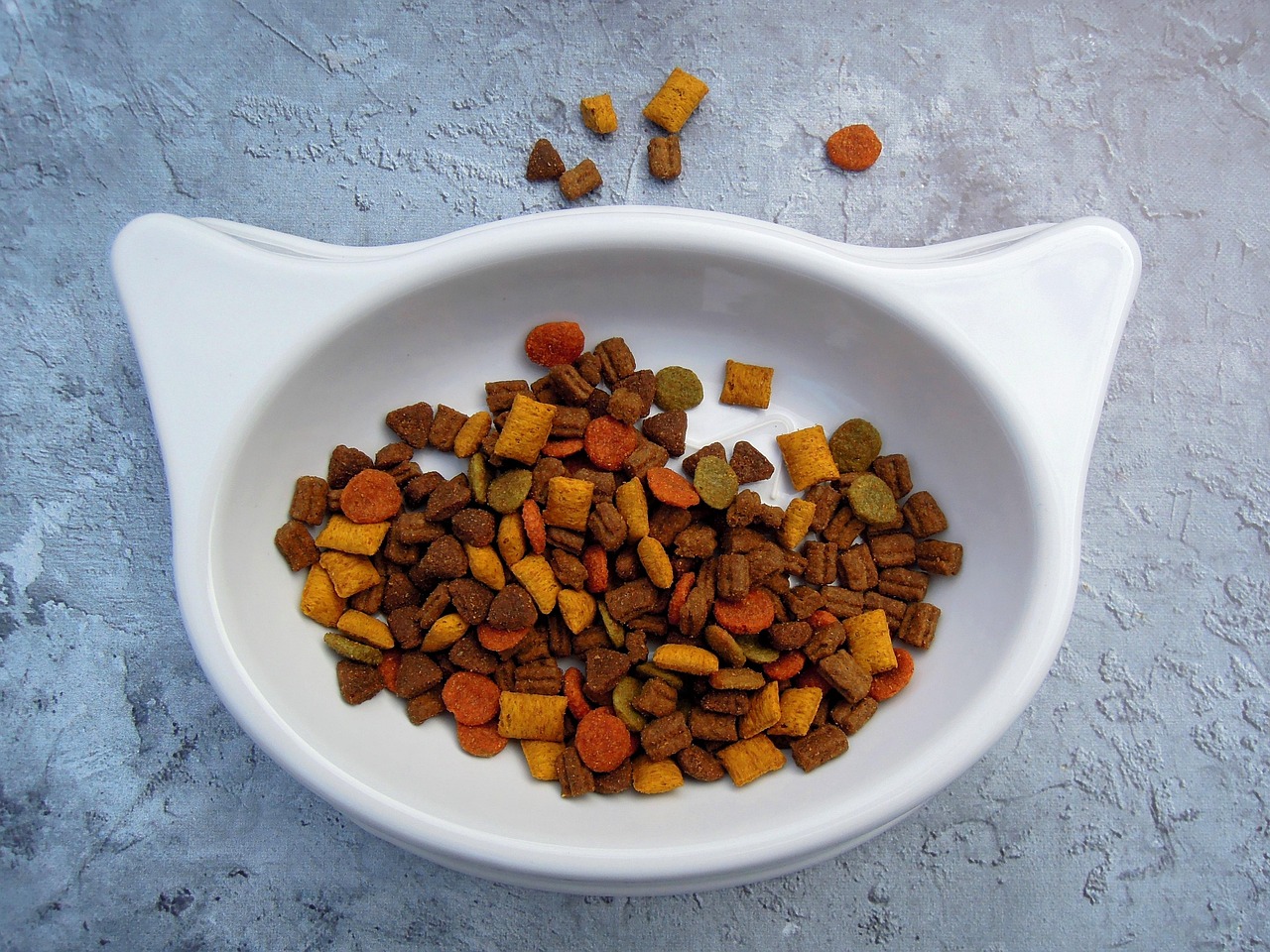
Food aggression is not just an outburst; it is rooted in insecurity that can drastically affect the cat’s lifestyle and behavior. These feelings are triggered by a fear of scarcity and loss. Once it becomes established, it can create a divide between the cat and its owner. Identifying signs of food aggression in rescue cats is vital. Common indications include growling, hissing, or pawing at the food bowl. Especially in multi-cat households, the competition over resources can exacerbate these behaviors. Effective management includes creating a calm eating environment and implementing gradual, structured training sessions that teach the cat about safe eating practices. It’s vital to earn their trust first, thus providing more security. A strategy employed by many owners involves positive reinforcement techniques such as treats or praise when the cat exhibits non-aggressive behavior. Furthermore, elevating food bowls or using puzzle feeders can distract the cat from exhibiting aggressive tendencies. In time, these small changes help cats develop a healthier relationship with food. Positive experiences associated with meal times can begin to replace fear with confidence, leading to remarkable changes in behavior.
The role of veterinary advice cannot be underestimated in addressing food aggression in rescue cats. Consulting a veterinarian can help rule out any underlying medical conditions or nutritional deficiencies. These factors can sometimes lead to increased food anxiety. A veterinarian can also recommend dietary modifications, emphasizing a balanced nutrition approach that prevents hunger-driven aggression. Once the underlying causes are identified, owners can initiate strategies to address the issues effectively. Some cases may even benefit from a consultation with a feline behaviorist who specializes in behavioral modifications. Their expertise can provide personalized insights tailored to the cat’s unique temperament. It’s crucial for owners to keep track of behavior patterns and share these observations during consultations. This collaborative approach not only helps refine the strategies but also ensures a focused treatment plan. Throughout this process, maintaining a log of the cat’s feeding behaviors and responses to training can prove invaluable. Consistency and communication will be key components of success as owners embark on the journey to nurture a calmer, more balanced feline. With proper guidance, positive transformations can occur even in the most challenging situations.
Success Stories of Transformation
Numerous rescue cats have successfully overcome food aggression, and their remarkable stories highlight the power of dedication and love. One inspiring story involves a cat named Leo, a former stray who had developed severe food guarding behavior. His owner patiently worked with him using a system of gradual desensitization, allowing him to associate her presence with positive experiences. Over time, Leo transformed from a hissing ball of fury to a loving companion who even enjoys shared mealtime. Another success story is of Bella, who found her forever home after being rescued from a neglectful situation. Faced with severe food aggression, Bella’s new owner created a calm feeding space while slowly introducing positive reinforcement. Bella’s journey illustrates how understanding a cat’s past can pave the way for healing. These stories serve as powerful reminders that systematic approaches yield incredible results. Communication and patience are essential, and both owners and cats can grow together through this challenging journey. With gradual changes, a nourishing environment, and love, rescue cats can overcome their food aggression and develop trusting relationships with their companions.
Training techniques that have proven effective often include techniques such as clicker training. This method involves using a sound clicker along with treats as positive reinforcement. When the cat refrains from aggressive behavior while eating, the click sound is made, and a treat follows, helping them to associate calmness with rewards. Owners using this method must be consistent in their cues and timely with rewards. Additionally, creating separate feeding areas can ease competition among multiple pets. Each cat can have its own space where they feel secure while eating, ensuring a peaceful atmosphere. Programmed feeding routines can also help establish a sense of security, ensuring that the cat knows when to expect their meals. Another strategy is to incorporate interactive feeding toys that engage the cat’s natural instincts. These toys slow down consumption, promoting thoughtful eating habits. As owners experiment with various techniques, tracking their cat’s progress will provide vital insights. By maintaining open communication with fellow cat owners or joining local cat communities, one can gain further knowledge and support in managing food aggression issues effectively. Success stories continue to inspire owners to implement similar strategies in their own homes.
Creating a Safe Environment
Providing a safe environment for rescue cats can significantly contribute to reducing food aggression. The atmosphere should be devoid of stressors and distractions during mealtime. Simple changes, like reducing noise levels, can make a remarkable difference. Furthermore, ensuring that other pets remain calm and relaxed during feeding times can facilitate a secure eating space. A multi-cat home often requires special arrangements to ensure all cats feel safe. Creating separate feeding zones can help minimize competition by allowing each cat to eat undisturbed. Utilizing barriers or creating heights for food bowls may also help establish territory, so that each cat understands their boundaries when it comes to meals. Additionally, incorporating routine feedings at the same time each day can enhance a cat’s confidence. Moreover, reducing the number of feeding interruptions will create a structured schedule reinforcing security. Giving the cats a space to retreat in peaceful isolation can further improve their overall well-being and apprehension regarding food. With security at the forefront, the psychological barriers that often accompany food aggression begin to dissolve, leading to more harmonious interactions during meal times.
The journey of overcoming food aggression is not just about the cats; it also deeply affects their owners. Observing a beloved pet struggle with such behavior can be stressful and disheartening. However, witnessing progress is incredibly rewarding. Owners may find themselves developing a deeper bond with their cats throughout this process. As the cats begin to respond positively to training and environment changes, owner satisfaction grows. Each small victory reinforces the belief that patience, understanding, and commitment pay off. Engaging in this process allows owners to discover their own capabilities while learning alongside their cats. Many find refuge in social support networks, sharing both their struggles and victories with others facing similar challenges. The collective experiences often provide valuable insights, promoting a collective commitment to ensure all cats lead fulfilling lives. Rescuing a cat is a responsibility but also a profoundly enriching experience that fosters growth in both parties. In reflecting on these journeys, it’s essential to remember that every cat is unique, and there is no one-size-fits-all solution; thus, patience should be a guiding principle in shaping a new reality for these wonderful felines.
Conclusion
Ultimately, overcoming food aggression in rescue cats is a testament to the power of love, patience, and dedicated training. These tales inspire future pet owners and encourage them to pursue similar paths with their rescued cats. Many have discovered that, by employing compassionate techniques and maintaining consistent routines, their feline companions can transform their behavior dramatically. These transformations contribute to happier homes, where cats can thrive in a loving environment. Each story reflects the importance of understanding and addressing deeper psychological issues that accompany food aggression. Building safe spaces, implementing effective training practices, and developing trust are key components of the journey. As more rescue cats find their way to caring homes, owners can take inspiration from previous experiences, continually learning along their path. Each success story is unique, but they collectively highlight core principles that can lead to healing. Through a commitment to responsible pet ownership, challenges can turn into opportunities for growth and bonding. By leading with compassion and mindfulness, both owners and rescue cats can triumph together, successfully navigating the complexities of food aggression. Together, they can create a fulfilling, nurturing, and secure life.