
Evaluating Environmental Stressors That Impact Cat Grooming
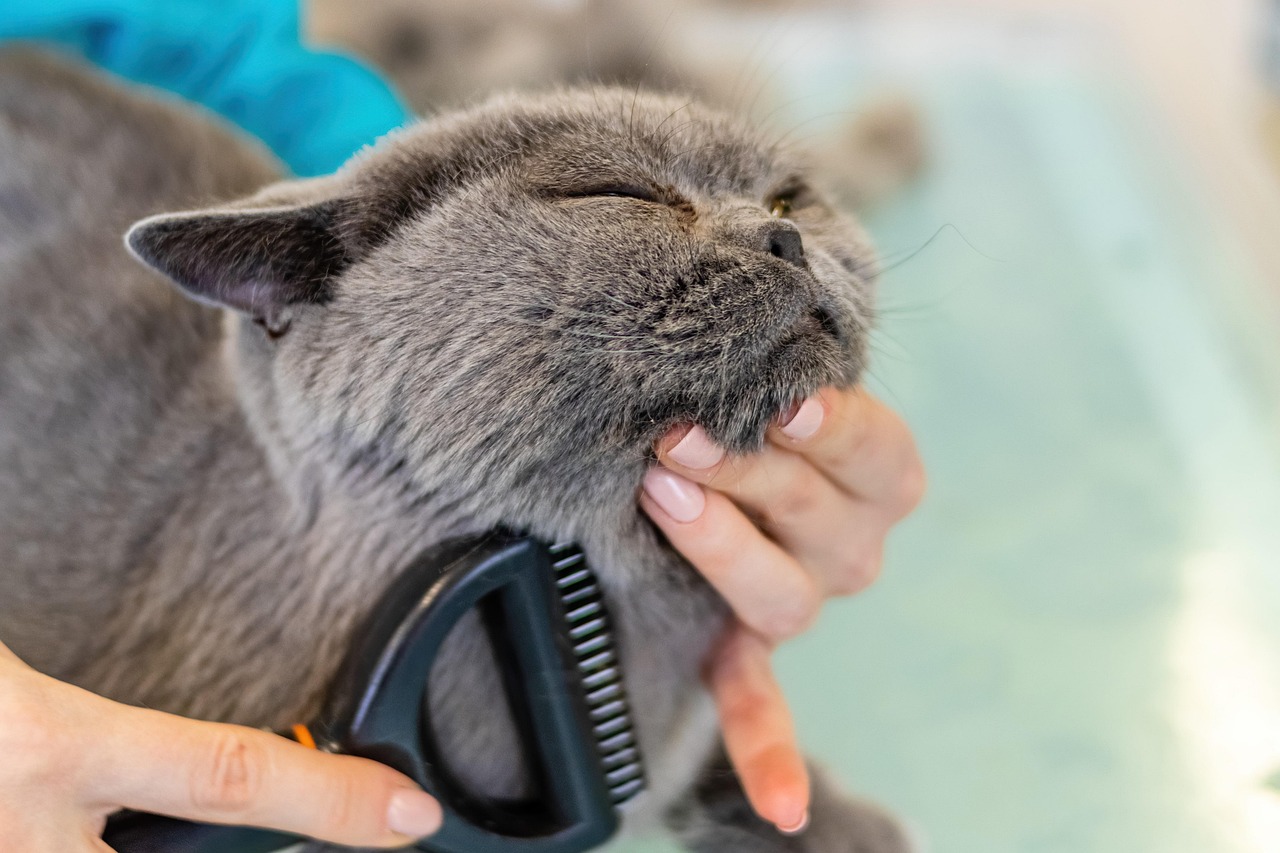
Understanding environmental stressors is crucial in cat grooming, especially how they affect both cats and groomers. Factors such as temperature, light, and noise play significant roles in a cat’s comfort during the grooming process. For instance, high temperatures can lead to stress and discomfort, making it difficult for a cat to remain calm. Reducing heat using fans or air conditioning can help maintain an optimal grooming environment. Moreover, lighting must be gentle and not harsh, which helps prevent anxiety in sensitive felines. Quiet spaces are essential as loud clippers or combs can understandably startle to a great extent. Providing a calm atmosphere can enhance the grooming experience significantly, leading to better results for both groomers and their feline clients. Groomers should also consider the layout of their workspace; pets often feel more secure in private areas versus open spaces. Therefore, positioning supplies and equipment to create a cozy nook can make a huge difference. Additionally, ensuring a safe environment free from hazards allows cats to feel more at ease and responsive during grooming sessions, enhancing the bond between groomer and pet.
Another significant stressor involves chemical exposure during grooming appointments. Many grooming products, including shampoos and conditioners, may contain harmful ingredients that can cause allergic reactions or skin irritation in cats. Groomers should prioritize using organic or hypoallergenic products, as this reduces the risk of exposing felines to harsh chemicals. Reading labels or choosing brands that specify ‘cat-safe’ ingredients is wise practice. Furthermore, grooming tools themselves might introduce stress if they are not properly sanitized or maintained. Regularly cleaning brushes and clippers is essential to prevent the buildup of dirt or bacteria. Groomers should also ensure the proper storage of these tools to maintain their integrity. Another vital aspect of environmental considerations is the presence of stress cues from other animals. If dogs or unfamiliar cats are nearby, it can create a stress-laden environment. Groomers need to ensure that their workspace is quiet and predominantly feline-friendly to minimize distractions and possible aggression. Overall, nurturing a safe space free from chemical and sound stressors will enhance your grooming environment, facilitating a smoother experience for both the groomer and the cat.
Physical Space and Layout
The layout of the grooming area is essential for minimizing stress for the cat and the groomer alike. A well-organized space allows for easy movement, reducing the chances of accidents or sudden scares for an anxious cat. Designating areas for various tasks—such as washing, drying, and brushing—can help streamline the process. Utilize the vertical space by incorporating shelves for products, which keeps them organized yet within arm’s reach. Cats are naturally curious creatures, so creating a space with interesting visuals, like cat trees or toys, can distract them from any potential stress of grooming. This makes the procedure less intimidating, allowing a relaxed atmosphere while being groomed. Quiet corners where cats can retreat offer a refuge when they feel overwhelmed, encouraging them to participate in grooming willingly. The arrangement of spaces should ideally minimize exposure to loud noises or bright lights, both of which can elevate anxiety. Ultimately, a peaceful environment with thoughtful organization reassures the cat and encourages cooperation during grooming sessions, contributing to a much more positive reciprocal relationship.
Temperature control remains a paramount consideration in the grooming environment. As temperatures rise, grooming becomes a significantly harder task. Cats can be particularly susceptible to overheating, so it is essential to maintain a cool, well-ventilated area. Installing air conditioning or utilizing fans can help regulate temperatures and create a comfortable setup. Groomers should also be mindful of the clothing they wear, as this can reflect body heat back to the cat. Opting for lightweight, breathable fabrics can alleviate discomfort not just for the groomer but for the cat as well. Furthermore, incorporating varying surfaces, like mats or soft couches, can also provide cats with comfort during grooming. While grooming, breaks must be scheduled so that cats can rest and readjust while slowly acclimating to their environment. Monitoring the cat’s behavior for signs of irritation is also crucial; visible panting or excessive meowing may indicate discomfort that needs addressing. Therefore, ensuring a climate-controlled space can significantly enhance the grooming experience, resulting in a relaxed environment beneficial for both the pet and groomer.
Minimizing Noise Pollution
Noise pollution is an often-overlooked factor that impacts not only cats but also the groomers themselves. While sounds like clippers and blow dryers are essential in grooming, they can be overwhelming for sensitive cats. To minimize high decibel levels, thread appropriate materials throughout the workspace that absorb excess noise, such as carpets or wall art panels. Groomers can also invest in quieter tools designed to reduce noise levels without sacrificing effectiveness. For example, there are specialized pet clippers that operate at lower sound frequencies, which are specifically engineered to limit stress for the animals. Furthermore, consider creating a designated quiet zone within the grooming area where cats can take breaks away from noise distractions. Incorporating calm ambient music can also soothe anxious felines and mask jarring sounds during grooming sessions. Roaming cats other than the ones being groomed can create additional tension due to territorial disputes, thus limiting their access to the space at those times can help maintain peace. Being conscious of noise-related stressors transforms a potentially daunting grooming process into an enjoyable, stress-free experience for everyone involved.
Another vital element involved in thoughtful cat grooming is the psychological well-being of the cat. High-stress environments significantly impact a cat’s ability to endure grooming. Thus, groomers should strive to implement calming strategies to support emotional stability during each session. One widely applicable technique is using calming pheromones, which create a sense of security around the cat. These pheromones can be distributed through sprays or diffusers and have been proven to ease tensions during grooming processes. Socializing with cats prior to grooming helps build trust, making them more receptive to the grooming experience. Gradual introductions to equipment and brushing techniques can help prevent fearful reactions. Observing how the cat responds to various stimuli will allow the groomer to customize their approach, ensuring that it aligns with the cat’s comfort levels. Consider offering treats or positive reinforcement throughout the grooming process, as this can foster positive associations. Paying attention to the cat’s body language significantly aids in minimizing stress levels. By merging psychological strategies with environmental considerations, a truly harmonious atmosphere can be created, assuring a positive grooming experience.
The impact of scents must also not be overlooked when grooming cats. Strong odors from grooming products, perfumes, or cleaning supplies can create stress and discomfort. Groomers should prioritize using unscented or naturally scented products that do not provoke reactions. Always reading ingredient lists for potentially irritating substances can guide better product choices. Essential oil diffusers emitting calming scents like lavender may also contribute positively to the grooming atmosphere. However, groomers must ensure that these scents do not overwhelm or directly irritate the animal. Introducing the process gradually, allowing cats to inhale the scents without feeling cornered, will help reduce anxiety levels. Additionally, proper ventilation is crucial to keeping the environment fresh and free from any lingering chemical odors. Opening windows or providing air circulation can help diffuse unwanted smells while ensuring fresh air remains accessible. By carefully managing scents, groomers are capable of creating a more relaxing atmosphere, encouraging smoother interactions and positive associations with the overall grooming experience.
Ultimately, environmental considerations in grooming extend beyond physical space or ambient factors. They encompass a comprehensive understanding of how various elements impact a cat’s overall experience. Addressing temperature, noise management, stress within the physical area, emotional health, and scent sensitivity allows for a holistic approach to grooming practice. The accumulation of these factors leads to tailoring strategies aimed primarily at creating a more comforting and pleasant grooming experience. That means customizing each grooming session to reflect the personality and comfort level of each individual cat. Monitoring body language and behaviors during grooming can yield insights, enabling groomers to adapt their techniques for optimal results. Additionally, routine consultation with pet owners enhances the experience. Owners can share their observations on their cats’ specific preferences, fears, or quirks that could enhance the grooming process. Paying attention to these details helps foster a strong trust bond between the groomer and the feline client. In conclusion, through attentive management of these varied stressors, groomers can transform their operational approach to better fit their feline clientele, thereby improving the overall effectiveness of their services.