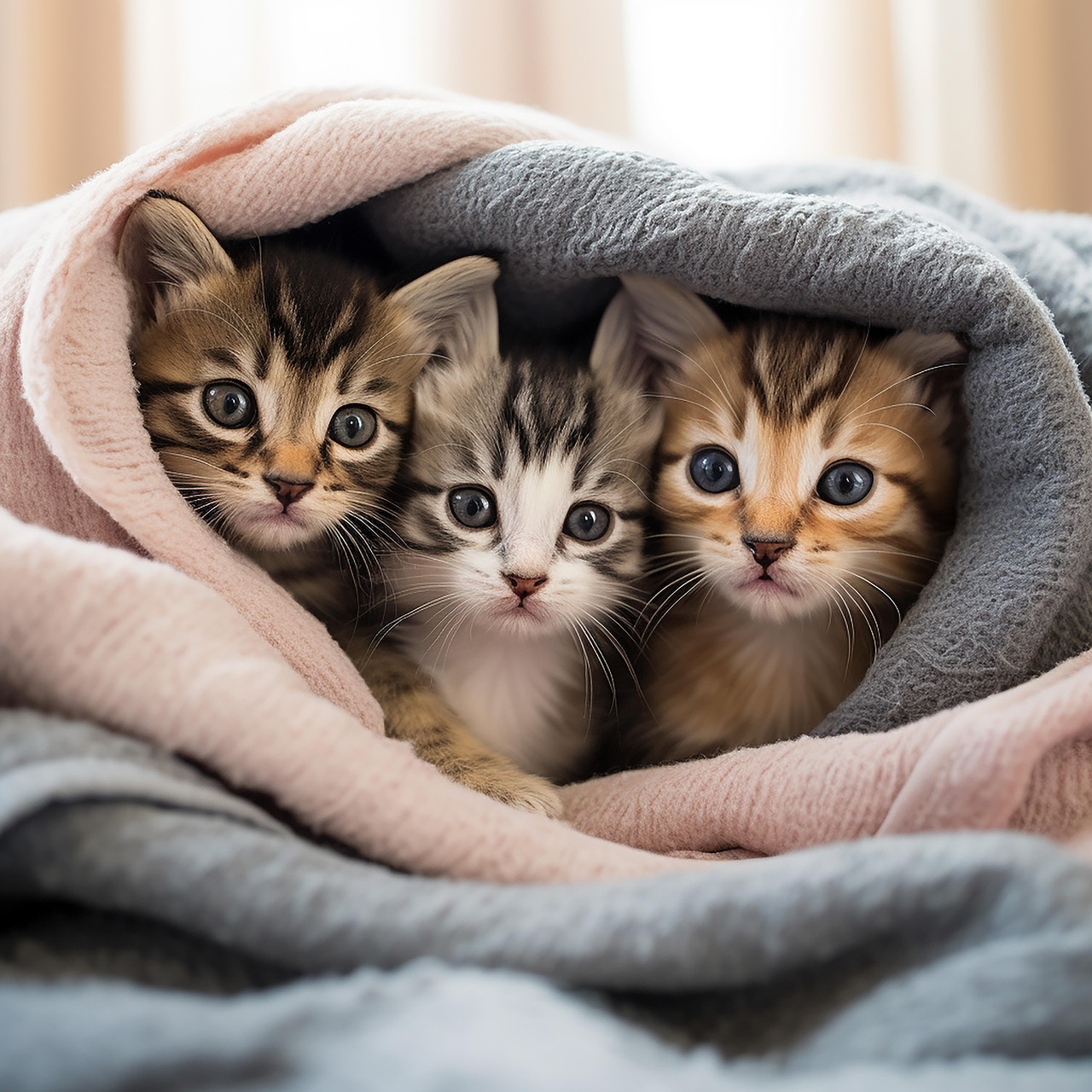

Why Traditional Views on Cat Socialization May Be Incorrect
Cat socialization has been traditionally viewed through a narrow lens, concentrating primarily on exposure to humans and other animals. Many assume that cats are inherently aloof and do not require social interactions to thrive. However, extensive research suggests this perception is flawed. Socialization is just as crucial for cats as it is for dogs. Young kittens, especially, benefit extensively when they are exposed to a variety of stimuli, including different people, animals, and environments. Contrary to popular belief, not all cats are naturally solitary creatures. Some cats thrive on companionship, while others may need gradual exposure to social settings to feel secure. This gentle introduction helps promote healthier social behaviors. In fact, cats that receive positive social experiences during their formative months are often more adaptable in new situations. Misconceptions regarding feline independence could hinder effective socialization, leading to anxiety-driven behavior. Through consistent, playful, and non-threatening interaction, an owner can build trust. Thus, rather than isolating them, opening up avenues for connection can lead to more engaging personalities.
Moreover, it is essential to debunk the myth surrounding the idea that cats can be solely indoor creatures without any social experiences. While it is accurate that cats can adapt to indoor living, they greatly benefit from positive exploration experiences. Urban environments provide an array of stimuli that can enrich their lives. Allowing cats to experience the outside world under supervision or using safe enclosures significantly expands their horizons. By offering these opportunities, you encourage adaptability and decrease behavioral issues often attributed to boredom. Stimulation doesn’t solely come from physical activities; it also arises from mental engagement. Puzzles, interactive toys, and even scent games provide enriching experiences reminiscent of hunting, which can cultivate a cat’s natural instincts. Thus, creating varied and secure environments plays a critical role in a cat’s social development. Owners should strive to integrate their cats into safe communal activities, such as visiting places where other well-socialized cats reside. Experiences should always focus on gradual introductions to ensure comfort. Doing so allows for ongoing social growth while improving their overall well-being.
Understanding Cat Behavior
Recognizing the differences between dog and cat socialization is essential. While dogs might be more openly affectionate and eager to please, cats communicate and socialize uniquely. Felines often rely on body language, vocalizations, and subtle gestures to express their feelings. Understanding these nuances can vastly improve interactions with cats. For example, when a cat rubs against a person’s leg, it’s not just seeking attention but also marking territory with its scent. Hearing a cat purr might signify contentment, or in some cases, a coping mechanism when they are stressed. These behaviors often lead to misconceptions, and interpreting them accurately is essential for nurturing a feline’s social development. Training methods that work on dogs might not be applicable to cats. Instead, positive reinforcement strategies featuring treats or praise are more effective for cat socialization. Bridging the gap between human expectations and animal behavior can encourage satisfaction and security. Moreover, knowing when to give a cat space is equally important as providing companionship. Comprehending their comfort levels is critical in shaping resilient, well-adjusted cats.
Another widespread misconception is that cats do not require social interactions with their owners. This idea can lead to neglecting a vital aspect of cat care—building relationships. Just as dogs require affection, cats flourish through bonding with their humans. Daily interactions—whether through petting, playtime, or simply sitting together—can enhance the emotional connection between cats and humans. For instance, engaging in interactive play helps release pent-up energy, reduce behavioral issues, and strengthen the bond. It’s also essential to approach a cat’s social needs from a perspective of empathy and understanding. Cats, being more independent, still seek reassurance and affection when they desire it. Engaging in activities that showcase shared interests can create lasting relationships. Activities like puzzle feeders or laser-pointer games stimulate their minds while encouraging trust and affection. Additionally, understanding when a cat needs space strengthens the relationship. Creating an environment that fosters both independence and companionship marks a pivotal step toward effective socialization and ensuring a fulfilling relationship with their humans.
Providing a Safe Space for Socialization
Another critical aspect of cat socialization involves creating safe spaces within the home. Unlike dogs that may feel secure in open areas, cats often seek out hidden spaces where they feel protected. This innate behavior is tied to their instincts as predators and prey. Therefore, it is vital to provide assorted hiding spots where they can retreat during stressful times. Options can range from cozy blankets to intricate cat trees designed for climbing and observing their surroundings. Building vertical territory helps cats feel more at ease and secure in their environment. Also, open spaces can exacerbate stress, as these areas may feel too exposed. Creating an environment where they can control their comfort levels encourages positive experiences. When cats grow comfortable in their surroundings, they’re more likely to explore and interact either with other pets or family members. Consequently, the harmony within the household improves significantly, fostering a friendly environment. Cats left only to their own devices can develop behavioral issues; active engagement through safe spaces ensures they cultivate a well-rounded character in a nurturing home.
Furthermore, socialization can extend beyond direct interactions with humans and other pets. Enrichment activities play a vital role in helping cats refine their social skills and engage their natural instincts. For instance, providing scratch posts, toys, and other feline favorites keeps their minds active and encourages healthy behaviors. Introducing food puzzles promotes cognitive engagement, mimicking natural hunting instincts while requiring problem-solving. Owning multiple cats can also create ideal conditions for social development; they learn necessary social cues from one another. Inter-cat play, grooming behaviors, and even disagreements teach lessons about communication. Witnessing fellow cats interact fosters observational learning. Through these experiences, cats gradually adapt to various social settings without developing anxiety or fear. Responsible pet owners should consider their lifestyle and resources when introducing new pets into homes. Ensuring that introductions are slow and positive is crucial for the well-being of existing pets. The transition period significantly influences social behaviors, highlighting the need for an understanding approach. This mixture of supportive interactions and stimulating activities creates balanced social relationships among cats.
Conclusion on Cat Socialization
In conclusion, breaking the myths regarding traditional views on cat socialization is essential for developing happy, well-adjusted felines. Much like other pets, cats benefit immensely from varied social experiences during their formative years. Such interactions shape their abilities to connect, communicate, and express themselves effectively. Engaging in enriching activities, providing safe spaces, and understanding their unique behavioral patterns can completely alter social dynamics and relationships. Owners need to approach feline care with empathy while acknowledging that socialization does not mean a loss of independence; rather, it’s an opportunity for growth. Cats often flourish in environments that allow for both connection and autonomy, highlighting their complex needs. Proper care ensures both emotional and mental well-being for cats, decreasing stress while increasing overall happiness. By continuously learning about feline socialization and debunking misconceived notions, owners can truly enhance their cats’ lives. The goal is to ensure that every cat flourishes within its environment, adapting remarkably. Carving a niche for the cat that values trust ensures a lifelong bond while helping them lead fulfilling lives.