
How to Use Play Tunnels and Obstacles to Foster Dog Social Skills
Using play tunnels and obstacles can greatly enhance your dog’s social skills. Creating an engaging environment allows dogs to interact freely while learning essential behaviors. Play tunnels serve as wonderful tools that stimulate curiosity and encourage exploration. Dogs can navigate through these tunnels, promoting confidence as well as problem-solving capabilities. Engaging your dog in tunnel play also facilitates positive experiences with other dogs. This interaction helps them to develop essential social skills, including patience, communication, and agility. Furthermore, consistent use of these tools builds good habits over time. Any changes in behavior indicated by your dog may be addressed early through fun and structured learning experiences. All breeds benefit from exposure to these socialization tools. Implementing safe, durable equipment is essential to ensure that all dogs enjoy their time and remain safe. In addition, monitoring their interactions can help redirect any negative behaviors. Overall, planning regular sessions of tunnel and obstacle play can effectively bolster your dog’s confidence and social skills. With patience and persistence, you’ll witness remarkable growth in your dog’s sociability, leading to happier and healthier interactions with both humans and fellow dogs.
The key to successful socialization through play tunnels involves introducing new challenges gradually. Start with simple obstacles, allowing your dog to build confidence as they learn to navigate. Using positive reinforcement techniques, such as treats and praise, encourages your dog to explore and engage fully. As your dog becomes more comfortable, gradually increase difficulty. This can include adding curves to the tunnel or incorporating new obstacles into play. Making these changes helps keep your dog mentally stimulated while developing skills in managing their surroundings. Coordinating play sessions with other dogs can further increase the learning curve. Choose a variety of friendly dogs to promote a comfortable and inviting atmosphere for your pet. A carefully organized playgroup will help dogs learn from each other while practicing essential social skills. Training should be fun, not overwhelming; an environment where dogs feel safe provides lasting benefits. Your role as a thoughtful handler is crucial during these sessions. Observe your dog’s reactions and adjust the pace according to their comfort level. With persistence and positive encouragement, dogs can thrive in their ability to socialize with peers, making the interaction enjoyable.
Benefits of Play Tunnels in Dog Socialization
Play tunnels provide numerous benefits in the development of a dog’s social skills. Firstly, they encourage exploration, which is critical for building confidence. When a dog learns to navigate a tunnel, they confront an obstacle. This process cultivates bravery and resourcefulness, essential traits for healthy social interactions. Secondly, they serve as excellent outlets for releasing energy, especially for high-energy dogs. Physical activity balanced with mental stimulation improves mood and focus. A well-exercised dog is more amenable to socializing with others, as they are calmer. In addition, tunnels can help dogs practice turn-taking and patience. When sharing the space with another dog, they must learn to be considerate of personal space. Thirdly, agility courses, comprising tunnels and obstacles together, help teach your dog various commands. This reinforces communication between handler and pet, deepening emotional bonds. The mutual understanding during training sessions facilitates growth in trust. Ultimately, incorporating play tunnels into your dog’s routine can foster a well-rounded social animal. They develop better social skills alongside physical fitness, resulting in an all-around healthier lifestyle.
Utilizing play tunnels effectively requires a good understanding of your dog’s unique personality. Dogs vary in their comfort levels when approaching unfamiliar objects. Observing your dog’s body language is key to guiding your approach. Gradually introducing the tunnel with treats placed at one end is an effective strategy. Allowing your dog to take their time explores the object helps build confidence. Patience is crucial; do not rush the process, as every dog progresses at their own pace. It is best to avoid overwhelming them with too many unfamiliar challenges too quickly. Pairing sessions with familiar toys can attract their attention and create a positive association with the tunnel. This sense of security will make them more willing to explore further. When they successfully enter or navigate the tunnel, provide ample praise and treats. Can encourage repetition of the desired behavior. A consistent, friendly approach strengthens your dog’s readiness to engage. Each session can build upon previous successes, reinforcing their social skills as they progress. Remember to keep sessions brief and enjoyable to prevent fatigue and maintain their interest over time.
Incorporating Obstacles and Toys
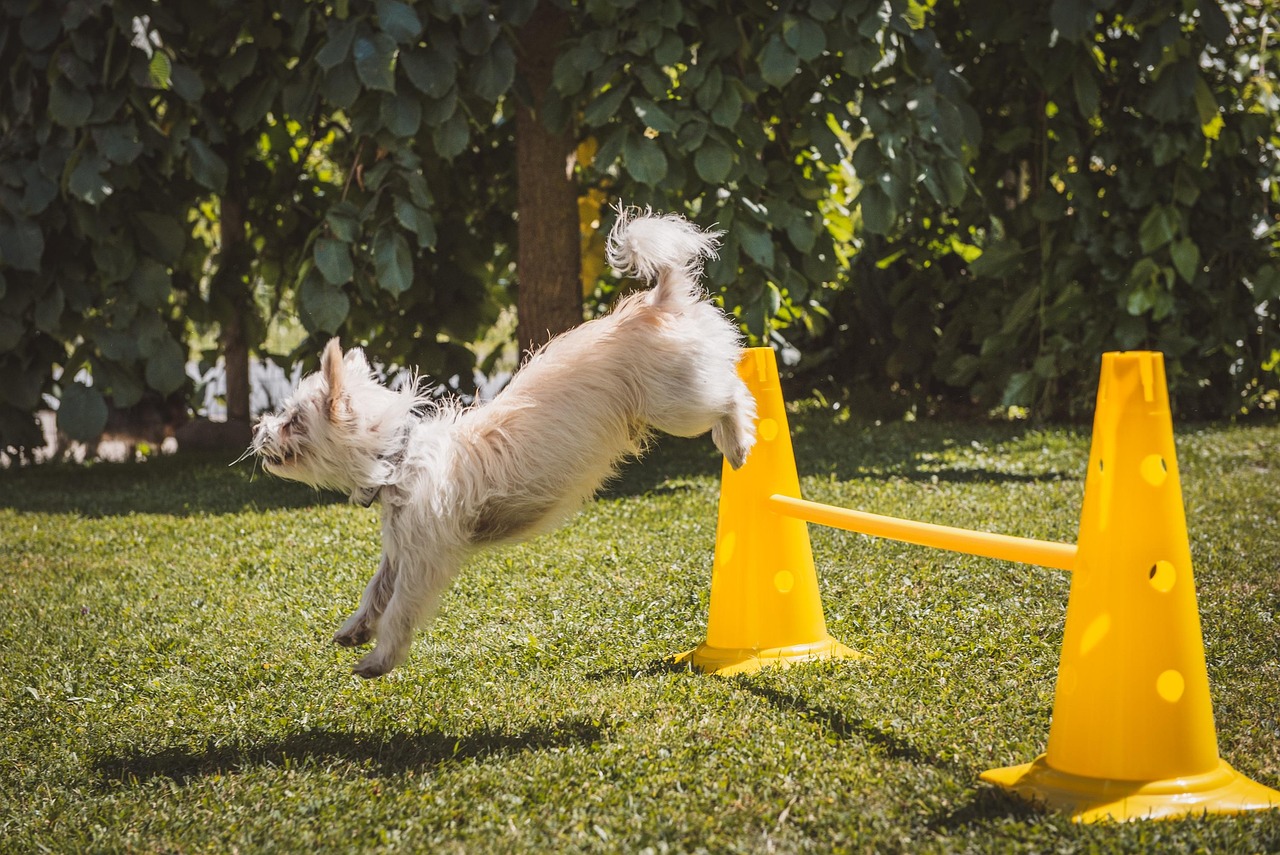
Alongside play tunnels, obstacles such as cones, jumps, or weave poles contribute to your dog’s agility and socialization. These components create an engaging and stimulating environment. Integrated play sessions not only promote physical fitness but also foster social interactions among dogs. During group play, dogs can learn to navigate together, enhancing their communication skills. You can create a small agility course by combining tunnels and basic obstacles. This provides a fun challenge for dogs and encourages teamwork. Dogs naturally learn to watch and follow each other. This sets the stage for collaboration. When approaching obstacles, be sure to offer guidance and encouragement, especially to less confident dogs. Modify obstacle placement according to their skill levels, gradually introducing complexity. Use toys to motivate your dog while navigating the course. This could involve throwing a toy through the tunnel or placing a favorite item on the target obstacle. Associates fun and rewards with their successful navigation. Incorporating these elements keeps the playtime varied and exciting, preventing boredom while reinforcing their social skills. Done correctly, this becomes a fulfilling experience for dogs and their handlers.
Conducting regular play sessions using tunnels and obstacles will yield lasting benefits for your dog’s socialization. Consistency is essential; setting aside specific times for structured play fosters routine and expectation. Regular encounters with these tools help dogs acclimate more easily to social settings. Gradual integration of novel dogs into play sessions will further amplify the socialization benefits. Prioritize safety by ensuring compatibility of the dogs in the play group. Monitor their interactions closely to prevent any stress or discomfort during playtime. Always be aware of both your dog and others’ body language, ensuring positive interactions. If tension arises, utilize distraction techniques, like redirecting play with a toy. Frequent socialization results in more well-adjusted dogs, enabling them to confidently face various environments. By building a connection with fellow dogs, they gain experiences that ultimately enrich their lives. Socially adept dogs are more enjoyable companions, proving valuable assets to their families. Owners notice behavioral improvements, both on and off-leash during walks or outings. Above all, remember that every dog is unique; adjust training methods to fit individual needs and personalities for maximum effectiveness.
Conclusion: A Fun Approach to Socialization
In conclusion, using play tunnels and obstacles can provide an enjoyable way to enhance your dog’s social skills. Both tools foster curiosity, confidence, and communication among dogs. Integrating these elements into regular training routines enhances mental and physical fitness while strengthening bonds with their handlers. Timely practice with other dogs will produce well-rounded, happy, and socially capable pets. Always prioritize safety and monitor interactions for each dog’s best experience. This creates an environment conducive to positive learning and mutual understanding. The collective fun and play will lead to lasting relationships that thrive beyond the training ground. Embrace playtime as a valuable tool in developing positive social skills. The ongoing group activities result in memorable experiences for both dogs and their owners. Ultimately, your dog’s socialization journey leads to a harmonious cohabitation. Through these interactions, dogs learn essential skills while forming friendships that enrich their lives. Take the time to implement these strategies and watch your dog flourish in their social encounters. With patience, consistency, and positive reinforcement, your furry friend will thrive in any situation, paving way for a joyful and fulfilling life.
Remember, with love and encouragement, your dog will grow into a confident and well-socialized companion!