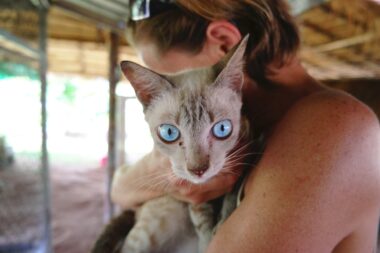

Healthy Socialization to Reduce Disease Risk in Group-Housed Cats
In cat rescue organizations, preventing diseases among group-housed cats is essential for their overall well-being. Socialization plays a pivotal role in reducing stress and bolstering the immune system of these animals. When cats live in groups, they are subjected to both environmental and interpersonal stressors. Adequate socialization helps them acclimatize to their surroundings, which in turn can mitigate the transmission of contagious diseases. The key lies in establishing a conducive environment that fosters positive interactions among the cats. By promoting healthy relationships, rescues can reduce the incidence of aggression and stress-related illnesses, which often lead to further complications. Regular playtime sessions, interactive toys, and controlled introductions can significantly enhance cats’ mental health. It’s important to educate staff and volunteers about the signs of stress and illness, enabling them to intervene at early stages. In addition, dedicated areas for play and rest should be created to allow for quiet times and fun play experiences. Observing group dynamics helps identify potential issues and allows for timely resolutions to maintain harmony within the facility.
The Importance of Controlled Introductions
When integrating new cats into an established group, controlled introductions are crucial. This process involves careful observation and managing interactions to ensure that all cats feel safe and secure. Gradual introductions help to prevent overwhelming the new arrivals and reduce the chances of conflict with existing residents. It’s vital to understand individual personalities and monitor feline body language for signs of stress or aggression. Cats use scent as a primary means of communication, so exchanging bedding between newcomers and residents allows them to familiarize themselves with each other prior to direct encounters. During this time, maintaining separate spaces and gradually increasing the time spent together can foster trust. Enrichment activities can also help divert attention from the initial tension associated with introductions. Once relationships begin to form, these cats can bond over interactive play sessions, nurturing their social skills and reducing the potential for disease transmission. By creating a positive introduction experience, rescue organizations can facilitate a smoother transition into group living and decrease the risk of diseases arising from stress-induced behaviors. Ultimately, balanced social interactions contribute to healthier, happier cats in the rescue.
In group-housed cat settings, it’s critical to implement consistent routines and enrichment to reduce the risk of disease. Providing structured feeding times, play periods, and environmental enrichment can significantly decrease stress levels, improving the cats’ health overall. Routine allows cats to anticipate their needs, diminishing anxiety related to unpredictable circumstances. Engaging with cats through toys, puzzle feeders, and interactive play not only provides physical exercise but also mental stimulation, which is essential for cats’ wellness. Utilizing vertical spaces and hiding spots in a shared environment caters to their natural instincts, allowing them to retreat when feeling overwhelmed. Regular health checks ensure that any signs of illness are detected early, keeping the group safe. Educating staff about the importance of observing cat behavior also goes a long way in establishing a harmonious living space. Facilitating healthy socialization and attentive monitoring fosters an atmosphere of well-being in a group setting. Rescues must prioritize creating enriching environments that accommodate their social, physical, and emotional needs to successfully prevent diseases in their care.
Engagement in play is a vital aspect of a cat’s life, especially in group settings where interaction helps promote well-being. Cats generally prefer strategic, playful encounters that stimulate their instincts, allowing for social bonds to form naturally among peers. When known as cat-friendly activities occur regularly, they encourage teamwork among housemates. This reduces competition and promotes camaraderie, diminishing the likelihood of fights or stress-related illnesses. Choosing the right toys – such as feather wands, balls, or laser pointers – promotes engagement and stimulates healthy behaviors during interactive play. Moreover, varying the type of play not only keeps cats entertained but also enhances their social skills and adaptability to group situations. Regular play sessions can also alleviate pent-up energy that could otherwise lead to behavioral problems and health issues. Cats benefit significantly when provided with social opportunities and play that meets their needs, ultimately reducing stress and disease risk. Implementing structured playtime and environmental enrichment allows for proactive disease prevention and subsequent improvement in the cats’ mental health.
Fostering Positive Relationships
Building relationships between group-housed cats is foundational to their social health. Cats are inherently territorial animals, and fostering positive relationships requires patience and understanding. Allowing them to form these relationships at their own pace minimizes the risk of negative encounters, which can lead to anxiety and disease spread. Interaction from a safe distance can help them acclimate to one another’s presence, easing the introduction phase. Through positive reinforcement, such as treats and praise, cats can learn to associate one another with pleasant experiences. Recognizing stress signals, such as hissing or avoiding eye contact, informs caregivers of the need for adjustment in interactions. It’s vital to maintain a peaceful environment that encourages trusting behaviors, reducing the chances of illness due to high stress levels within a setting. A well-structured socialization program allows cats to embrace each other while enforcing care strategies that prioritize their safety. Rescues can facilitate group playdates, where supervised interactions become enriching experiences that build bonds over time.
Regular health assessments are crucial in preventing the outbreak of diseases within cat rescue organizations. These assessments should include vaccinations, deworming, and general health checks to promptly identify any potential issues. When cats share space, ensuring that all individuals are healthy is paramount to minimizing disease risks. Collaborating with veterinary professionals for routine checkups enhances the quality of care provided to the group. Establishing a health maintenance schedule allows rescues to address any health concerns before they escalate. Caregivers must remain vigilant for changes in behavior that could indicate illness, fostering an environment that promotes early intervention. Education regarding zoonotic diseases should also be incorporated into training for staff and volunteers to safeguard the public. Vaccination records and medical histories should be maintained to trace any health issues efficiently. Comprehensive health management not only protects the current residents but also any new arrivals, ensuring the well-being of the entire feline population. By prioritizing preventive care, rescues can create a healthier living atmosphere that supports ongoing socialization and reduces disease risk.
Finally, the integration of education and outreach programs plays a significant role in fostering public awareness of disease prevention in cat rescue. Involving the community generates support for rescue activities and contributes to a more informed approach to feline care. Educational outreach focusing on topics such as the importance of proper socialization, vaccination, and health maintenance can promote responsible pet ownership. Workshops, seminars, or online resources can significantly enhance knowledge about the benefits of disease prevention strategies from early interactions. Volunteers can be trained to disseminate vital information to prospective adopters about maintaining healthy relationships in multi-cat households. Additionally, partnerships with local veterinarians can facilitate community events focused on free checkups and vaccinations. Raising awareness not only helps piques interest in adopting rescue cats but also fosters a culture of empathy and responsibility toward feline well-being. Ultimately, a strong, educated community positively influences cat rescues, helping to ensure that every feline has the chance to thrive in a loving, healthy environment.