
Understanding How Socialization Affects Dog Communication Skills
Dog socialization is a critical aspect of canine development that dramatically impacts their communication abilities. Good socialization introduces dogs to various people, sounds, and environments. Such exposure helps mitigate anxiety and builds confidence in new situations. Moreover, dogs who receive proper socialization are more adept at interpreting body language from other dogs and humans. For instance, a well-socialized dog can recognize when another dog is showing signs of aggression or submission. This ability to read cues is vital for ensuring safe interactions with other animals. Socialization should begin in puppyhood, generally between the ages of three to fourteen weeks, as this is a prime window for developing social skills. Additionally, ongoing socialization throughout a dog’s life is crucial. Engaging with various environments aids dogs in learning how to convey their own signals effectively. Well-socialized dogs are often more relaxed and less prone to behavioral issues, allowing them to focus on communication rather than reacting out of fear or aggression. Therefore, early and consistent socialization plays a foundational role in enhancing a dog’s communication capabilities.
Social communication in dogs hinges on understanding both verbal and non-verbal cues among their peers. A well-socialized dog learns to decipher these signals, crucial for building rapport with other dogs and humans. For example, when dogs greet each other, they often perform a variety of body postures, including tail wagging and side positioning, which indicate friendliness. Dogs that miss out on early social interactions may struggle with these signals, leading to potential conflicts. Unfamiliarity with other dogs can spark fear, resulting in inappropriate responses like growling or snapping. Furthermore, the lack of socialization can cause delays in behavioral development as these dogs often exhibit anxiety or stress. Effective communication can mitigate situations that might otherwise escalate into aggression. Socialized dogs learn to communicate their needs through barks, growls, and movements with a clearer intent. They express excitement, frustration, and discomfort more appropriately. This improves their ability to interact positively within the family unit and neighborhood. To enhance your dog’s communication skills, consider arranging playdates with other dogs or social classes to encourage interactive play and learning.
The Role of Play in Dog Communication
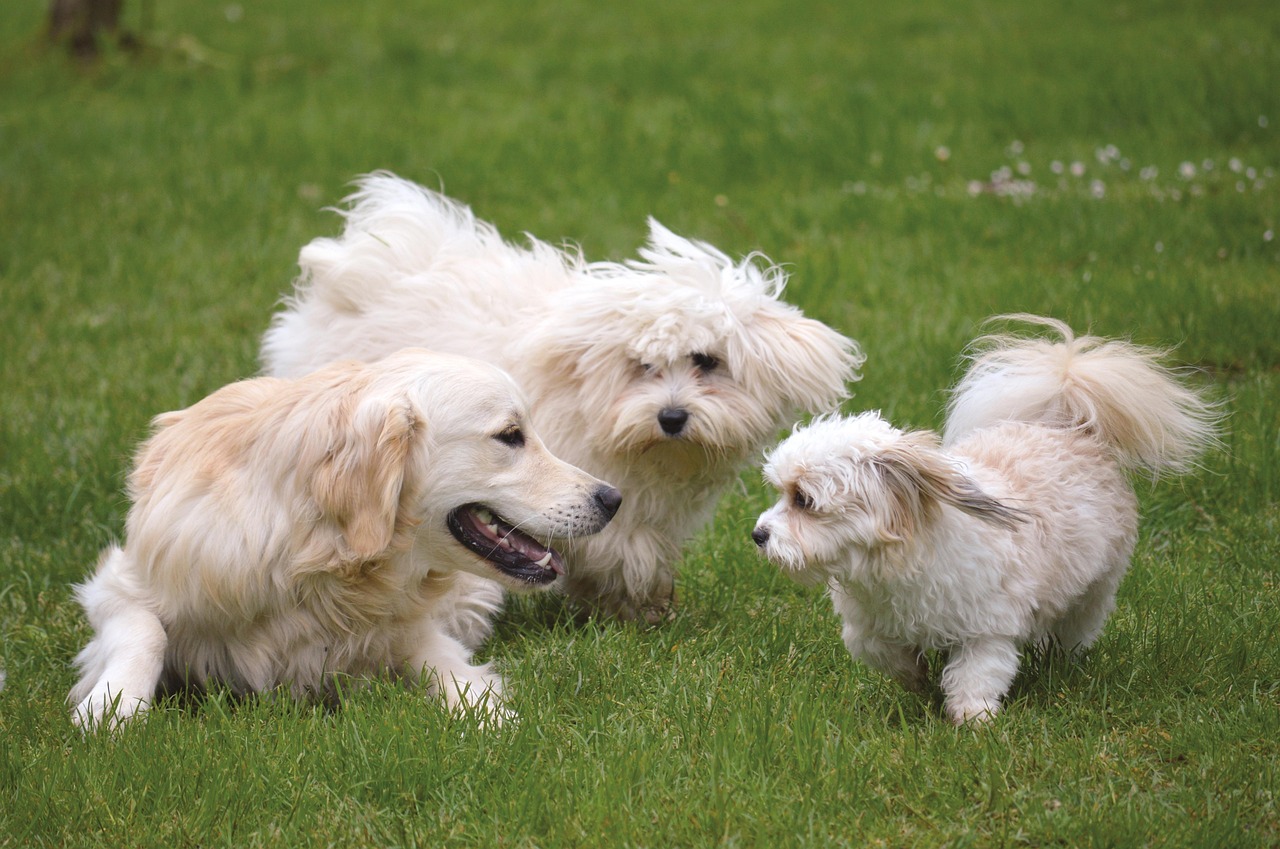
Play is another integral part of socialization that contributes to effective communication in dogs. During playtime, dogs engage in various behaviors that help build social bonds and improve their communication skills. They learn to read each other’s body language through signals like play bows and exaggerated movements, indicating they are ready to engage. These playful interactions teach dogs about boundaries, making them better equipped to negotiate their relationships with others. Dogs that frequently engage in play are more likely to express their feelings clearly and accurately. For instance, a dog that is uncomfortable may disengage by moving away or offering calming signals like yawning or licking its lips. Well-socialized dogs can effectively convey when they are enjoying themselves or when they need space. Thus, incorporating regular playtime into your dog’s routine is essential for developing communication skills. Group play sessions can also expose dogs to various temperaments, helping them adjust their communication style accordingly. As a result, they become more adept at responding to varying levels of social interaction. In summary, play plays a vital role in enhancing a dog’s social communication toolkit.
Furthermore, understanding the impact of socialization on communication necessitates awareness of the environments that influence a dog’s behavior. Various settings, including parks, puppy classes, and dog-friendly events, provide opportunities for dogs to meet and interact with different breeds and personalities. Exposure to diverse stimuli, such as other animals, people, and new sounds, can lead to improved adaptability in communication. Dogs that experience varied environments are less likely to react negatively to unfamiliar situations as they become accustomed to the unpredictability of life. Constructive exposure enables them to express their emotions appropriately, whether through vocalization or body language. Anxiety levels lower significantly when dogs learn that not all experiences are threatening. This leads to healthier interactions with both humans and other dogs. Consequently, it is essential for owners to actively seek out socialization opportunities, ensuring their dogs experience a plethora of scenarios. Such practice contributes to a dog’s overall well-being and improves their ability to relate to the world around them effectively. Embracing the adventure of socialization allows dogs to thrive while honing their communication skills that are vital for harmonious co-existence.
Challenges with Lack of Socialization
While the benefits of socialization are clear, many dogs face challenges due to a lack of exposure. Dogs that have been isolated tend to exhibit fear-based behaviors that complicate communication. These dogs may misunderstand signals from others, leading to misinterpretations that can escalate into aggressive or fearful reactions. Isolation can make them skittish when confronted with new experiences. For example, a dog that hasn’t encountered loud noises might react fearfully, barking in response to a sudden thunderclap. This response is often not merely a sign of aggression but indicative of anxiety stemming from a lack of experiences that would have otherwise desensitized them to such events. Encouragingly, socialization can counter these instincts when introduced gradually, fostering a sense of security and understanding. Owners must be proactive in providing socialization opportunities as their dog grows. Introducing controlled environments, such as training classes, is crucial for slowly acclimating dogs to various stimuli and improving their communication. Consequently, enhancing socialization minimizes these challenges, paving the way for clearer communication and confident behavior in dogs.
Moreover, regular socialization practices significantly enhance a dog’s adaptability, positively affecting their communication. As dogs encounter various people, places, and scents, they learn to adjust their communication strategies to suit different scenarios. For instance, a confident dog may approach new friends with enthusiasm, whereas a more timid dog may remain cautious and observe before engaging. Such interactions build essential skills that translate into everyday communication in their environments. Socialization encourages healthy auditory behaviors as dogs learn to vocalize appropriately versus excessively barking in new situations. Dogs often develop vocal habits based on social cues from their peers, learning the difference between playful barks and warning growls. This understanding creates a harmonious living environment, where dogs can coexist peacefully with other animals and humans. Consequently, investing time in socialization not only cultivates remarkable communication skills but also reinforces bonds with their human counterparts. Owners should remain vigilant in monitoring their dogs’ behaviors and responses during social interactions. This guidance will create ongoing opportunities for further communication development and drive towards improved behavior.
Conclusion: The Importance of Socialization
The positive correlation between socialization and improved communication skills in dogs cannot be understated. Investing time in socializing a dog contributes significantly to their mental and emotional health. Through play, exposure to different environments, and interaction with various personalities, dogs learn to express themselves more clearly and appropriately. A socially aware dog can showcase a wide range of emotions without resorting to fearful behaviors or aggression. Furthermore, these skills foster an enriched bond between dogs and their owners, enhancing overall companionship. The journey of learning communication skills begins with small, gradual steps, such as positive reinforcement and consistent exposure. In time, even initially hesitant dogs can become confident communicators, strengthening their connections with evidence-based interactions. Owners play an indispensable role in facilitating this journey by providing structured activities aimed at improving social skills and communication. Ultimately, enhancing a dog’s communication through socialization leads to a happier, healthier, and more balanced life. By prioritizing socialization, we contribute positively to shaping not only our dog’s experiences but also fostering a community of well-adjusted, communicative pets.