
Tailoring Cat Vitamins for Cats with Obesity Concerns
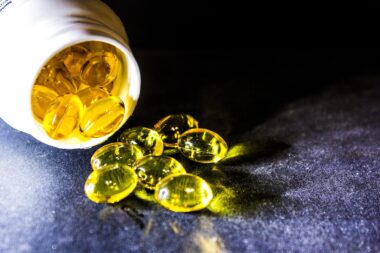
Feline obesity is a prevalent concern that requires careful management of a cat’s diet, especially regarding vitamin intake. For cats with this condition, selecting the right vitamins is crucial in maintaining their overall health and weight. Cats prone to obesity must have a balanced diet that includes essential nutrients. This ensures they achieve their dietary goals without overindulging. Pet owners looking to provide optimal nutrition often face challenges when selecting suitable vitamins. A vet’s guidance is invaluable in making informed decisions based on specific health conditions. Vitamins such as B vitamins and omega fatty acids are important as they may help in boosting metabolic rates effectively. Additionally, incorporating ingredients that promote weight loss while retaining nutritional value is critical. A transition plan that emphasizes gradual dietary changes is better for handling weight management in cats. When listing suitable vitamins, consider brands known for quality. Always check labels for active ingredients and caloric content. Finding the right supplements involves understanding an individual cat’s dietary needs, lifestyle, and activity level, making it essential to tailor these choices accordingly.
One common misconception among pet owners is that all vitamins available for cats are suitable for every feline. This is especially untrue for cats with obesity concerns, as they often must avoid certain ingredients. For instance, those on a restricted calorie intake require specific vitamins to complement their new dietary regime without adding excess calories. Focus on choosing vitamins that do not contain fillers or unnecessary additives. It can be beneficial to select nutrient-dense options that prioritize health over mere calorie intake. Vitamin E and Omega-3 fatty acids can aid in reducing inflammation, which may arise from obesity-related health issues. Furthermore, fiber supplements can help cats feel full without increasing caloric intake. Healthy weight management should be paired with physical activity, so vitamins complementing this lifestyle choice may enhance the feline’s overall well-being. Encouraging activity can also prevent obesity-related grants on the quality of life for your furry companions. A consistent routine of physical play, combined with well-selected vitamins, can form a complete strategy for addressing obesity concerns. Monitoring your cat’s response to these vitamins over time will aid in proper adjustments as their dietary needs evolve.
Monitoring Vitamin Intake for Weight Control
Adjusting a cat’s vitamin intake requires diligent observations. Weight loss or management programs for cats necessitate consistency in dietary monitoring. It is crucial to keep track of any changes in your cat’s weight to assess the effectiveness of the introduced vitamins. Regular weigh-ins and maintaining a food diary can provide clear insights into your cat’s progress. Changes in behavior can signal whether certain vitamins might be having a positive impact or if modifications are necessary. Engaging with your veterinarian regularly allows for feedback on nutritional adjustments and vitamin selections based on your unique circumstances. Moreover, recognizing the importance of not just calorie restriction but also essential vitamin supplementation to ensure overall health cannot be understated. Adjusting dosages and switching brands may become necessary to find a vitamin that balances weight management goals with the nutritional needs of the cat. By tracking this data, owners can better support their feline’s health throughout their weight loss journey, making informed decisions easier. Collaboration with healthcare professionals ensures comprehensive care that extends beyond just choosing appropriate vitamins.
In addition to vitamins, cats with obesity may require other supplements to support their dietary needs. Probiotics can play a vital role in digestive health and may positively impact weight management. A well-functioning digestive system is essential for cats, especially during weight loss phases. Probiotics can help in developing a gut microbiome that properly absorbs nutrients while on a caloric deficit diet. Maintaining a healthy gut flora can promote weight loss by enhancing metabolic processes. Moreover, ingredients like L-carnitine can aid in fat metabolism and energy production, which can motivate increased activity levels. The inclusion of joint-supportive supplements would also improve overall physical activity, which is critical while combating obesity. Joint supplements can alleviate any discomfort your pet might experience from increased physical play. Healthy movement is essential for successful weight management. Tailoring vitamin and supplement choices to meet a cat’s unique condition while promoting activity yields the best results over time. This holistic approach supports a comprehensive strategy in tackling obesity while ensuring all nutritional bases are covered for your cat’s special dietary needs.
Consultation with Veterinary Professionals
When dealing with obesity management in cats, expert consultation is paramount. Nutritional advice from a veterinarian can guide you in selecting the appropriate vitamins and supplements tailored to your cat’s specific health profile. A veterinarian often evaluates overall health, dietary habits, and lifestyle factors before recommending the right strategies. This expertise may include blood tests to identify specific deficiencies that could aid in formulating an effective weight management plan. Regular veterinary check-ups will ensure you’re not just focusing on weight loss but overall well-being. Cat health is multifaceted, requiring a blended approach to include vitamins along with dietary modifications. Your veterinarian can also provide insights into proactive measures related to your cat’s age, breed, and activity levels. Personalized nutrition plans devised with professional guidance are often more effective than generic approaches. A veterinarian’s input could be the difference between adequate health maintenance and addressing underlying issues stemming from obesity. A collaborative approach enables you to be vigilant in monitoring progress while remaining flexible in the face of evolving dietary needs.
Alongside vitamins and dietary adjustments, lifestyle changes are vital when managing obesity in cats. Encouraging more physical activity helps in combating weight gain and, in some cases, reversing existing conditions. Interactive toys, climbing structures, and scheduled playtime can stimulate more activity and mental engagement for your feline. Each cat is unique; thus, their preferences and activity levels should shape how you implement these changes. Monitor your cat’s reactions to different toys or activities. Create a routine that ensures your cat remains engaged and active each day. Regular exercise promotes overall cardiovascular health, reduces stress, and enhances mood. A mix of nutritional and physical strategies ensures a thorough approach in addressing obesity concerns. When implementing these changes, patience is pivotal, as results can take time to manifest. Remember that fostering a healthy environment for your feline companion extends beyond the meal bowl. Utilizing supplements in conjunction with lifestyle adjustments can yield promising results over time. Achievement may vary between individual cats, but empowering them to lead more active and healthier lives should always remain the ultimate goal.
Long-Term Health Monitoring
Managing a cat’s dietary needs, particularly for those prone to obesity, requires long-term commitment. Regularly assessing their health status is vital in maintaining optimal weight and overall wellness. This involves keeping track of their weight, dietary behaviors, activity levels, and any behavioral changes that may arise. Schedule routine veterinary visits to discuss these observations and make necessary dietary adjustments. Recognizing changes early might help in addressing potential health risks effectively and sustaining the journey towards a healthier life. Potential new dietary needs may also emerge as age progresses, requiring tailor-fit vitamins and nutrients. Adapting diet plans keeps pace with changing metabolic needs. Changes can occur subtly, so staying vigilant ensures your efforts are aligned with your cat’s health goals. Consider keeping a journal to document all findings, meal patterns, vitamin adjustments, and any physical activities. This helps provide a comprehensive history to refer back to during veterinary consultations. Long-term monitoring sets the stage for sustained success in promoting a cat’s health. Adequate wellness requires ongoing collaboration between pet owners and veterinary professionals.
Moreover, community support can be invaluable for owners managing their cats’ obesity concerns. Joining forums or local groups allows pet owners to share experiences, seek advice, and exchange tips on effective dietary strategies. The importance of fostering a supportive environment should not be underestimated. Other cat owners might have faced similar challenges, and their anecdotes can be helpful in finding successful diets or vitamins that promote weight loss. Online resources and communities often provide insights into trusted brands of vitamins that cater specifically to overweight felines. Initiating conversations about dietary management strategies can lead to newfound friendships and support networks. Engaging in discussions surrounding overall pet health promotes a shared learning environment that benefits everyone involved. Sharing successful findings on vitamins and supplements encourages awareness that may help others looking to modify their cats’ diets. There’s strength in numbers, and collectively, feline owners can champion for healthier living standards for their treasured companions. Additionally, reach out to veterinarians specializing in feline nutrition; they might hold workshops or seminars focused specifically on weight management solutions. Remember, your cat’s journey to better health should never be taken alone.