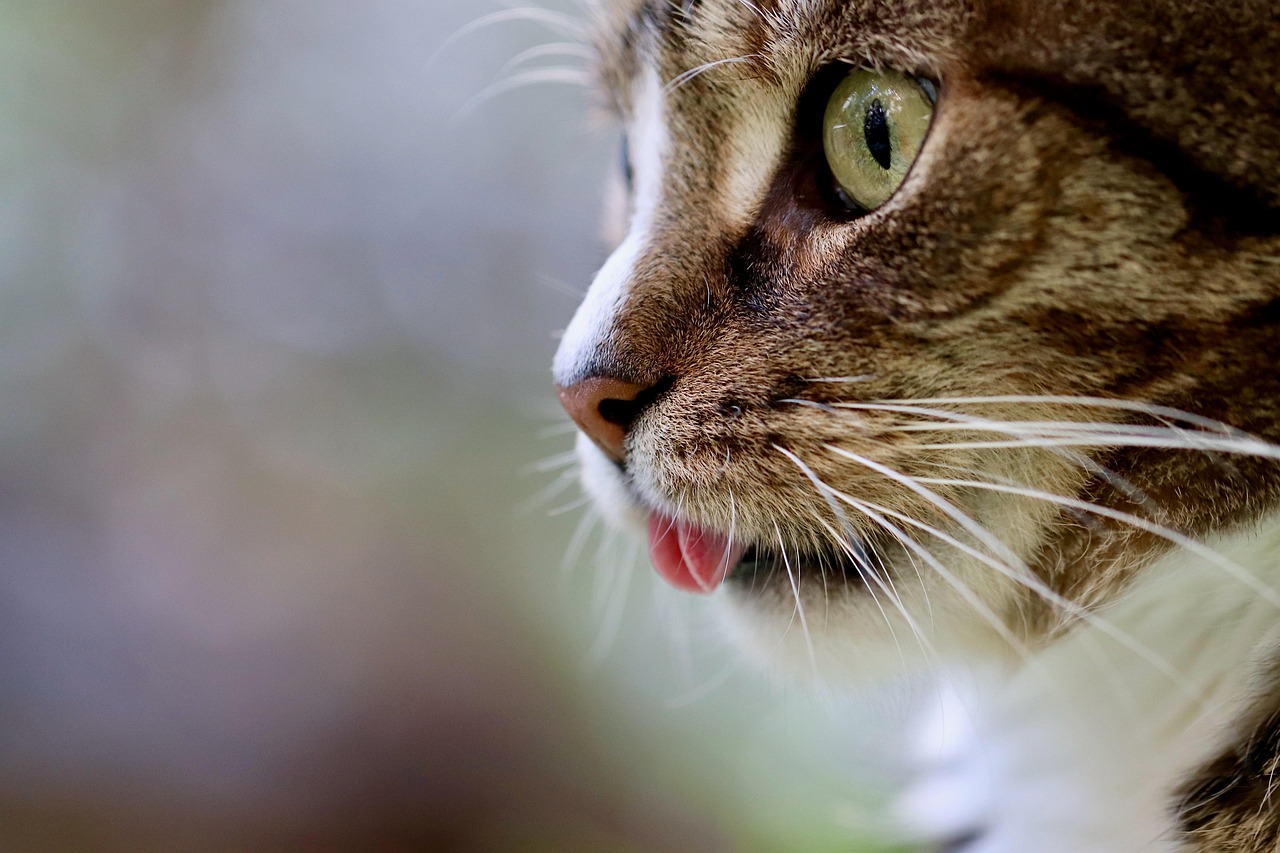

Tips for Socializing Cats with Visitors
Socializing your cat with guests can enhance the overall atmosphere of your home. It’s essential for cats to gain exposure to new people, which can reduce their anxiety. Before a visitor arrives, prepare your space for the interaction. Set up a quiet room where your cat can retreat if feeling stressed. It’s also helpful to provide your guests with guidance on how to behave with your cat. For example, inform them to let the cat approach them first, respecting their comfort space. Use treats as positive reinforcement to encourage the cat to come closer. Keep in mind that not all cats are the same; some may be more social while others may take time to warm up. Gradually introduce your cat to guests, using calming techniques like soft voices and gentle movements. A welcoming environment decreases the need for hiding, fostering trust between your cat and your guests. Furthermore, maintaining a routine will help in managing your cat’s expectations when new people come. By applying these strategies, you help build a friendlier social dynamic for your furry family member.
Next, let’s consider the first steps before guests arrive. Prior to your guests visiting, ensure that your cat has a personal sanctuary, an area they consider safe. This will give your cat a place to retreat if overwhelmed by the excitement of new visitors. Create a comfortable space equipped with their favorite toys, blankets, and a scratching post to explore. Firmly establish rules for your guests to follow, such as no sudden movements or loud voices. Greet your guests warmly, but always be mindful of your cat’s presence and preferences. Explain to them that they should allow your feline friend to control the pace of their interaction. Patience is key, as some cats take longer to warm up than others. Encourage visitors to drop treats, allowing the cat to come closer naturally. For nervous cats, consider utilizing calming products such as sprays or diffusers made with natural herbs. They can help ease tension and create a more relaxed atmosphere. The ultimate goal is allowing your cats to feel secure while engaging with your friends.
Understanding Cat Behavior with Guests
Understanding your cat’s body language is crucial when introducing them to guests. For an effective socialization process, observe the behaviors your cat exhibits in different scenarios. Cats typically show anxiety through hissing, flattened ears, or a swishing tail. Educate your guests about these signals, allowing them to engage more responsibly. If your cat expresses discomfort, gently intervene, ensuring a positive experience. Always encourage visitors to respect your cat’s boundaries. Remember, socializing should be enjoyable for both your guests and your feline companion. Responsive behavior forms a stronger bond with your cat, promoting mutual respect. Use sessions of playtime to transition from initial introductions to meaningful interactions. This way, your cat may associate visitors with fun experiences, easing their hesitations over time. Context is also essential; if your cat is playing or eating, it may be inappropriate to introduce them immediately. Timing can greatly influence your cat’s emotional readiness. Allow your cat to engage in socialization when they feel most comfortable, helping to establish trust gradually. Regular exposure can significantly enhance their social skills with time.
Additionally, incorporating positive reinforcement techniques can make a huge difference. Utilize treats, praise, and interactive toys while your guests interact with your cat. This positive association leads to happier, more confident behavior when meeting new people. Always reward your furry friend for exploring or engaging with visitors, reinforcing the belief that interaction is enjoyable. If your cat does act nervous, don’t punish them; this could worsen the situation. Rather, offer gentle encouragement, and allow them to retreat to their safe space as needed. Carry some of their favorite toys in your guest area, inviting your cat to explore at their own pace. The act of inviting them in fosters their curiosity. If your cat is comfy, ask your guests to sit on the floor, creating an inviting atmosphere. Casual, relaxed positioning can reduce tension. It’s also an opportunity for your guests to engage playfully with your cat. A feather wand or a small ball can grab their attention, providing opportunities for fun interaction. Consiculous approaches can help your cat develop trust and ultimately enjoy meeting new people.
Gradual Introductions and Normalization
Gradual introductions are vital for fostering socialization. Start by allowing your cat to observe guests from a distance. This helps your cat feel secure while they assess the new situation. Over time, as your cat becomes more comfortable, gradually allow closer interactions. This can come in stages; letting them sniff your guest’s hand before inviting them to pet the cat, for instance. Offer a mat or blanket for your guest to sit on, marking a neutral space for both parties. Make interactions calm and brief initially, as prolonged exposure can lead to overstimulation. Consistency is essential; frequent social encounters, even if they consist of just observation, will normalize the experience. Plan small gatherings to practice this socialization without overwhelming your cat. Consider partnering up with a friend who is aware of your cat’s needs. This way, you can fine-tune introducing the cat to new people through controlled scenarios. After a few positive interactions, invite more guests over for increased exposure. By slowly expanding their social circle, you are easing them into a more social environment, positively impacting their overall behavior.
Moreover, arranging a familiar scent scene can work wonders. Before new visitors arrive, encourage them to wear an item of your clothing. Cats are scent-driven, and introducing new aromas in a familiar context can heighten their comfort level. Additionally, allow your guests to bring a treat for your cat to earn trust. Familiar scents reinforce their safety and security knowledge, making new introductions easier. Setting rules for your guests will keep them informed about personal boundaries, enhancing the overall interaction experience. Engaging with your furry family member is most effective when established firmly through initial contact. Play from a distance and gauge their reactions. If your cat approaches, allow the interaction to deepen. Keep an eye on their body language at all times, and encourage your guests to reciprocate their signals. Focus on positive outcomes, reinforcing the concept that visitors are friendly. Over time, your cat will learn to associate visitors with enjoyable moments, diminishing any anxiety they might have previously experienced. Breaking down barriers step by step significantly reduces fear and increases interaction enthusiasm.
Building Confidence over Time
Ultimately, building your cat’s confidence when interacting with guests takes time and patience. Regular practice and positive experiences will create a more relaxed feline companion. Focus on observing your cat’s comfort levels during interactions and constantly adjust pathways accordingly. Stay attentive to their needs and provide them with resources to ensure their comfort. Socialization should never be rushed; giving your pet the time they require allows them to feel secure. Continue highlighting the advantages of socialization by inviting friends over regularly. Frequent exposure at an appropriate pace evolves their behaviors positively. Introducing variation in social encounters allows them to adapt better, as each new face adds comfort through familiarity. As they build their trust in visitors, your cat may seek engagement, creating a welcoming home atmosphere. Sticking with this attitude can greatly transform their interactions, turning once timid cats into confident companions. Patience with your feline may open possibilities for deeper social connections while also allowing visitors to learn about their needs better. Ultimately, socialization is a journey worth undertaking, creating a happy and relaxed environment for your beloved pet.
In conclusion, socializing your cat can vastly improve their quality of life and confidence. It builds stronger relationships for both the cat and your visitors. When you implement consistent strategies while being observant and supportive of their emotional needs, it not only promotes a healthy social dynamic but also enriches your home environment. Remember, the journey of socialization varies for each cat. Their comfort level is the priority while engaging new friends. Allow them to take the lead during the introduction phase. Establish trust by being present and providing them with a safe retreat. Over time, continuous exposure to well-intentioned guests will help manage fears and build a sense of security. Positive reinforcement through treats and fun interactions plays a vital role in this process. Regular and thoughtful social encounters will nurture their social skills and enhance their responsive behaviors toward guests. Enjoy the gradual process of socialization; build confidence in your feline to create a more fulfilling life. The more connected we make our cats to the environment around them, the more joy it brings to everyday life. Your attention will lead to a well-adjusted and socially engaged cat.