
Traveling with a Diabetic Dog: Tips and Precautions
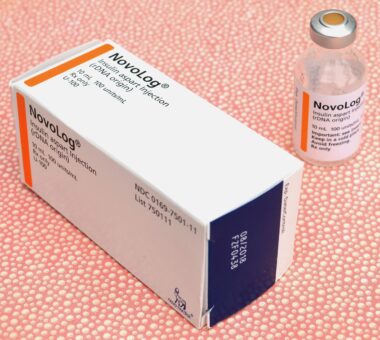
Traveling with a diabetic dog involves careful planning. First, ensure you pack all necessary medications. These medications include insulin and syringes; keeping them organized makes them easy to access. Carry a list of emergency contacts, including local veterinarians along your route. Plan a diabetic-friendly diet for your dog. This means bringing along their regular dog food to maintain glucose levels. Additionally, consider carrying some healthy snacks specifically for diabetic dogs to avoid fluctuations in their blood sugar. Speak to your vet about travel conditions that may affect your dog. This can include stress levels or dietary changes that may arise during your trip. Always keep your dog hydrated, especially in hot climates. Dehydration can lead to serious health problems and complicate their diabetes management. Monitor your dog’s behavior and energy regularly. Increased lethargy or excessive drinking may indicate blood sugar issues, necessitating immediate action. Remember, regular schedule for feeding and insulin injections is crucial; do your best to stick to routine even while on the move.
Preparing for the Journey
Before embarking on your journey, ensure your dog is healthy enough for travel. A check-up with the veterinarian is advisable to ensure their diabetes is well-managed before the trip. Discuss the itinerary with your veterinarian, especially if you visit places with varying temperatures or activity levels. If you’re flying, check airline policies on traveling with diabetic pets as regulations often differ. In addition, make accommodations that can cater to your dog’s specific needs; for example, some hotels allow pets. Consider whether your pet requires a health certificate when traveling. Contact your destination accommodations for their pet policies and verify their capability to handle diabetic dogs properly. Another vital point is ensuring your dog has proper identification. This includes a microchip or an ID tag with your contact information. Always keep your dog’s medical records accessible, as they may be required at various locations. Additionally, familiarize yourself with local veterinary services at your destination, just in case of emergencies. Preparation can enhance your travel experience and reduce stress for both you and your dog.
While on the road, it’s crucial to maintain regular feeding and insulin schedules for your diabetic dog. Try to stick as closely as possible to their usual mealtime routines to prevent blood sugar spikes. Always feed your dog whenever you stop for breaks; this practice not only is beneficial for glucose maintenance, but also keeps your dog comfortable during the journey. Bring along a sufficient supply of their regular food, and avoid feeding them human food that may disrupt their diabetes management. As for insulin administration, try to remember to administer insulin injections when you stop for breaks. If you find it difficult to maintain the schedule, consider consulting your vet for a flexible plan you can follow. Monitor your dog’s weight closely throughout the trip, as any substantial changes could indicate potential health issues. Observing your dog for signs of discomfort or distress is also critical; changes in behavior could signal that their blood sugar levels are out of the normal range. A vigilant pet parent can help catch any issues before they become significant health risks.
Travel Safety for Diabetic Dogs
Safety measures are essential during your travels with a diabetic dog. Secure your dog with a harness or seatbelt in the car, as sudden stops can easily lead to injuries. Never leave your dog alone in a parked vehicle, as extreme temperatures can cause irreversible health issues, including hyperglycemia or hypoglycemia. That means check the weather conditions beforehand; if it’s too hot or cold, consider rescheduling your trip to ensure comfort for your furry friend. When taking breaks, ensure your dog has a secure place to rest, preferably shaded areas if it’s hot. Carry a portable water bottle to keep your dog hydrated while on the road. Don’t forget to stop frequently for bathroom breaks; maintaining a proper routine is vital for both comfort and health. During these breaks, also monitor your dog for any signs of discomfort, such as excessive panting or disorientation. Always carry some emergency supplies, including treats, food, and clean-up bags, to maintain a smooth travel experience, especially in public settings where access to resources might be limited. Aim to keep your dog’s experience as stress-free as possible.
In case of emergencies, knowing how to manage potential crises can save your diabetic dog’s life. Hypoglycemia, or low blood sugar, is a common potentiality; recognizing the symptoms is crucial. Signs include excessive panting, weakness, or trembling. Have sugar or honey on hand to administer if your dog shows symptoms of low blood sugar. Apply some on their gums or feed them sugar cubes to increase glucose levels promptly. Be prepared to seek veterinary assistance if symptoms persist or worsen. On the other hand, symptoms of hyperglycemia include excessive thirst, frequent urination, and lethargy. Keep in mind that managing these issues might require veterinary intervention, especially if you are beyond familiar territories. Always have your dog’s medical history handy and the number for a local vet. Knowing how to read your dog’s signs and symptoms can be the difference between a minor bump and a serious emergency situation. Understanding your dog’s normal behavior and health parameters can aid in swift responses when things take a turn for the worse. Awareness allows for proactive measures to keep your dog safe and healthy on the journey.
After the Trip
Once you’ve returned from your travels, it’s essential to reassess your dog’s condition. Schedule a vet visit as soon as possible to ensure that your dog has remained stable during the trip. Discuss any changes you have noticed, including shifts in appetite, weight, or behavior. Such information will aid your veterinarian in evaluating your dog’s health state post-trip. Also, ensure that any medications or supplies needed are replenished for future use. Often after traveling, you might need to adjust their diet or insulin based on observed weight changes or activity levels during your trip. Familiarize yourself with the importance of checking glucose levels in the weeks following a trip. Your dog may also benefit from a brief rest period to recover from any fatigue felt during the journey. Assess their general health continuously; ongoing awareness helps to identify any irregularities that might develop after trips. It’s vital your dog feels settled again at home, allowing them to adjust without worry. Maintaining routine is crucial for diabetic dogs to reinforce their sense of security and well-being after transitioning back home.
Traveling with a diabetic dog may appear daunting, but proper preparation alleviates many concerns. Keep in mind that your dog’s health and happiness should always come first throughout the journey. Be proactive in your planning and research ahead of potential challenges. It’s also a good opportunity to bond with your dog as you both explore new environments together. Following the above tips ensures a safe and enjoyable travel experience. Always prioritize their dietary and medical needs, and communicate openly with local veterinarians should you travel away from home. Ensure you remain equipped with a contingency plan for emergencies, which reinforces the sense of security needed. With thorough preparation, creating a traveling routine, and remaining vigilant, road trips can become a wonderful adventure for both you and your diabetic dog. Enjoy discovering new places while maintaining their health and happiness, strengthening your bond along the way. Remember to keep a positive attitude, as this can ease any stress associated with traveling. Your dog’s well-being is equally important, and with dedication, every journey can be both rewarding and enjoyable.
Conclusion: Enjoy Traveling Responsibly
Traveling with your diabetic dog is manageable if you plan responsibly. Through preparation, you can create memorable experiences without compromising your dog’s well-being. Understanding their specific needs and health requirements is vital, and learning how to facilitate these needs is equally important. Don’t hesitate to seek expert advice if uncertainty arises; your veterinarian can provide invaluable insights and recommendations. While traveling introduces challenges into the mix, it can also create opportunities for adventure. Prioritizing your dog’s comfort ensures that every trip is enjoyable. Establishing a routine for insulin administration and meal timing can greatly reduce stress levels. Above all, remember that your dog’s happiness comes first during travel. Adopting a flexible mindset can help navigate unexpected situations; it allows for a more enjoyable experience overall. Whether you are on a short trip or planning an extended stay, the joy of exploring together should be the ultimate goal. With love and preparation, creating wonderful memories while traveling can be realized. Cherish every moment spent sparking curiosity and learning about the world alongside your canine companion. Responsible travel can lead to a fulfilling adventure that bonds you even closer.