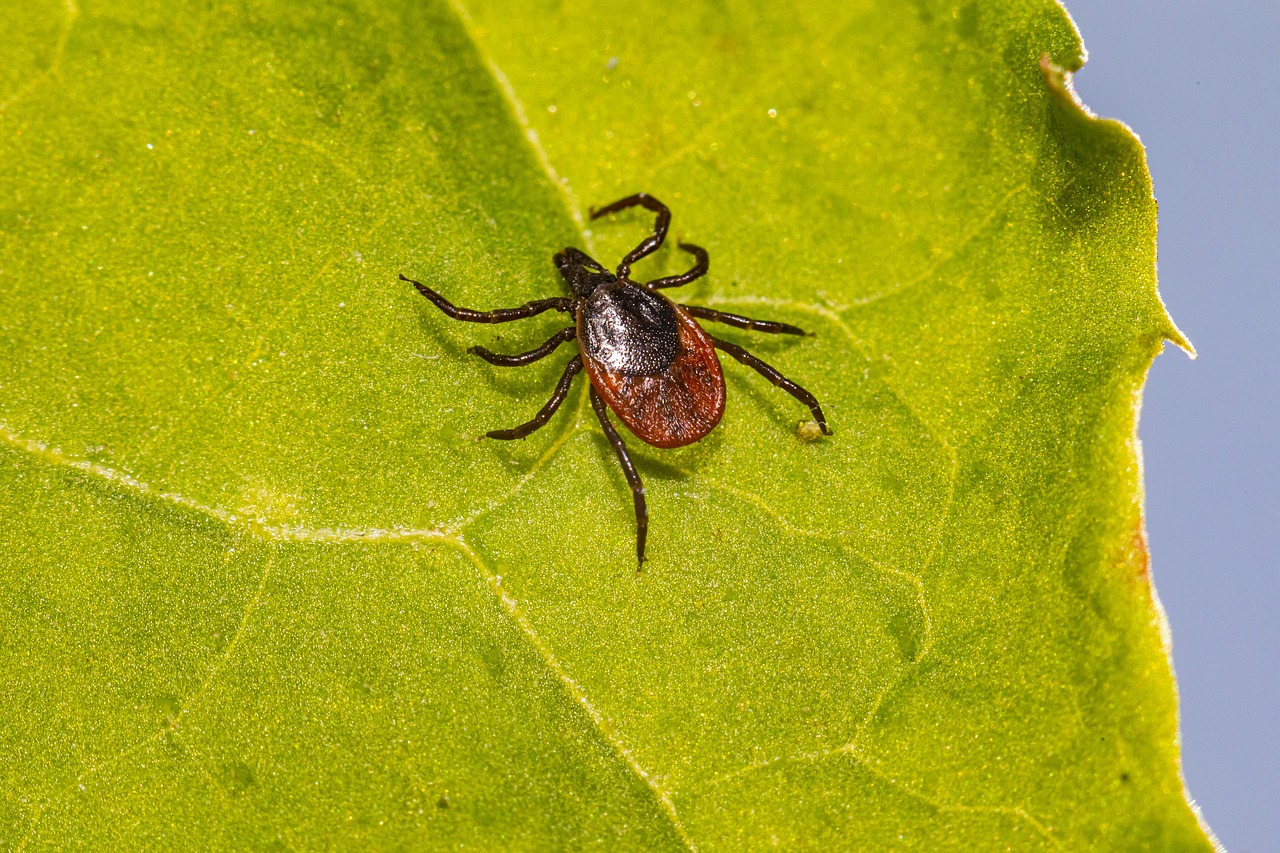

Managing Flea and Tick Allergies in Sensitive Dogs
Flea and tick allergies are common among sensitive dogs, causing significant discomfort and health issues. Identifying and managing these allergies is essential to ensure your dog’s well-being. Fleas and ticks can cause various allergic reactions, ranging from mild itching to severe skin infections. Symptoms include excessive scratching, hair loss, and inflamed skin. Owners must take a proactive approach to identify and prevent these allergies. Regularly checking your dog for fleas and ticks is crucial, especially during warmer months when these pests are more prevalent. Bathing your dog with specialized shampoos can help alleviate symptoms and reduce allergens on their skin. If you notice any signs of allergy, it’s vital to consult your veterinarian for a proper diagnosis and treatment plan. They can recommend appropriate medications and topical solutions that effectively combat these parasites. Additionally, flea and tick prevention products should be used consistently to avoid infestations and allergies altogether. These preventive measures can keep your sensitive dog comfortable and healthy, allowing them to live their life without the burden of flea and tick allergies. Regular vaccine adjustments and topical treatments by your vet will also help manage this issue efficiently.
Understanding the life cycle of fleas and ticks is essential for effective management of allergies. Adult fleas lay eggs in the environment, leading to continuous infestations if not controlled. Ticks, on the other hand, require a host for feeding and can transmit diseases through bites. Knowing this, pet owners can target prevention efforts during critical months. Treatment strategies include specialized collars, topical medications, and oral prescriptions to eliminate these pests. Keeping your pet’s environment clean is equally essential. Regular vacuuming of carpets, rugs, and upholstery helps to remove flea eggs and larvae. Wash your dog’s bedding and use flea-repellent sprays on carpets and soft furnishings. Additionally, maintaining a well-groomed coat can discourage these pests from setting up residence. Frequent grooming sessions will help identify any early signs of fleas and ticks, enabling immediate intervention. Monitor your dog’s behavior closely for any irregularities, as changes can indicate issues related to allergies. Having a consistent routine for pest prevention will contribute to a flea and tick-free environment for your sensitive dog, thereby minimizing allergy risks and promoting overall health and comfort.
Common Symptoms of Flea and Tick Allergies
Recognizing the symptoms of flea and tick allergies is crucial for prompt treatment. Often, allergic reactions manifest as skin irritation and chronic itching, leading to more significant complications if left untreated. Dogs may experience redness, rashes, and inflammation around the areas where fleas or ticks are present. Hot spots are another common occurrence, characterized by moist, inflamed patches of skin that can become infected. Other signs include chewing, licking, and biting at the skin, resulting in hair loss and lesions. In some cases, allergic dogs may develop secondary infections due to constant scratching, creating a vicious cycle of irritation. Owners should be proactive and meticulously inspect their dog for fleas or ticks. Physical check-ups and visual inspections are essential in identifying the issue early. If you suspect your dog suffers from these allergies, consult your vet for advice on how to proceed. They may recommend allergy testing to determine the precise cause of your dog’s discomfort. Proper diagnosis and treatment will enhance your dog’s quality of life, ensuring they remain happy and healthy without constant itching and irritation due to these pesky parasites.
Once diagnosed, your veterinarian may recommend various treatment options tailored to your dog’s specific needs. Treating flea and tick allergies involves a multifaceted approach, consisting of both immediate relief and long-term prevention strategies. Immediate relief can be achieved through antihistamines, corticosteroids, and topical treatments designed to soothe irritated skin. Furthermore, ongoing flea and tick prevention is crucial to prevent future allergic reactions. Your vet can suggest effective and safe products suited for your dog’s age, weight, and health status. These options include topical treatments, oral medications, or insect growth regulators. Regular follow-ups are necessary to assess the effectiveness of the treatment plan. In some cases, your vet may suggest hypoallergenic diets if food allergies are suspected to exacerbate the issue. Another helpful strategy is an environmental control plan, which could involve shampoo treatments and regular flea or tick checks on other pets. Ultimately, combination therapy can lead to comprehensive management of flea and tick allergies. This holistic approach significantly decreases the chances of re-infestation and greatly helps with keeping your sensitive dog healthy and comfortable in the long run.
Preventing Flea and Tick Infestations
Preventing flea and tick infestations is key to minimizing allergies in dogs. An effective prevention strategy includes consistent use of preventative treatments throughout the year. Many pet owners believe that flea and tick prevention is only necessary during warmer months, but these pests can survive in various climates. Always follow your veterinarian’s recommendations regarding topical treatments or oral medications. Besides using medications, considering natural pest deterrents can be beneficial. Essential oils like lavender and peppermint have shown effectiveness against pests and can be safely applied in diluted forms. Regular grooming also acts as a preventative measure, allowing you to catch any early infestation signs. Maintaining a clean yard is equally important. Keeping the grass trimmed and removing debris creates an unfavorable environment for fleas and ticks. Additionally, avoid allowing your dog to roam in wooded areas where these parasites thrive. If you have other pets, ensure they are also treated consistently for fleas and ticks. This collective approach to prevention is essential in creating a pest-free environment for your dogs. Taking these preventative measures will significantly lower the risk of flea and tick infestation, thus reducing allergic reactions.
In addition to physical prevention methods, educating yourself about fleas and ticks enhances overall management strategies. Understanding the lifespan and reproduction rates of fleas can help pet owners take appropriate action. For example, knowing that fleas can reproduce rapidly in favorable conditions highlights the need for thorough extermination efforts swiftly. Environmental factors also play a role in flea and tick infestations. Areas with high humidity and temperatures create ideal conditions for these pests. Use of effective vacuuming techniques, including disposal of vacuum bags immediately after use, can thwart flea and tick populations in homes. Consulting pest control professionals may be necessary for heavy infestations. They can provide treatments to eliminate fleas and ticks from your home. Some may recommend using sprays or benefits of flea traps designed to capture adult fleas and interrupt their reproduction cycle. Additionally, providing a flea-free space where your sensitive dog can rest and relax will improve their overall comfort. Engaging with a knowledgeable vet can give you valuable advice on flea and tick management tailored to your dog’s unique environment.
The Importance of Veterinary Support
The support and guidance of a veterinarian are invaluable when managing flea and tick allergies in sensitive dogs. Your vet can develop a personalized treatment and prevention plan based on your dog’s specific health needs. Regular veterinary check-ups ensure that your dog receives the best care necessary for managing allergies effectively. They also provide valuable education about the different types of flea and tick medications available. Access to ongoing support and resources from your veterinarian can help you navigate potential allergens. If your dog’s condition worsens, an experienced vet will know how to adjust treatment promptly. Furthermore, they can help determine if additional allergens may be at play, ensuring a holistic approach to treatment. Don’t hesitate to reach out with questions or concerns regarding your dog’s health. Your veterinarian is your ally in the fight against flea and tick allergies. They can also advise on dietary changes and lifestyle modifications that may benefit your dog. With a collaborative effort between pet owners and veterinarians, effectively managing flea and tick allergies becomes a feasible task, ensuring that sensitive dogs remain happy and healthy.
Overall, managing flea and tick allergies in sensitive dogs requires diligence and a multifaceted approach. Owners must remain vigilant in checking for infestation signs, and developing a relationship with a qualified veterinarian is crucial. By using appropriate prevention strategies, recognizing symptoms early, and understanding dietary implications, dog owners can positively impact their pet’s quality of life. Regular grooming sessions can help in detecting fleas and ticks, while a clean environment minimizes the risk of infestations. Adopting consistent preventive measures ensures that pet owners are equipped to tackle flea and tick allergies proactively. Pet owners should embrace knowledge about these pests to stay prepared. Ensuring dogs are comfortable throughout their lives promotes happiness and overall well-being. In summary, managing flea and tick allergies in sensitive dogs involves a blend of appropriate treatment, continued prevention, and environment control strategies. This comprehensive approach empowers owners to protect their beloved pets effectively. By staying alert, seeking veterinary support, and employing proven prevention tactics, you can significantly reduce the burden of flea and tick allergies for sensitive dogs. Continue to educate yourself continually and remain proactive; this is the best way to care for your four-legged friends.