
Preventing Heatstroke and Hypothermia in Dogs
As dog owners, ensuring the health and safety of our pets is our foremost responsibility. Among the most critical factors affecting our dogs are extreme temperatures that can lead to serious health emergencies like heatstroke and hypothermia. Understanding how to prevent these conditions is essential for all dog lovers. Heatstroke can occur rapidly in dogs exposed to high temperatures, particularly during the warm summer months. Signs of heatstroke include excessive panting, drooling, vomiting, and lethargy, which require immediate attention to prevent serious health issues. Meanwhile, hypothermia can occur when dogs are exposed to cold weather for prolonged periods. Small or short-haired breeds are especially vulnerable, so monitoring your dog’s comfort level in varying temperatures is crucial. Dogs left in cars even for short periods can quickly overheat, so it is crucial to avoid such scenarios at all costs. A combination of awareness, proper care, and preventive measures can keep your treasured furry friends safe and healthy. Regular hydration, shade when outdoors, and appropriate winter gear when necessary should always be top of mind for responsible dog owners.
One effective method of preventing heat-related issues in dogs is ensuring adequate hydration. Dogs should always have access to fresh water, whether they are indoors or outdoors. During hot days, take frequent breaks when exercising your dog to allow them to cool down and drink water. Avoid exercising during peak heat hours; mornings or evenings are more suitable for walks and playtime. Always carry water when traveling, and consider a portable dog bowl for hydration on the go. Additionally, be mindful of your dog’s breed, age, and overall health status. Some breeds such as Bulldogs and Pugs are more susceptible to heat due to their unique physical structures. Always observe your dog’s behavior and take preventive steps to avoid heat exhaustion. When temperatures rise significantly, refrain from strenuous activities and opt for indoor games instead. Simple indoor activities or puzzle toys can help keep dogs mentally stimulated without exposing them to harmful heat. If you notice signs of distress in your dog, seek veterinary advice immediately; early intervention can often make the difference between a full recovery and a serious health crisis.
Recognizing Signs of Heatstroke
Recognizing the signs of heatstroke is vital for every dog owner, and immediate action can be life-saving. Common symptoms include increased panting, rapid heartbeat, and excessive drooling. If a dog becomes disoriented, weak, or collapses, it is crucial to act fast. The first step is to move the dog to a shaded or air-conditioned area to cool down. Apply cool—not cold—water to the dog’s body, focusing on areas like the neck, armpits, and groin to facilitate rapid cooling. Never submerge a dog in cold water as this could lead to shock. If your dog is conscious, offer small sips of water. Monitor their body temperature using a rectal thermometer; if it exceeds 103 degrees Fahrenheit, seek veterinary care immediately. Even if symptoms seem to improve, follow up with a veterinarian to rule out any complications. Your prompt response not only minimizes the risk of serious health consequences but also reinforces the importance of being attentive to your dog’s needs in varying temperatures. Regular vet check-ups can also help in identifying any pre-existing health conditions that may predispose your dog to heat-related ailments.
Understanding Hypothermia in Dogs
Hypothermia is a medical emergency that requires immediate attention and understanding its causes helps in prevention. Cold exposure is usually the main culprit, especially in small or short-haired breeds, older dogs, and those with certain health conditions. It occurs when a dog’s body temperature drops below the normal range due to prolonged exposure to cold environments. Symptoms include shivering, lethargy, slow heart rate, and muscle stiffness, often leading to a state of unresponsiveness. If you suspect your dog is suffering from hypothermia, wrap them in warm blankets and provide warmth through gentle heat sources like heating pads. However, apply these methods cautiously to avoid burns. Seek veterinary attention immediately, as hypothermia can progress rapidly to severe complications, including organ failure. Preventing hypothermia can be achieved by limiting your dog’s outdoor time in cold weather, ensuring that they have adequate shelter, and using dog sweaters or coats for those more susceptible. Regular grooming and keeping your dog clean also help maintain body temperature, as matted fur can trap moisture and reduce insulation. Always be aware of weather conditions and adjust outdoor activities accordingly.
Creating a safe environment for dogs in extreme weather is essential for ensuring their health. Whether facing extreme heat or frigid cold, it’s crucial that their living environment is prepared accordingly. This includes having proper shelter that offers protection from direct sunlight or cold drafts. For hot weather, ensure that outdoor areas are shaded and provide plenty of cool water. Indoors, keep the temperature comfortable, and use fans or air conditioning as needed. In winter, create a cozy space with blankets and heated dog beds to help keep them warm. Dogs should not be left outside for extended periods during extreme weather, so adjust your outdoor routines accordingly. Keeping doggie coats handy and ensuring they are dry during cold weather can prevent hypothermia. Regular check-ups with a veterinarian will help discuss specific needs related to seasonal changes. Access to a warm, dry area away from rain, snow, or extreme elements is not just a comfort; it’s a necessity for your pet’s health. By comprehensive planning and adequate steps, dog owners can ensure a safe living environment for their beloved companions during the hottest and coldest months.
Emergency Action Plans
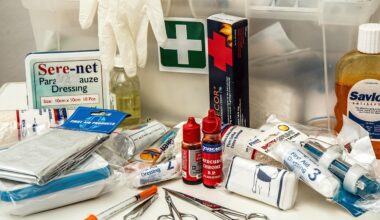
Having an emergency action plan is paramount for dog owners, especially during extreme weather conditions that can affect their furry friend’s health. Preparation is always key; this includes knowing the nearest veterinarian and having an emergency contact list accessible. Keep an emergency dog kit ready containing essential supplies such as first aid items, medications, and extra food or water. Evaluate your dog’s usual routine and adapt it according to seasonal changes or emerging weather forecasts. This can help mitigate risks while enabling you to respond quickly if your dog shows signs of distress. Seek advice from veterinarians on recognizing disease symptoms associated with heatstroke or hypothermia, and keep vet contact details readily available in case of emergencies. Consider pet insurance, offering peace of mind while ensuring your dog gets prompt and comprehensive care. Moreover, socialization and training are essential, as a well-trained dog can help you act swiftly in emergencies. By taking proactive measures and devising a responsive action plan, you empower yourself and ensure the ongoing safety of your dog through potentially life-threatening situations.
Education is key in understanding dog safety, and spreading awareness about the signs of heatstroke and hypothermia is crucial. Join online communities or local groups focused on pet care to exchange knowledge and experiences with fellow dog owners. Engage in discussions and share helpful articles that educate others about the importance of temperature regulation for dogs. Hosting or attending workshops can amplify awareness while providing hands-on information on how to approach first aid in emergencies. Leverage social media platforms to distribute vital knowledge on dog safety and advocate for responsible pet ownership, which includes recognizing the signs of temperature-related distress. Encourage fellow dog lovers to take the necessary precautions, and educate them on how to implement safety measures. The more people possess adequate information, the better the chances of preventing severe health conditions caused by heat or cold. Remember, knowledge and involvement can save lives, and each responsible action contributes to a safer environment for our furry friends. Inquire about local resources related to dog health and safety; staying informed is the best defense against health risks.
Overall, the responsibility of dog owners extends beyond love to ensuring their furry friends’ safety and proper care. This involves a keen understanding of situational awareness, learning the signs of heatstroke and hypothermia, and being proactive in preventing these conditions. Always prioritize observation and provide safe environments for your pets during extreme weather. As guardians, it’s vital to be proactive in implementing preventive measures, ensuring hydration, and planning accordingly to avoid emergencies. Regular vet visits and immediate veterinary response for signs of distress are essential strategies. Through education and community engagement, we can raise awareness and share best practices related to dog health and safety. When we master the complex variables that affect our dogs’ well-being, we position ourselves as empowered guardians. Our commitment to their safety and long-term health can lead to happier, healthier lives for our beloved pets. Caring for a dog is not just about meeting their immediate needs; it’s about creating a lifestyle that emphasizes their safety in all temperatures. The love we foster can thrive when we prioritize health and safety, ultimately creating deeper bonds and trust with our beloved canine companions.