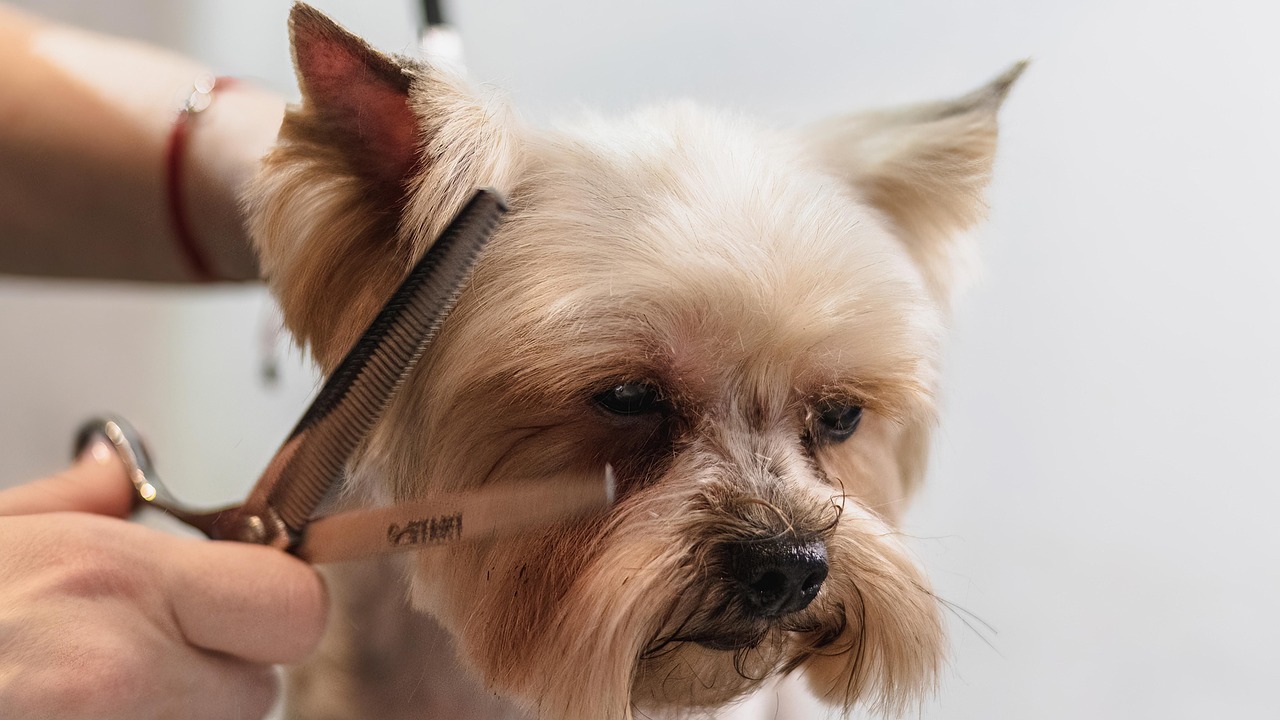

How to Build Trust with Your Dog for Easier Grooming
Building trust with your dog is essential for a successful grooming experience. Dogs can be anxious about being handled, which is often related to past experiences. To prevent these issues, take gradual steps to create a comfortable environment. Start by introducing your dog to grooming tools without immediately using them. Allow your dog to inspect and sniff the instruments, letting them understand that they are harmless. Once your dog is comfortable with the grooming tools, use positive reinforcement to help them associate grooming with pleasant experiences. Offering treats or praise can be very effective. Additionally, groom them in a quiet area free from distractions. A calm setting promotes relaxation, which may ease your dog’s anxiety. It is also important to maintain a routine to normalize the grooming process. Regular grooming helps your dog become accustomed to it, creating an expectation. Always be patient and never force your dog into a grooming situation. Instead, take breaks if your dog becomes overwhelmed. Understanding your dog’s body language will help you respond appropriately. Gradual exposure will significantly reduce behavioral issues during grooming, making the experience enjoyable for both of you.
One helpful technique is to associate grooming with playtime or walks outside. After a grooming session, offer your dog their favorite toy or treat to reinforce that grooming leads to fun activities. Start with short grooming sessions, gradually increasing the length as your dog becomes more comfortable. This way, your dog will learn that grooming is not only tolerable but enjoyable. During these sessions, speak softly and gently to maintain a soothing atmosphere. Your tone significantly impacts your dog’s feelings. Pay attention to their signals. If your dog seems nervous or agitated, pause the grooming session. Allow them to calm down before proceeding, and continue where you left off. Do not rush the process; patience is key. Consider incorporating calming techniques such as gentle brushing or massaging. These approaches can help your dog relax and trust you more during grooming. Additionally, if your dog has specific areas of discomfort like their paws or face, spend extra time desensitizing those areas. Regularly handling these parts during non-grooming times can build familiarity, thus reducing anxiety during actual grooming. Remember, every dog is unique, and adjusting your approach to their specific needs is essential.
The environment plays a critical role in your dog’s comfort. Ensure the grooming area is well-lit and safe, free from hazards that could frighten your dog. Use a non-slip surface to prevent slipping, which can be particularly distressing for nervous dogs. Having their favorite blanket or bed in the grooming area can provide a source of comfort. This familiar item may help them feel secure and relaxed during the process. Optimize the grooming experience with tools that suit their coat type; the right brushes and clippers reduce discomfort. Tools should be well-maintained and clean, preventing potential irritation. If you’re uncertain about which tools are suitable, consult with a professional groomer or veterinarian, who can recommend products tailored to your dog’s breed and needs. During grooming, monitor your dog’s body language closely for signs of stress or discomfort. Look for signs such as panting, excessive barking, or trying to escape. If you notice these signs, take a break to allow your dog to calm down. Building trust is about creating a positive grooming routine that works for both of you. Understanding your dog’s cues enables a smoother and stress-free grooming experience.
Scheduling Regular Grooming Sessions
Regular grooming helps maintain both your dog’s appearance and mental health. Consistency in scheduling grooming sessions is essential for establishing routine and trust. Determine a grooming schedule that accommodates your dog’s grooming needs based on their breed, coat type, and activity level. Some breeds require more frequent grooming to prevent matting, while others may have minimal grooming needs. Whatever your dog’s grooming schedule, include it in your calendar. Treat grooming like any other essential part of their care. Keeping a regular schedule reduces anxiety by helping your dog know what to expect. As you develop a routine, implement short, fun grooming sessions instead of longer ones that can cause stress. Always end each session on a positive note, perhaps with play, treats, or cuddles. Remember that your reaction matters; if you remain calm and friendly, it will help your dog feel more at ease. Introduce grooming gradually, starting with simple tasks like brushing before moving on to clipping nails or bathing. This phased approach offers the chance to build trust through each successful encounter. Consistency and patience will cultivate a cooperative atmosphere for grooming.
Another important aspect of building trust with your dog is creating a strong bond through positive interactions. Engaging in joint activities such as walks, games, or obedience training cultivates your relationship. This results in a dog that is more likely to view you as a dependable companion during grooming sessions. These activities create an opportunity for both exercise and mental stimulation, fostering companionship and trust. Ensure to utilize gentle handling during these interactions, especially around sensitive areas where grooming will take place. Recognize that trust is built incrementally; every positive experience contributes to a stronger, more trusting relationship. Moreover, teaching your dog to relax through basic commands like sit or stay can be beneficial. Incorporating these commands into your grooming sessions provides structure and reinforces positive behavior. However, don’t forget the importance of consistency during training. Use consistent cues and rewards to enhance learning. Praise and treats can signal to your dog when they have performed well, further associating grooming with a positive outcome. Through establishing trust, your dog will respond affectionately, making grooming a stress-free experience.
Choosing the Right Professional Groomer
Hiring a professional groomer can significantly enhance your dog’s grooming experience, especially if your dog struggles with anxiety. Choosing a groomer who understands canine behavior and employs gentle techniques is crucial. Take the time to research and visit different grooming facilities before making a choice. Observe how the staff interacts with the dogs; a confident and friendly approach promotes a positive environment for anxiety-prone dogs. Ask the groomer about their experience with behavioral issues and observe their methods. A good groomer will prioritize your dog’s comfort and safety. Schedule a preliminary visit without grooming to help your dog get accustomed to the space. During this visit, allow your dog to meet the groomer in a non-stressful manner to assess their interaction. Look for grooming services that cater to anxious dogs, offering specialized techniques to ensure comfort. Inquire about their approach to handling nervous dogs, and don’t hesitate to share your dog’s grooming history and behavioral tendencies. This information will aid the groomer in planning the most effective approach for your dog’s grooming sessions.
Lastly, after grooming sessions, focus on reinforcing trust through positive feedback. Celebrate small achievements and improvements in behavior and build further upon them. Dedicating time to comfort your dog post-grooming can enhance their experience and alleviate any anxiety they might have felt. Offering them a treat or schedule additional playtime together helps to reinforce the idea that grooming leads to fun activities. Consider using calming scents or soothing background music when grooming to create a more relaxing environment. Gradual acclimatization leads to long-term benefits, transforming your dog’s perception of grooming. Keep in mind that maintaining a trusting relationship requires ongoing efforts beyond grooming alone. Regular positive interactions and shared experiences strengthen that bond. Building trust may take time, but with patience and commitment, you’ll notice significant progress. Remember that some days might be more challenging than others; consistency will ensure that your dog feels secured. Each successful grooming session furthers the foundation of trust you build together. Ultimately, establishing this trust will render the grooming process easier and lead to a happier dog.
Conclusion
In conclusion, building trust with your dog for easier grooming is essential for their well-being. A strong bond fosters a calm atmosphere during grooming, minimizing behavioral issues related to anxiety. By employing consistent techniques and gentle handling, you can ensure that grooming transforms from a daunting task to a positive experience. Regularly engaging in fun activities outside of grooming helps strengthen your relationship further. Always observe how your dog responds to various stimuli during the grooming process. Adjust your techniques accordingly, focusing on their comfort as top priority. Remember that patience is key and allow enough time for your dog to acclimate to their grooming routine. Consulting with professionals when necessary can streamline the process while ensuring your dog has a pleasurable grooming experience. Keep communication open between you and your groomer regarding any concerns. Over time, your dog will come to see grooming as a natural and enjoyable part of their life. Establishing trust is not a one-time effort but requires dedication and persistence. In doing so, you’ll create happy grooming sessions that enhance your dog’s overall happiness and health. Building trust with your dog is an investment in their comfort that pays long-lasting dividends.