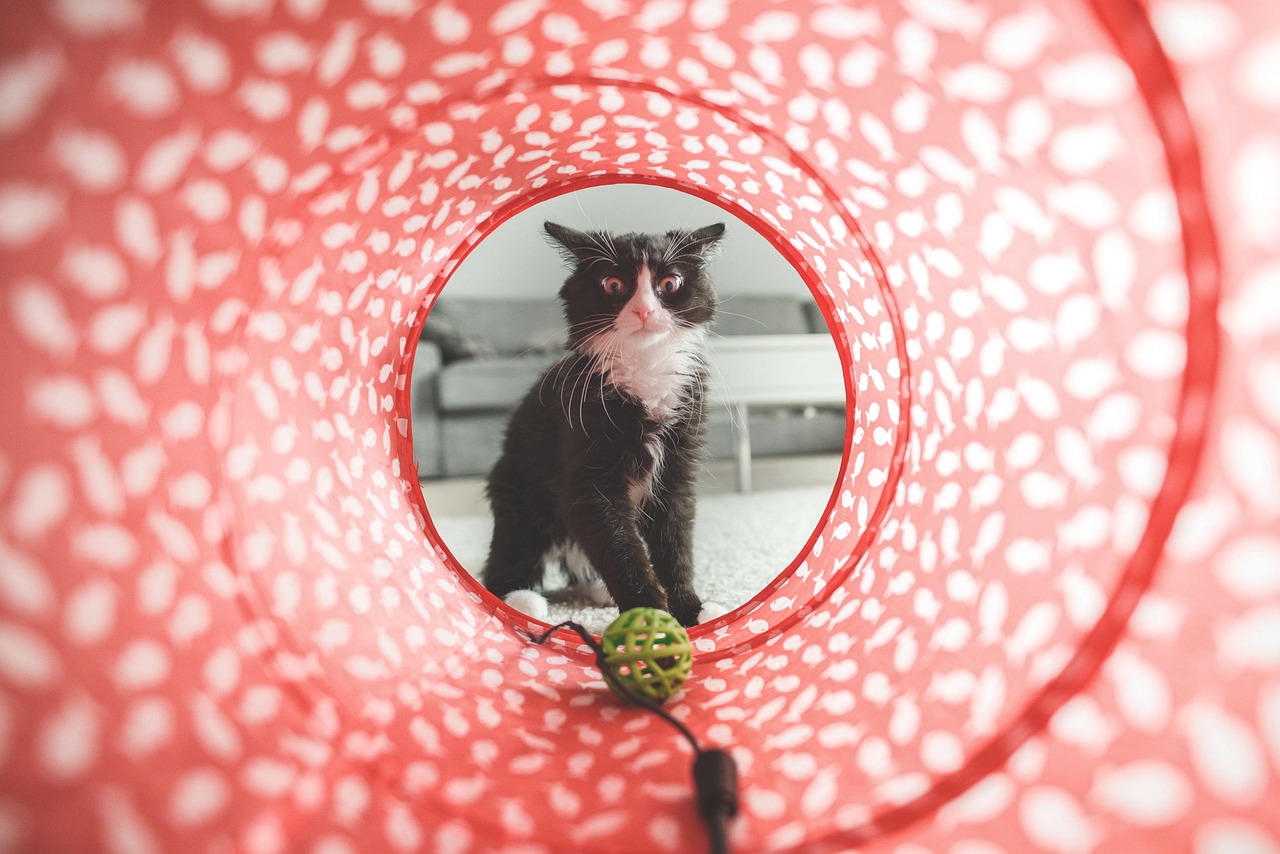

Using Play Therapy to Distract and Calm Fearful Cats
Cats, like many animals, experience fear and anxiety, which can manifest as phobias in various situations. Understanding how to address these feelings is vital for our feline friends. Play therapy can serve as an effective tool in alleviating fears in cats. Fostering a safe environment where cats feel secure encourages them to explore and engage. Introducing play therapy not only distracts them from their fears but also allows them to remain active and mentally stimulated. Play fosters a bond between the cat and owner, contributing positively to their relationship. This aspect is essential to gradually reduce the stress associated with their fears. Purring and playful behavior are signs of a happy cat, which results from effective distraction techniques. Owners can create routines that incorporate playtime to help their cats feel more at ease. Selecting appropriate toys that mimic natural hunting instincts can be enormously beneficial. Toys such as feather wands, laser pointers, and interactive puzzles engage the cat’s predatory behavior while steering their focus away from sources of anxiety. Therefore, play therapy is crucial in managing feline fears.
It is equally important to recognize the types of fears that may be affecting your cat’s behavior. Some common triggers may include loud noises, unfamiliar environments, or even other pets in the house. Observing your cat’s reactions to these stimuli can help identify the sources of fear. Education on phobias in cats allows owners to tailor their approach effectively. It’s crucial to remember that cats often seek safety in their hiding spots when frightened. Encouraging your cat to engage in play can be counterproductive if they remain frightened. Therefore, the timing of play therapy matters significantly. Begin the session when your cat appears relaxed, allowing play to serve as an outlet to express themselves. Additionally, practicing gentle movements during play sessions can help maintain a calm atmosphere. Another strategy is to utilize calming products, such as pheromone diffusers, to set the tone for the playtime environment. Overall, consistency is key. Gradual exposure to fear stimuli in a controlled manner, paired with play therapy, can significantly alter your cat’s perception of fear, transforming their anxious responses into more manageable reactions.
Types of Play to Address Fear
Different types of play can be integrated into the therapy to ensure its efficacy in soothing fearful cats. Interactive play, where the owner participates directly, can strengthen the bond between cat and owner. This bonding can significantly alleviate anxiety in the long run. Using toys that encourage independent play can empower the cat, allowing it to gain confidence in exploring its surroundings. Puzzle toys that dispense treats not only mentally stimulate your cat but also reward them for engaging and exploring. Such activities reduce fear-induced behaviors by redirecting their focus to positive experiences and achievements. Moreover, structured playtime sessions can induce predictability, which offers comfort to a fearful cat. Setting a regular time for play allows cats to anticipate enjoyable experiences, which can reduce anxiety over time. Additionally, engaging them in gentle games can create positive associations. For instance, utilizing a toy mouse for simulated hunting can serve as an essential outlet for pent-up energies and instincts. This incorporation of fun, natural behaviors helps build confidence while distracting fearful cats from their anxieties.
Another wonderful aspect of play therapy is its flexibility in techniques. Owners can utilize various environments for play sessions to further address fears. Indoor environments that feel safe may be the starting point, but gradually introducing outdoor spaces can aid in building resilience. Outdoor play can expose cats to new sounds and sights, building their confidence in facing unfamiliar stimuli. Additionally, keeping play sessions brief but frequent can be beneficial for managing boredom and frustration levels. Always allow your cat to dictate the pace of play and engage only when they are comfortable. If your cat shows signs of distress, take steps back to reinforce a safe space. It’s vital to ensure that your cat feels secure first before expanding play into riskier environments. Another critical factor to consider is ensuring the play environment is conducive to safety. Removing potential hazards can eliminate additional stress and worry for both the owner and the cat. Thus, with understanding and patience, play therapy can be uniquely adaptable, ensuring it meets the needs of intimidated cats to decrease their anxiety.
Observing and Responding to Cat Cues
Cats communicate through various body languages, revealing their emotional state. Observing behaviors during play helps reveal their comfort levels. Signs such as twitching tails or flattened ears indicate discomfort, while relaxed postures signify enjoyment and security. Understanding this communication is critical in managing play therapy effectively. Engaging in activities that pique their interest can be beneficial while being mindful of their cues. When a cat freezes or retreats, it’s vital to pause and give them space. Consistent respect for their boundaries creates an atmosphere of trust. Playtime intended as a bonding experience may not unfold as anticipated if cats feel overwhelmed. Incorporating short breaks during play can help create a relaxing vibe, letting cats fully engage on their terms. Having toys readily accessible enables cats to initiate play as they feel ready instead of attempting to force interaction. This autonomy fosters a sense of security and control. Moreover, creating a cozy environment with soft bedding and dim lighting can enhance the relaxation experience. Overall, attentive observation ensures that play therapy remains a rewarding experience that reduces fear and builds confidence.
The importance of patience cannot be overstated when addressing feline fears. Fearful cats may take time to warm up to joy through play. Rushing the process can backfire, making cats more anxious and resistant to engaging with owners. Instead, allocate time for playful interactions and adhere to the pace your cat establishes. Together with gradual exposure to stressors, this steady approach ensures that the cat does not experience overwhelming feelings. Building a safe haven allows them to find comfort, progressively empowering them to engage in play. Experimenting with different play modalities encourages exploration and confidence-building. For instance, cats may prefer solitary play or cooperative sessions. The use of treats during play can creatively enhance the experience, making it feel rewarding. Hence, each engagement becomes a positive moment, reinforcing a sense of trust. So, let your cat lead and explore their interests, providing toys that stimulate natural instincts and play. Celebrating each small achievement in their behavior reinforces their sense of security, transforming them into playful companions. In summary, a structured but patient process can lead to remarkable changes in behaviors and attitudes towards fear in feline companions.
Creating a Routine for Successful Play Therapy
Establishing a routine supports understanding and predictability, which is vital for fearful cats. By incorporating structured play sessions into your daily routine, your pet becomes accustomed to regular engagement. Consistency reinforces the safety net your cat needs while conducting play therapy. Aim for daily playtime sessions that align with the cat’s schedule when they are most active. By tailoring your approach to fit the cat’s natural energies, you can maximize engagement and enjoyment. Gradual adjustments in session lengths can also contribute to easing anxiety levels. A winning strategy is to combine various play therapies alongside comfort strategies, such as acting as a source of calm within the environment. Using calming music or a soft voice during play can enhance the overall experience. Furthermore, utilizing enrichment practices ensures your cat engages mentally and physically. Providing different toys or varied play scenarios can stimulate their instincts and prevent boredom. This combination leads to overall well-being and reduces fear responses. Ultimately, as the owner embraces routine, the feline friend begins to view playtime as a source of delight, enjoying each moment without fear.