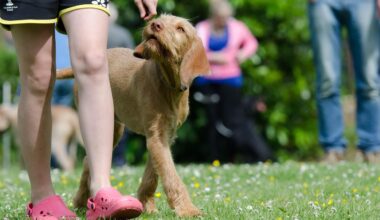

The Link Between Breed Traits and Submissive Behavior Issues
Submissive behavior issues in dogs can often stem from various breed traits. Some breeds are inherently predisposed to showing submission, influenced by their history of working alongside humans. Breeds such as Labrador Retrievers and Golden Retrievers often display more submissive traits due to their cooperative natures. These loyal and eager-to-please dogs tend to develop submissive behaviors, especially when they perceive a potential threat or challenge. In situations where they’re uncertain, they may exhibit behaviors such as cowering, lowering their body, or even rolling over. Small breed dogs, like Chihuahuas, can also show submission, but they often compensate with a feisty attitude. Understanding these breed characteristics is critical in addressing submissive behaviors effectively. Utilizing training methods that reinforce confidence and leadership can help mitigate these issues. Positive reinforcement, when paired with proper socialization, empowers a dog and fosters a sense of security. Also, being attentive to your dog’s body language will aid in recognizing triggers that lead to submission. Training methods that promote self-assurance are fundamental, especially for breeds vulnerable to submissive behavior.
When addressing submissive behavior issues, recognize the role of genetics and environment. Genetics determine a dog’s fundamental disposition, including behavioral tendencies such as submission. However, environmental factors like early socialization or past trauma significantly influence behavior as well. A dog that has experienced harsh training or neglect may react submissively even if its breed does not typically exhibit such traits. For instance, a normally confident German Shepherd can become overly submissive if exposed to stressful situations during formative months. Therefore, proper socialization during the puppy stage is vital in cultivating a well-adjusted adult dog. Exposure to various environments, people, and other animals helps reduce anxiety and build confidence, essential traits for mitigating submissive behavior. Training should include positive reinforcement techniques, discouraging negative behaviors, and enhancing trust between the dog and its owner. Creating a well-structured routine signals security for many dogs and fosters positive habits. Engaging in training and providing consistent, clear instructions helps the dog understand its role. Owners should remain patient and consistent while addressing these issues, as overcoming submissive behavior traits may take time.
Understanding Submissive Body Language
Recognizing submissive body language is essential when working with dogs that exhibit these behaviors. Dogs express submission through various visual cues, which can be easily identified with close observation. Behaviors such as a lowered head, tucked tail, and rolled-over body typically indicate that the dog is feeling submissive or threatened. This helps owners identify when their pet feels uncomfortable or insecure, allowing for appropriate intervention strategies. Additionally, avoiding direct eye contact and approaching the dog slowly can help reduce their anxiety in these situations. It’s crucial for owners to respond to these behaviors with compassion, as punishment can intensify their insecurity. Instead, create a calm environment where the dog can feel safe and supported. Through consistent, gentle training approaches, the dog begins to associate positive experiences with previously anxiety-inducing situations. Building a bond of trust allows the dog to feel more at ease, contributing to a decrease in submissive behavior. Finally, rewarding bravery when your dog encounters stressors can go a long way in reinforcing positive behavior, helping to reduce submissiveness over time.
Also, consider the impact of breed-specific traits when assessing submissive behavior issues. Some breeds naturally exhibit softer temperaments, making them more susceptible to submissive behaviors under stress. Breeds like Cavalier King Charles Spaniels are typically warm and affectionate, yet their sensitivity may lead to increased submissive displays compared to breeds like Borders Collies. Understanding this variance can help owners tailor their training to suit the dog’s unique needs. Training methods should be flexible and compassionate, recognizing that different breeds and personalities require distinct approaches for improvement. Implementing a training plan that caters to these needs boosts both the dog’s confidence and behavior management. Awareness of the dog’s family history can also provide insight into possible behaviors. Breeders and shelters can sometimes offer information that affects your dog’s temperament. Understanding these hereditary tendencies assists in developing strategies to address submission effectively. Additionally, remaining aware of breed-specific challenges fosters a greater appreciation for your dog’s strengths and weaknesses, ultimately leading to a happier, more well-adjusted dog.
Training Techniques for Confident Behavior
Effective training techniques can significantly help alleviate submissive behaviors in dogs. Focus on strategies that cultivate confidence rather than punishment for submissive displays. Techniques like obedience training, agility exercises, or engaging educational games can inspire self-assurance in your pet. Additionally, consistent exposure to various environments helps your dog develop a well-rounded character. Socialization should be undertaken during puppyhood, yet adult dogs can benefit from opportunities to learn as well. Participating in group classes can create safe settings where dogs can interact with their surroundings positively. This encourages command adherence and fosters peer relationships, essential skills for a confident dog. Isolation and repeated exposure to only one environment may reinforce submissive tendencies. Owners must remain proactive in offering diverse experiences and training challenges. With ample encouragement, the right training can lead to transition from a submissive demeanor to a confident companion. Furthermore, implementing reward-based training programs encourages dogs to engage without fear. This not only boosts obedience but also fosters a positive relationship between the dog and its owner.
Remember that consistency in training is pivotal. Establishing clear expectations and consistently practicing commands boosts a dog’s ability to learn effectively. Submissive dogs often thrive under structured routines as they foster feelings of stability and reliability. Whether through daily routines or training sessions, predictability can significantly alleviate anxiety. However, variation is also essential; introducing new commands or activities keeps the dog engaged without overwhelming it. Building trust requires patience, and owners must refrain from harsh corrections. Instead, embrace gentle guidance that aids in transitioning your dog from a submissive mindset to a confident one. Off-leash training can be particularly beneficial, allowing dogs to experience freedom, enhancing their independence while reinforcing their owners’ leadership. In practice, this establishes the owner as a positive leader in the dog’s life, promoting a balanced relationship. Celebrate small victories along the way. Each positive encounter strengthens the bond and builds a dog’s confidence. Over time, this combination of routines, gentle guidance, and trust-building exercises fosters a healthy environment where submissive behavior gradually diminishes.
Final Thoughts on Managing Submissive Behavior
In summary, understanding the link between breed traits and submissive behavior issues plays a vital role in effective management. Owners must consider both genetic predispositions and environmental influences to provide context for their dog’s actions. The importance of early socialization, thoughtful training, and consistent routines cannot be overstated when it comes to overcoming submission-related challenges. Additionally, recognizing and addressing submissive body language can significantly aid in developing successful training regimens. Every dog is unique; approaching each situation with empathy and understanding will leave room for progress. The commitment to address submissive behaviors requires time and effort, yet the rewards are well worth it. Owners who invest in their pet’s emotional health are rewarded with stronger bonds and happier companions. For many dogs, learning to trust their humans alleviates feelings of insecurity. Remember to celebrate gradual improvements along the journey. Seek guidance from professional trainers if necessary to find approaches tailored to your dog’s needs. With diligent effort and love, you can help your dog flourish, overcoming submissive tendencies and becoming a confident, joyful member of your family.
Continuing to educate oneself about dog behavior as well as persistent engagement is key in understanding your dog’s submissive behavior. Recognizing behavioral patterns not only brings awareness to a specific pain point but allows exploration of potential solutions. Consult reputable sources or industry professionals to create a comprehensive plan. Combined knowledge and actionable steps improve the likelihood of a positive outcome while helping owners cultivate stronger relationships with their pets. Whether utilizing online resources, workshops, or literature, absorption of knowledge can unlock new techniques and insights, arming owners with tools to tackle behavioral challenges. Ultimately, each dog deserves the chance to feel confident and loved. With patience, dedication, and an understanding of their breed traits, transforming submissive behaviors into confidence is achievable. Remember that negative experiences in the past do not define your beloved pet’s future; with the right mindset and approach, any dog can thrive in a nurturing and structured environment.