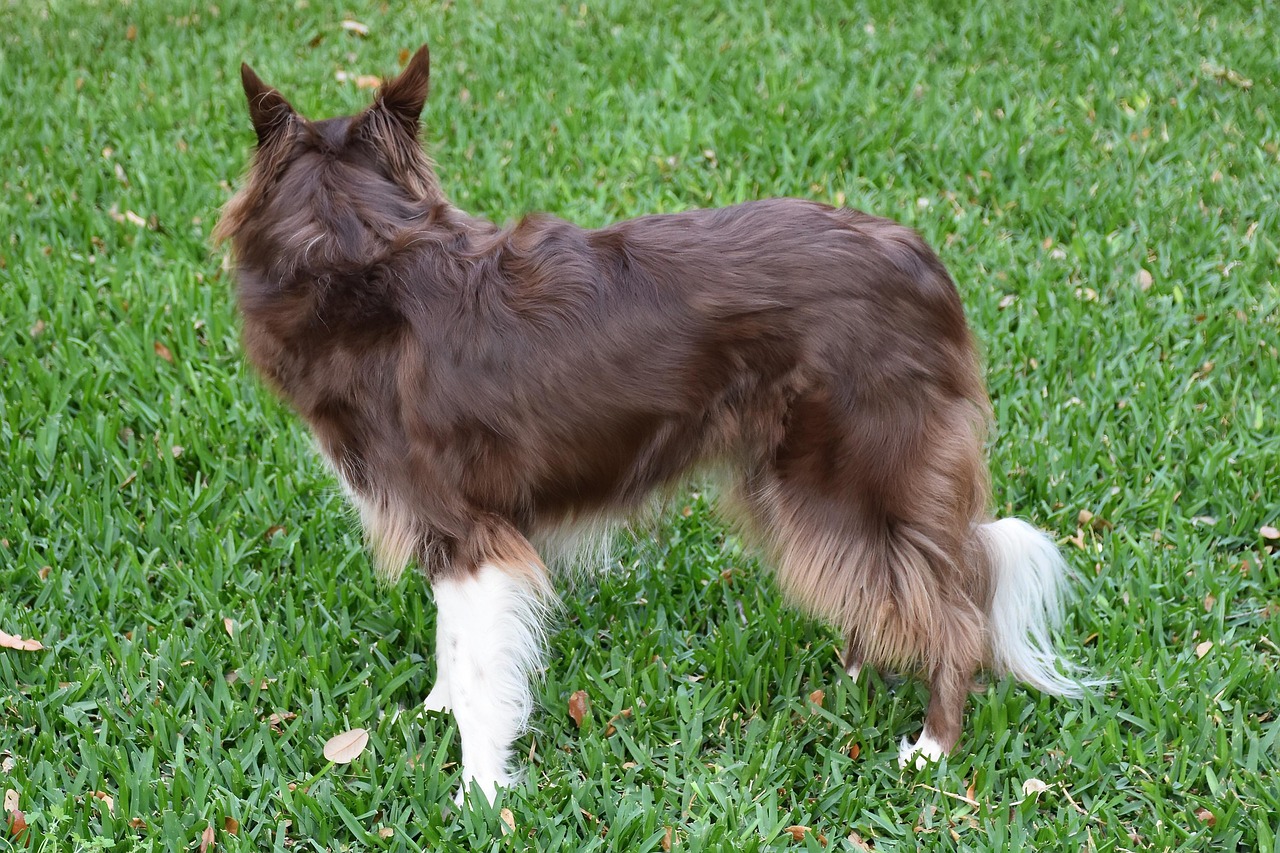

Understanding Shedding in Dogs
Dog shedding is a natural process influenced by several factors, including breed, health, and environmental conditions. Different dog breeds exhibit distinct shedding patterns, which can be a surprise to new pet owners. Some dogs shed consistently throughout the year, while others have specific seasons for shedding. For instance, many double-coated breeds tend to shed heavily during the spring and fall. Understanding these patterns is essential for managing your dog’s grooming needs effectively. Regular grooming not only helps control shedding but also keeps your dog’s coat and skin healthy. Moreover, it reduces allergens in the home, creating a cleaner environment for both pets and humans. Owners can also observe how their dog’s diet and overall health impact shedding. Proper nutrition can lead to a healthier coat and may reduce excessive shedding. To manage seasonal shedding, consider using grooming tools specifically designed for different coat types. Breeds with long hair or dense undercoats often require specialized brushes or de-shedding tools. Being aware of your dog’s unique shedding patterns simplifies maintenance and enhances well-being.
Heavy Shedding Breeds to Consider
Some dog breeds are notorious for heavy shedding, making them a challenge for owners conscious of cleanliness. Breeds such as the German Shepherd, Siberian Husky, and Golden Retriever are known for their significant hair loss, particularly during seasonal changes. Owners of these breeds should be prepared for extensive grooming sessions, especially in the spring and autumn months. In fact, weekly brushing is essential to keep their coats healthy while minimizing loose hair around the house. Regular de-shedding tools can help greatly during these peak shedding periods. Additionally, many heavy-shedding breeds benefit from baths during shedding seasons, as this can help to loosen the hair. It’s also crucial to consider the dog’s living environment; dogs that live in warmer climates may shed more frequently to regulate body temperature. Understanding the shedding cycles will help owners plan grooming sessions and manage their cleaning routines. Being proactive with a shedding management plan can help owners cope with this natural occurrence. Health and nutrition should also be monitored closely, as poor diets could aggravate shedding issues.
Breeds With Minimal Shedding
On the other end of the spectrum, some dog breeds are ideal for those seeking minimal shedding. Breeds like the Poodle, Bichon Frise, and Shih Tzu have hair rather than fur, significantly reducing the amount of shedding. These non-shedding breeds are popular among allergy sufferers and those with a keen desire for cleanliness in their homes. However, it’s important to note that minimal shedding does not mean no maintenance. Regular grooming is still essential to prevent matting and to keep their coats healthy and vibrant. Grooming sessions every four to six weeks can help maintain their uniquely textured coats. Additionally, these breeds often require specific grooming tools suited for their coat type, such as slicker brushes and clippers for trimming. Owners should also be mindful of the fact that these dogs can require more frequent visits to professional groomers. This can be an added expense, but the benefits of having a non-shedding breed can greatly outweigh the grooming costs. Educating oneself about the required maintenance helps owners feel prepared.
When considering a dog breed, it’s vital to think about shedding not just in terms of cleaning but also the potential for allergies. Some dogs produce less dander and, as a result, can be better suited for sensitive individuals. The Basenji is one such breed often recommended for allergy sufferers, boasting low shedding and dander levels. Other breeds, like the Maltese and Portuguese Water Dog, are also favorable choices for minimizing allergic reactions, as their coats tend to hold hair rather than release it into the environment. Awareness of these factors is crucial for prospective dog owners when deciding what type of dog fits their lifestyle. It’s also beneficial to consult with a trusted veterinarian or a breed specialist to determine the best fit based on personal circumstances and living situations. They can help in deciphering specific breed characteristics and potential grooming requirements. Choosing a dog involves careful consideration of shedding characteristics, ensuring a harmonious relationship with both pet and owner. A suitable dog can improve quality of life significantly while fitting seamlessly into the owner’s home environment.
Managing Seasonal Shedding Effectively
To manage seasonal shedding effectively, owners can implement a comprehensive grooming routine throughout the year. A regular brushing schedule can significantly reduce the amount of loose hair in the home. During peak shedding seasons, the use of high-quality de-shedding tools can prove especially useful in controlling the volume of hair shed. Grooming not only captures falling fur but also helps distribute natural oils, enhancing coat shine and freshness. Bathing your dog with shedding-specific shampoos can assist in loosening hair, making it easier to remove. Moreover, it’s advisable to incorporate a balanced diet enriched with Omega fatty acids to promote skin health and resilient coats, reducing excessive shedding. Hydration also plays a key role in keeping the skin and fur healthy. Dogs should have constant access to fresh water. Regular veterinary check-ups can help ensure that shedding isn’t associated with underlying health issues. Carefully monitoring seasonal shed levels helps keep owners informed and prepared to act accordingly. Finally, consistency is critical to managing shedding successfully over time, ensuring a comfortable environment for both pet and owner.
Tools for Dog Grooming
Selecting the appropriate grooming tools is essential for effective seasonal shedding management. Various tools exist, and each serves a different purpose, suited to a variety of coat types and textures. A slicker brush, for example, is perfect for detangling and removing loose hair, particularly in dogs with long or thick fur. For double-coated breeds, a combination of an undercoat rake and an appropriate de-shedding tool is vital for thorough grooming. Likewise, certain breeds benefit from specialized grooming gloves that help collect hair while also massaging the skin, enhancing the bond between dog and owner. Additionally, investing in a good vacuum designed for pet hair can drastically ease the burden of cleaning around the home. Portable lint rollers can also be handy for quick cleanups of furniture and clothing. Regularly maintaining grooming tools is similarly important to ensure their effectiveness. Dirty tools can irritate skin and fail to perform adequately. Routine cleaning will help prolong their lifespan and performance during grooming sessions, contributing significantly to managing shedding throughout the year.
Overall, anticipating shedding patterns is essential for dog owners looking to maintain a clean home and healthy pet. Factors such as breed type, seasonal changes, and individual dog health should guide owners in customizing their approaches to grooming and cleanliness. For example, planning for bi-weekly grooming for heavy-shedding breeds in spring can greatly reduce stress levels for both the dog and owner. Observing how much hair is collected during brushing can inform adjustments regarding grooming frequency. Establishing a grooming calendar aligning with shedding seasons offers an organized approach. Additionally, understanding the psychology behind a dog’s temperament can aid owners in managing the grooming experience. By creating a positive atmosphere and using gentle techniques, it will encourage dogs to cooperate during grooming sessions. Keeping a dog entertained and rewarded with treats can also help make the process enjoyable. Overall, successful shedding management benefits both dogs and their families greatly, leading to a more pleasant living environment. Investing time and effort into understanding your dog’s unique shedding patterns can result in a fulfilling and harmonious relationship.