
Recognizing Early Warning Signs of Aggression in Dogs
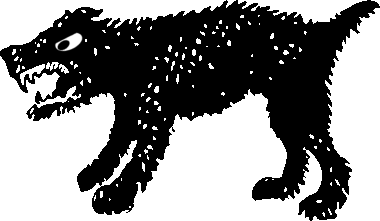
Understanding canine behavior is essential, particularly when dealing with aggression in dogs. Recognizing the early warning signs can make the difference between a peaceful household and a potentially dangerous situation. Early indicators of aggression may include changes in body language, vocalizations, and general demeanor. Body language is particularly telling; for instance, a dog showing raised hackles, a stiff posture, or a fixed stare may be feeling threatened. Another key sign is the growl; while it may be a natural warning, interpreted by some as a sign of play, it is critical to perceive it as a serious warning. Barking can also indicate discomfort, especially if it becomes more intense. Other signs, such as lip lifting and snarling, should never be ignored. They are clear precursors to potential aggression. Being proactive about interpreting these signs can aid in preventing escalation. Socialization and training from an early age are paramount, allowing for the establishment of boundaries and appropriate behaviors. Further, managing the dog’s environment for their triggers can significantly reduce the likelihood of aggression. Always consult a professional trainer when in doubt.
Dogs, like humans, have their own individual personalities and temperaments. This individuality can cause varied reactions in different situations, leading to aggression becoming more apparent depending on the dog’s past experiences. Fear is a primary cause of aggression; dogs that have faced trauma may react aggressively to perceived threats. Recognizing the context of a dog’s behavior is vital. An anxious dog, for instance, may show signs of aggression when approached, even if there is no actual threat. Similarly, a dog that is protective of its owner or territory may also respond aggressively. Always pay attention to the environment and the dog’s response to various stimuli. For example, a growl or a bark could signify discomfort with children or strangers. Ensuring that your dog feels secure can help mitigate these responses. Using positive reinforcement training can be effective. Rewarding calm behavior promotes a more peaceful demeanor. Moreover, establishing a safe space can help a dog feel more in control. Consulting a veterinarian can also be beneficial to rule out any underlying health issues that might be contributing to aggressive behavior.
Another concerning behavior to observe in aggressive dogs is resource guarding, which can manifest in a dog’s possessiveness over food or toys. It is critical to properly train these behaviors through positive reinforcement. Resource guarding may indicate underlying insecurity; typically, a dog will growl or snap to protect something they perceive as valuable. Training should focus on redirecting this behavior by providing a resource-rich environment, allowing the dog to feel secure in their resources. Gradually working on changing the dog’s relationship with their valued toys or food can be effective. Always practice patience. If the dog allows you to approach while eating, reward this behavior with treats or verbal praise. Additionally, consider demonstrating low-profile and calm body language when interacting with a dog exhibiting this behavior. Understanding canine body signals is crucial; look for signs of relaxation, as they indicate progress. Ensuring that a dog has ample socialization opportunities can also lessen the urge to guard resources. Always strive for a supportive training environment that allows for learning without damaging the dog’s confidence.
Emotional Triggers
Emotional triggers in dogs often stem from fear, anxiety, or inadequate social interaction. These triggers can manifest aggression when they feel threatened or cornered. To mitigate this, dog owners must learn to recognize when their pets are displaying anxiety or fear-driven aggression. For example, a dog displaying avoidance, such as backing away or tucking its tail, is signaling discomfort. Owners should approach cautiously and respectfully in such scenarios. Moreover, understanding the specific triggers is key to reducing aggression; dogs may react negatively to certain sounds, movements, or unfamiliar animals. With this awareness, owners can take preventive measures, like creating controlled social situations or ensuring a calm environment at home. Training exercises should aim at desensitizing the dog to its stimuli. Incorporating calming techniques such as soothing voice tones or practice sessions in controlled settings can promote comfort. Over time, this creates a safer environment for both the dog and owner. Finally, maintaining a consistent routine establishes security. Regular walks, playtime, and training sessions not only keep dogs physically active but also mentally stimulated. This reduces pent-up energy that may lead to aggressive behavior.
Another factor highly associated with canine aggression is poor communication between humans and their dogs. Many owners unknowingly misinterpret their dog’s body language or vocalizations. Miscommunication can exacerbate anxiety and promote aggressive reactions. For instance, an excited wagging tail is often misread; while it can indicate happiness, a faster wag can signify agitation. Similarly, prolonged eye contact can be perceived as a challenge to a dog, leading to aggressive responses. Thus, ensuring open lines of communication is vital for behavior management. Training sessions should incorporate teaching proper dog handling and an understanding of body language. Equally, owners should learn to observe their dog’s comfort levels in various environments. Regular training can reinforce appropriate responses to triggers. Moreover, home-based training exercises can assist owners in using positive reinforcement techniques effectively. Viewing training as a fun, bonding activity fosters a cooperative relationship. Engaging in group classes or social outings can also enhance communication skills and provide valuable experience for both dogs and owners. Associating with other well-balanced dogs can improve social behaviors in a controlled way. Consequently, the potential for aggression decreases as the dog feels more secure and supported.
Professional Guidance
Seeking professional guidance is crucial when it comes to modifying aggressive behavior in dogs. Professional trainers and behaviorists offer tailored advice based on the specific needs of each dog. Approaching aggression issues with the help of a trained expert can ensure effective management and safety. Trainers can provide insights into tailored behavioral modification plans that consider factors like breed, history, and environment. These professionals have tools and techniques designed specifically to work through aggression. One core strategy involves creating a positive reinforcement plan that rewards desirable behavior while curtailing aggressive responses. Furthermore, working with a trainer allows for real-time feedback and direct observation of interactions and behaviors. A trainer may also assist in developing safe management practices when interacting with other pets or during socialization. It’s important to recognize that modification takes time, often requiring patience and consistency, both from the owner and the dog. Group classes can enhance social skill development under professional supervision. Collaboratively, trainers and dog owners can build a robust foundation for better communication and understanding, which are key to managing aggression behavior effectively.
Remember, consistent training and a positive approach to behavior management foster a more peaceful environment for aggressive dogs. Patience throughout the process is crucial, especially when working with a dog predisposed to aggression. Using gentle verbal cues, coupled with understanding, will lead to more positive outcomes than punitive measures would. Rather than focusing solely on correcting aggressive behavior, it can be beneficial to reinforce calm and relaxed states in the dog. Establishing a routine, such as a designated exercise schedule, can significantly reduce anxiety, leading to better overall behavior. Additionally, creating safe spaces within the home where the dog can retreat during stressful moments can improve their comfort levels. Regular interactions with well-behaved dogs can enhance social skills and reduce aggression triggered by unexpected encounters. Positive associations, through the integration of treats or toys during these interactions, also help shift perceptions. Ultimately, a harmonious relationship between dog and owner is built on mutual trust, respect, and understanding. A proactive approach will not only ensure the safety of people but also enhance the emotional well-being of the dog. Engaging in ongoing education about canine behaviors is beneficial for achieving a successful training outcome.
These steps lead towards a calmer, happier canine companion. If a dog owner feels overwhelmed, remember that seeking help is a proactive step in ensuring their dog’s well-being. Utilizing available resources, including local trainers and online workshops, can allow owners to gain valuable insights into dog behavior that are often not covered in conventional settings. Joining community groups can offer support and a sense of belonging among other dog owners facing similar challenges, fostering a supportive network that shares experiences and solutions. Research studies indicate that mutual support significantly benefits dog owners and their furry friends, enhancing the overall training process. As a final note, recognize that every dog is a unique individual. The journey to overcoming aggression may present challenges, but it also offers opportunities for growth and connection. With dedication and an open mind, transforming an aggressive dog into a well-mannered pet is achievable. Embrace every success, no matter how small, as these moments contribute to the bond between dog and owner. Maintaining a positive attitude, alongside professional guidance, sets the stage for long-term success in training efforts. Lastly, always approach your dog with love and compassion for lasting results.