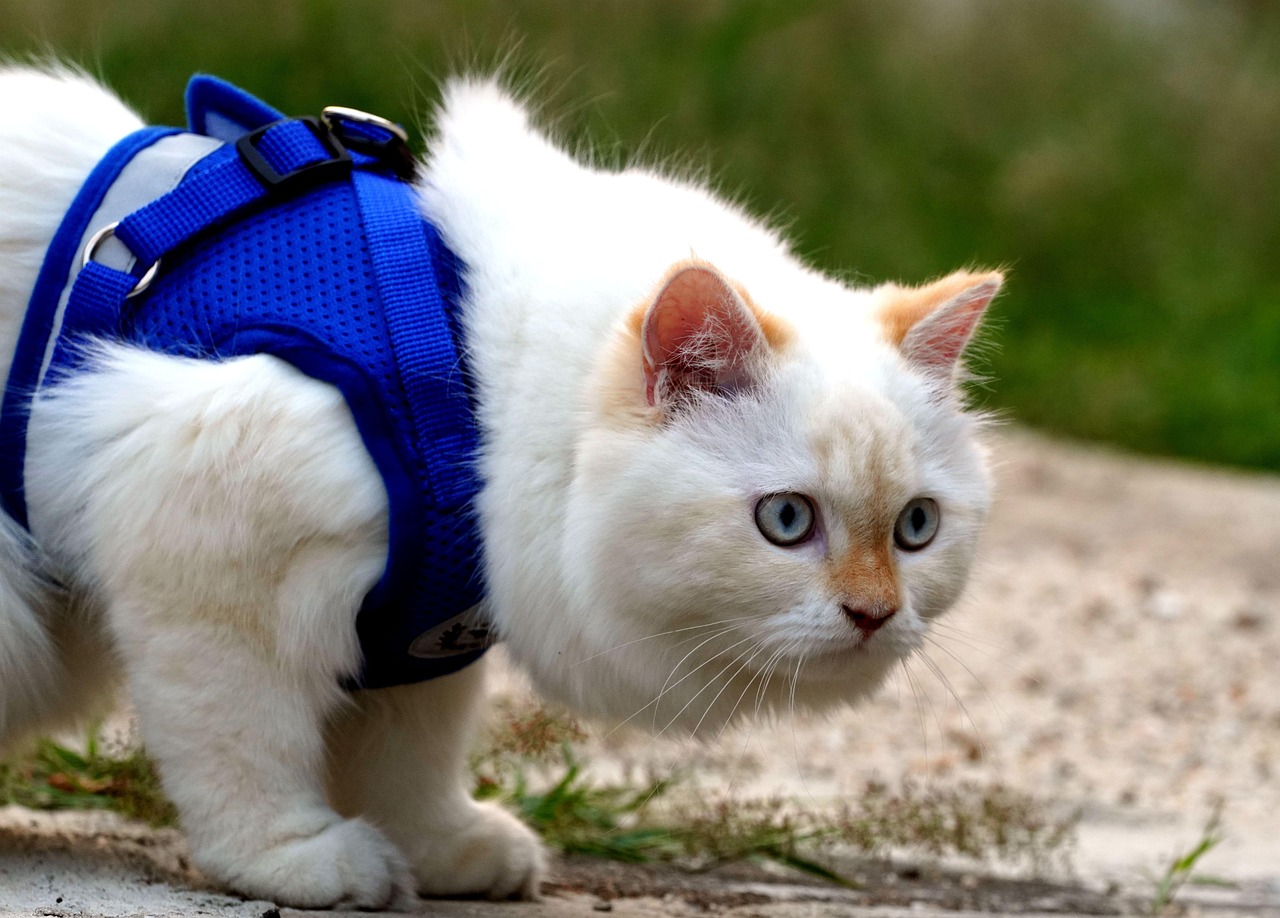

Harness Training for Nervous or Shy Cats: Tips and Strategies
Many cat owners experience challenges when trying to train their cats, especially nervous or shy ones. Harness training is an effective way to get your cat accustomed to new experiences and help them feel secure while exploring the outdoors. To help your cat acclimate to wearing a harness, it is essential to choose a comfortable and well-fitted harness. Look for models designed specifically for cats and make sure it’s adjustable to ensure a snug fit. Once you have the harness, allow your cat to sniff and explore it at their own pace. Don’t rush this process, as gradual exposure can help build their confidence. View it as a positive experience, rewarding them with treats to create a strong association with the harness. Once they’re comfortable with the harness, you can slowly attach the leash while supervising their movement. Practice short, indoor walks to build familiarity before venturing outside into new environments. Keep patience, as every cat adapts at their unique pace and gentle encouragement can be very effective during this transition.
Another crucial aspect of harness training involves gradually increasing your cat’s exposure to the harness and leash. Start by introducing the harness in a safe, familiar space and let your cat wear it for short intervals. You may notice signs of distress, but it is essential to remain calm and patient. It is advised to engage in playtime or offer treats while they wear the harness, as it associates positive experiences with it. Once your cat seems nonchalant about wearing the harness indoors, it’s time to try the leash. Allow your cat to roam freely in your home while attached to the leash, keeping it loose initially. This will help your cat understand that they can still move and play despite having the leash on. Next, plan short outdoor trips to explore their surroundings. Select a quiet location to prevent overwhelming your shy cat. During these initial outings, keep the leash slack to allow them the freedom to investigate their new surroundings at their pace. It’s essential to monitor their reaction closely and ensure they remain comfortable throughout these experiences.
Building Confidence with Controlled Exposures
As your cat becomes more accustomed to wearing the harness and exploring outdoors, it is vital to introduce various stimulus gradually. This could include encountering other pets or people as they gain more confidence. Start with low-stress environments where they can detect sounds, sights, and smells without too much excitement. Observe their behavior during initial outdoor experiences; it’s essential to read their body language for signs of stress or fear. If your cat appears anxious, retreat to a quieter location to help them regain comfort. You can also create controlled exposure to various stimuli by visiting public parks or quieter areas with few distractions. Encouraging exploration in a relaxed manner while maintaining consistency with treats or praise can reinforce their confidence. Scheduled frequent short walks can help establish a comfortable routine. Ensure you reward them for good behavior afterward, making each outing a positive experience. Remember that this process might take time, and patience is critical, especially for shy or anxious cats who require extra support during their training. Every triumph, no matter how small, contributes to their confidence.
Establishing a sense of safety for your cat is imperative during the harness training process. Choosing the right location for training can significantly determine whether your cat integrates comfortably into the experience. Aim to select quiet, familiar areas where they can disassociate from stressful environments. Acclimatizing your cat to outdoor sounds and scents in a non-threatening atmosphere ensures that they are not overwhelmed. Be sure to visit places that offer potential for engagement without excessive noise or distraction. While training outside, maintain a calm demeanor, speaking softly to reassure your cat, especially if they seem apprehensive. Consider involving a trusted friend or family member, as having two caregivers can provide additional support. Avoid sudden movements or loud noises that may startle your pet. If at any point you sense your cat is overwhelmed, don’t hesitate to retreat to a quieter area or return home. Over time, as they build associations with the harness and leash, you can begin lengthening your training sessions. With patience and encouragement, you will observe your cat gradually transforming into a more confident and adventurous companion.
Understanding Your Cat’s Body Language
Recognizing your cat’s body language is an essential skill when it comes to harness training. Each cat has unique signals that reflect their comfort level. Common signs of anxiety or fear might include flattened ears, twitching tails, or rigid body posture. Conversely, when a cat feels secure, they demonstrate relaxed postures, purring, and even playful swatting. Paying close attention to these subtle behaviors enables you to adjust your training tactics accordingly, ensuring the experience remains engaging and comfortable for your cat. If you notice they are displaying stress cues, take a break and provide them with some calming time before proceeding. If they’re obligated to wear a harness, always prioritize their feelings and make adjustments for their comfort. Creating a safe environment helps your cat feel at ease, significantly impacting their learning experience. Incorporate regular breaks during training to give them time to explore freely. Consulting with your veterinarian or a feline behaviorist can also help you understand your cat’s specific personality, enabling you to design a training approach tailored to their needs. Every small step will lead to progress in your harness training journey.
Utilizing innovative techniques can also enhance your cat’s harness training experience. Clicker training, for example, is a fantastic method to reinforce positive behavior. Associating the sound of the clicker with their successes helps your cat learn more quickly. Begin by clicking the device to mark specific actions like wearing the harness calmly or walking without resistance, immediately followed by a treat. This creates a clear communication line between you and your cat, ultimately reinforcing desired behaviors. Additionally, make use of enticing toys to encourage movement and exploration while wearing a harness. By inviting them to engage in playful activities while they have the harness on, you facilitate a leap towards confidence. Incorporating these techniques will transform what can be a stressful experience into a fun game for your cat. Remember that each cat is unique, and therefore, tailoring your approach will yield the best results. Never hesitate to consult resources or professional trainers who specialize in feline behavior if you encounter challenges during training. Your efforts to equip them with new experiences will surely pay off over time.
Preventing Common Mistakes During Training
While harness training your cat, avoiding common pitfalls is vital for a successful experience. Rushing the process can be detrimental, leading to resistance or anxiety. Patience is paramount at every step. Allow your cat to progress through each phase at their pace without any undue pressure. Pushing them too quickly to wear a harness or explore unfamiliar areas can result in negative associations. Moreover, it is critical to check the fit of the harness regularly to ensure it’s not too tight or too loose. A poorly fitted harness can lead to discomfort and significantly detract from the training process. Moreover, consistency in training is equally important; practice should remain a regular part of your routine to build their confidence over time. Ensuring that training sessions are short and engaging will generally hold your cat’s attention more effectively. Always incorporate positive reinforcement methods, such as treats or praise, throughout your sessions, as it will encourage good behavior. Lastly, remember to enjoy the process, and celebrate every milestone, no matter how small. Your attitude can influence your cat’s experience significantly!
Finally, it’s essential to maintain a positive atmosphere during cat harness training. All experiences should feel encouraging rather than stressful. Celebrate small victories, like successfully clipping on the harness for the first time or taking a few steps outdoors. Your cat will need to realize that harness training is not a punishment but an opportunity for exploration and fun. Reaffirm that you enjoy the time together, whether playing in the yard or wandering the neighborhood. Document your journey with pictures to capture the advancements your cat makes through training, which can also be helpful in reviewing progress. Finishing each training session on a high note will create a lasting, positive impression and make your cat more likely to engage during future sessions. Lastly, remember that every cat has its journey; some will take longer than others, and that’s perfectly okay. Ensuring they feel loved and secure throughout the process is the ultimate goal. Your companionship will ultimately enhance their confidence and enjoyment in the world, so stay committed to this journey. With time, determination, and kindness, you will be amazed at your cat’s transformation during this harness training adventure.