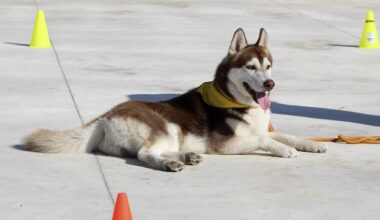

Vitamin E Supplements and Their Role in Senior Dog Health
As our furry friends age, their nutritional requirements change significantly, especially concerning their immune and cardiovascular systems. Vitamin E is a vital nutrient that acts as an antioxidant, helping to protect cells from damage caused by free radicals. This is particularly important for senior dogs, as their bodies may no longer function as effectively, making them more susceptible to various illnesses. Supplementing with Vitamin E can help enhance their overall health and vitality. Some benefits of Vitamin E include its contribution to skin health, immune function enhancement, and support for cognitive function. For aging dogs, ensuring a proper balance of this vitamin can lead to improved longevity and a better quality of life. It is also important that owners consult with veterinarians prior to introducing any supplements, even those that seem as harmless as Vitamin E. Individual health circumstances and dietary needs can greatly influence the effectiveness of supplementation. Overall, providing a balanced diet along with appropriate supplements may aid in managing the aging process effectively for senior dogs.
Benefits of Vitamin E for Senior Dogs
Vitamin E is essential for maintaining optimal health in senior dogs, playing several key roles that greatly benefit them as they age. Firstly, it is known for its antioxidant properties, which help in neutralizing harmful free radicals that can cause oxidative stress. This is crucial in preventing degenerative diseases that often affect older dogs. Additionally, Vitamin E contributes significantly to skin health, promoting a shiny coat and reducing dryness or irritation, which can be common problems for senior pets. The nutrient also supports cardiovascular health by maintaining proper blood circulation and heart function. Enhanced immunity is another major benefit, as Vitamin E helps strengthen the immune response, allowing senior dogs to ward off infections more effectively. Furthermore, this vitamin is pivotal for neurological health and cognitive function. Older dogs may experience cognitive decline, and Vitamin E supplementation may improve mental clarity and focus. Lastly, it’s important to consider proper dosage, as too much Vitamin E can lead to health complications. Owners should always monitor their dog’s response to any new supplement closely.
While the importance of Vitamin E is clear, it’s vital to understand the different forms available on the market. Natural Vitamin E, derived from plant oils, is generally more bioavailable than synthetic forms, meaning that senior dogs can absorb and utilize it more effectively. One should look for products that specify their sources clearly. Common sources of natural Vitamin E include vegetable oils like sunflower and safflower oil. Chewable formats or soft gels are also popular, which can make administering the supplement easier. Dosage recommendations for senior dogs can differ significantly based on size and existing health conditions. Hence, discussing the best regimen with a veterinarian is crucial to tailor supplementation to individual needs. Furthermore, combining a good-quality diet with Vitamin E supplements can yield even better health outcomes. Foods enriched with Omega fatty acids can work synergistically with Vitamin E. Always ensure that your senior dog’s overall diet is aligned with their specific health requirements and activity level, as nutritional needs can vary greatly among aging dogs, depending on their lifestyle and health status.
Dietary Sources of Vitamin E
For those who prefer to provide nutrients naturally, many dietary sources of Vitamin E can be incorporated into your senior dog’s meals. Certain foods are rich in this essential vitamin, including leafy greens, nuts, seeds, and various vegetable oils. Spinach and kale stand out as excellent options; they can be added to homemade dog food recipes for an enhanced nutritional boost. Incorporating nuts like almonds can also provide this vital nutrient, although moderation is key due to their fat content. Supplements may still be necessary, especially if dietary intake is insufficient or if the dog has special health needs. Particularly for senior dogs, a well-rounded diet, in conjunction with supplementation, can lead to overall well-being and improved vitality. Pet owners should be cautious with human foods, since some, like macadamia nuts, can be toxic to dogs. Proper education about safe food options is essential when focusing on enhancing your dog’s dietary intake of Vitamin E. Consulting with a veterinarian for tailored dietary advice is always a wise course of action when adjusting your when enhancing your senior dog’s nutritional profile.
In addition to dietary considerations, the timing of Vitamin E supplementation is also critical for senior dogs. Certain health conditions, such as arthritis and inflammation, may warrant a specific schedule for administering these supplements. Providing Vitamin E at certain times of the day can maximize its absorption, depending on other concurrent medications or supplements your senior dog may be taking. For example, combining it with meals can help enhance uptake due to the presence of fats in the food. Keeping a consistent schedule can also help you monitor your dog’s response to the supplements more effectively. Observing any changes, either positive or negative, is crucial in making necessary adjustments with your veterinarian. Furthermore, being aware of conventional medications your dog is on can prevent any possible interactions with supplements. Regular check-ups allow for timely blood tests and other diagnostics that can help in evaluating the effectiveness of the supplementation regimen. In essence, structuring a daily routine that includes both nutritional considerations and supplement timing will contribute significantly to your senior dog’s health management.
Potential Risks and Considerations
While Vitamin E is generally considered safe for dogs, there are potential risks and side effects to be mindful of, especially in senior dogs who may be on other medications. Over-supplementation can lead to health issues such as vitamin E toxicity, which could manifest as gastrointestinal disturbances or coagulopathy (issues with blood clotting). As with any supplement, it’s crucial to follow veterinary guidance on dosage and duration of use. Some dogs may also suffer from allergies to certain forms of Vitamin E, and it’s essential to monitor your dog for any abnormal reactions when introducing a new supplement. Furthermore, if your senior dog is undergoing any surgical procedure, it might be necessary to discontinue Vitamin E supplementation a few days prior. This is to prevent any risks associated with blood clotting. Similarly, if your dog has underlying health issues like pancreatitis, caution should be exercised with any dietary changes or supplements, including Vitamin E. Ensuring an open line of communication with your vet regarding concerns will be beneficial for safe and effective supplementation.
In conclusion, Vitamin E plays a significant role in promoting health and well-being in senior dogs. Its antioxidant properties, combined with other health benefits, make it a valuable addition to the diets of aging pets. Pet owners should strive to provide a nutrient-rich diet paired with appropriate supplementation to improve their senior dog’s quality of life. Collaborating with a veterinarian ensures that the correct dosage and specific health needs are adequately addressed. Regular health assessments and dietary adjustments should be part of the care routine, allowing owners to adapt as their dog’s needs evolve over time. The aging process can present numerous challenges; however, with thoughtful nutritional strategies, we can support our furry companions in living longer, healthier lives. Ultimately, the happiness and vitality of senior dogs can be significantly enhanced through proper nutrition, tailored supplementation, and unwavering love and care. By understanding and addressing the unique needs of senior dogs regarding nutrition, we can provide them with the vibrant life they deserve, even in their golden years.
As the final takeaway, remember that managing the health of senior dogs is a multi-faceted approach that includes diet, exercise, and regular veterinary care. Awareness of their changing physical needs and nutritional requirements becomes essential, especially in addressing deficiencies that might arise with age. Including Vitamin E in your senior dog’s nutrition strategy can be a proactive measure toward ensuring their lasting vitality. Maintain consistency in monitoring their condition and adapt accordingly. When introducing any new supplements or dietary changes, take the time to evaluate their specific needs with the help of a certified veterinarian. Through responsible ownership and attention to dietary details, we can enhance not only our senior dog’s health journey but increase the quality of their life. Therefore, a combination of good food, essential vitamins, and love is necessary to keep our older furry friends happy and healthy. Investing in their nutrition now can lead to happier years in the future. Make smart choices as a pet owner, and you will witness the positive effects on your senior dog’s health and happiness day by day as they grow older.