
Intestinal Parasites in Cats: What Every Owner Should Know
As a cat owner, understanding the common intestinal parasites that can affect your feline friend is crucial. Intestinal parasites, such as roundworms, tapeworms, and hookworms, pose significant health risks to cats. These parasites can cause various health issues, ranging from mild digestive upset to severe malnutrition. It’s essential to regularly monitor your cat for any signs of infestation. Common symptoms include vomiting, diarrhea, weight loss, and a bloated abdomen. Timely intervention can prevent more serious complications and ensure your cat’s overall health. To protect your cat, you should also educate yourself about these parasites and how they spread. Cats can become infected by ingesting contaminated food, water, and even through contact with infected animals or surfaces. Proper hygiene and regular veterinary check-ups are essential for prevention and early detection. Here, we explore the different types of intestinal parasites in cats, their transmission methods, and effective ways to manage and control these pesky invaders. By understanding what you’re up against, you can keep your cat happy and healthy for years to come.
Roundworms are among the most common intestinal parasites found in cats. These worms resemble spaghetti and can live in your cat’s intestines, where they feed on nutrients and can cause gastrointestinal distress. Kittens are particularly susceptible to roundworms, as they can acquire them from their mother’s milk. Symptoms of roundworm infection may include diarrhea, vomiting, and a noticeable increase in appetite despite weight loss. If your cat presents with these signs, it is crucial to consult your veterinarian for a proper diagnosis and treatment. Treatment often involves administering deworming medications, which are typically effective in eliminating the infestation. To prevent roundworms, maintain a clean environment for your cat, supervise outdoor activities, and practice responsible breeding. Regularly deworming kittens and adult cats as recommended by your vet will also reduce the risk of infection. Additionally, good hygiene practices, like washing hands after handling litter boxes and preventing cats from hunting rodents, can help keep your feline companion parasite-free. Always be vigilant when bringing new cats into your household, as they can introduce parasites easily.
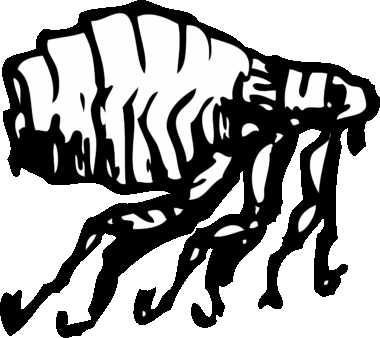
Tapeworms are another common intestinal parasite affecting cats, specially those that hunt. They are segmented worms that can live in the intestines of cats, growing quite long over time. A telltale sign of a tapeworm infestation is the presence of small, rice-like segments in your cat’s feces or around the anus. These segments are actually the tapeworm’s eggs and indicate that your cat needs treatment. Cats typically become infected with tapeworms by ingesting fleas that carry the larval form of the parasite. Therefore, controlling flea infestations in your home is essential for preventing tapeworm infections. Treatment usually involves administering a deworming medication prescribed by your veterinarian, which will efficiently eliminate the tapeworms. To prevent future infestations, ensure your cat is on a consistent flea control program and keep your living environment clean. Regularly groom your cat and check for fleas to reduce the risk of tapeworm transmission. By taking these preventive measures, you can protect your cat from tapeworms and improve overall health, allowing them to thrive in a clean, safe environment.
Hookworms are less commonly discussed but are nonetheless dangerous intestinal parasites that can impact your cat’s health. They are small, thin, and can attach themselves to the intestines, leading to blood loss. Hookworm infections can occur through ingestion or skin penetration, making it crucial to monitor your cat’s environment for potential exposure. Symptoms of hookworm infection may include anemia, diarrhea, and lethargy. If you suspect your cat has hookworms, promptly consult with your veterinarian for testing and treatment options. Blood tests and fecal examinations can confirm the presence of these parasites. Treatment typically includes deworming medication to kill the adult hookworms, followed by supportive care for recovery, especially in severe cases. Preventing hookworm infections can be achieved through responsible pet ownership, such as avoiding contamination of food and water with feces. Regular veterinary visits and fecal tests are essential for early detection and management of these parasites. Keeping your cat’s living space clean and ensuring they avoid potential sources of hookworm exposure will significantly reduce their risk of infection.
Prevention and Control
To keep intestinal parasites at bay, implementing regular preventive measures is paramount. Start with routine veterinary check-ups for your cat, which can help identify any potential infections early. Vaccinations, heartworm medication, and parasite control programs play a vital role in protecting your pet’s health. Discuss with your veterinarian about tailored prevention for intestinal parasites. Regularly cleaning litter boxes and disposing of waste promptly can significantly reduce the risk of parasitic infections within the home. It’s essential to maintain a hygienic environment for your cat. Additionally, preventing your cat from roaming outdoors will minimize contact with other animals that may harbor parasites. If your cat must go outside, consider training them on a leash to prevent hunting or catching infected prey. Furthermore, feed your pet high-quality commercial cat food and avoid allowing them to eat raw meat or fish, which can be a source of parasites. Staying proactive ensures that your feline friend remains free from parasites and can lead a healthy, parasite-free life.
In conclusion, being informed about the different types of intestinal parasites affecting our cats can help every owner take prompt action when needed. Regular check-ups with your veterinarian are vital for prevention and monitoring. Watch for various signs such as changes in appetite, lethargy, or digestive issues that could indicate the presence of parasites. Understanding the life cycles and transmission methods of common parasites helps in implementing effective prevention strategies. Make sure to establish proper hygiene practices, provide preventive medications, and maintain your living environment to reduce the likelihood of infestations. Additionally, educating yourself about new treatments and updates in veterinary science will empower you as a responsible pet owner. By adopting a proactive approach and staying informed, you are taking crucial steps to protect your cat from intestinal parasites. A healthy cat not only enjoys a quality life but also brings joy to your home. Caring for your feline friend means being vigilant about their health and well-being. Together with professional guidance and diligent care, you can ensure your beloved pet remains parasite-free.
For more information, consider checking reputable sources on cat health and parasites. Websites such as the ASPCA and local veterinary associations offer a wealth of accessible knowledge regarding common parasites and prevention methods. Reading reliable articles and studies will further enhance your understanding while helping you make better decisions about your cat’s health. You can also join forums or social media groups that focus on cat health issues to exchange experiences and advice from fellow cat owners. Always consult with your veterinarian before implementing any new treatments or preventive measures. Enriching your knowledge not only helps in keeping your cat healthy but also strengthens the bond you share with your pet. Remaining educated about feline health creates a happier, healthier environment for both you and your furry companion. Ensure that you are taking actionable steps and implementing preventive measures to keep those parasites at bay. Your dedication to understanding and caring for your cat’s health speaks volumes about being a responsible pet owner. With the right information, you can decisively combat the threat of intestinal parasites.