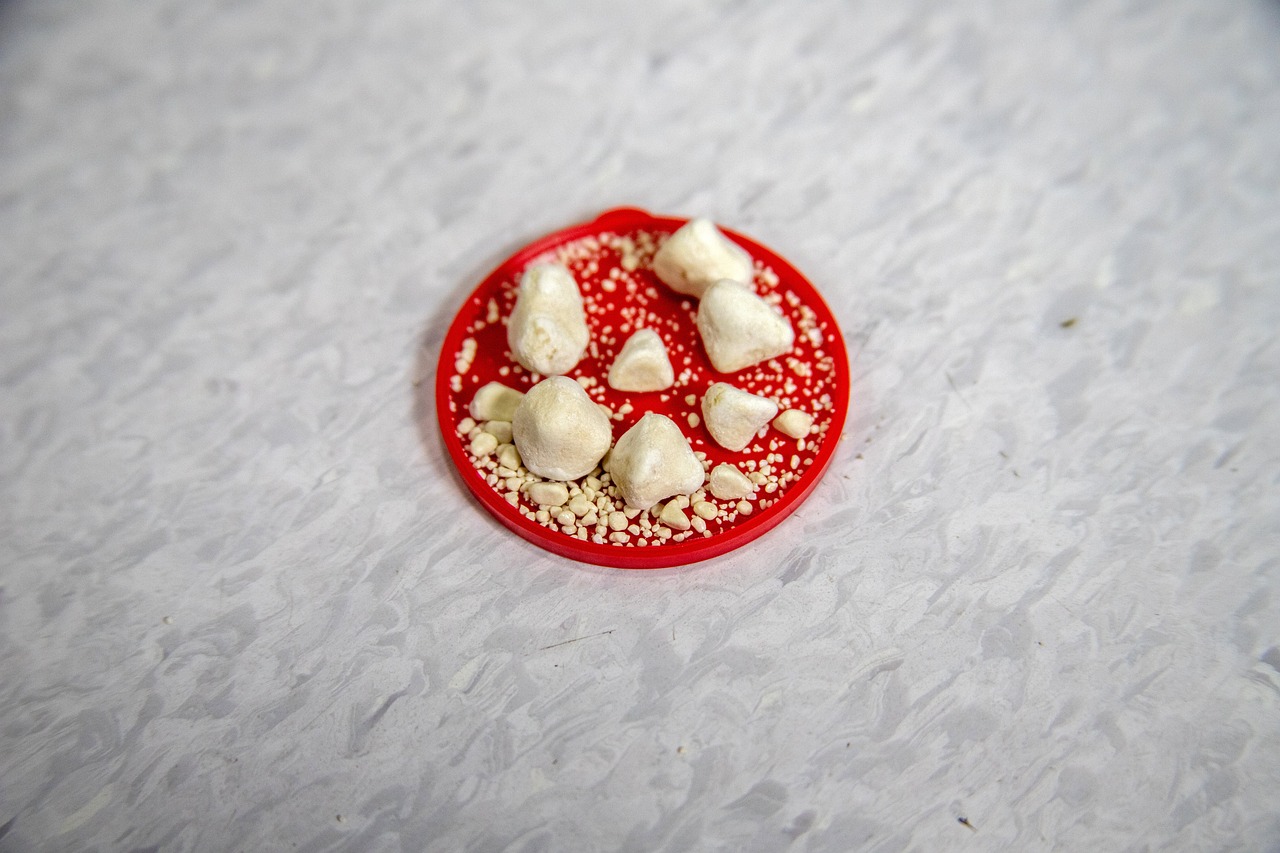

Medications and Treatments for Cat Urinary Blockages
Cat urinary blockages can be quite severe and require immediate attention. When a cat experiences urinary blockage, it can lead to pain and discomfort. The primary goal in treating this condition is to relieve pain and remove the blockage quickly. Your veterinarian may start with a thorough examination to determine the underlying causes. Once the diagnosis is confirmed, various medications and treatments are available to aid recovery. It’s crucial to follow your vet’s instructions and not administer any medications without professional guidance. Additionally, keeping the cat hydrated is essential, as it helps flush out toxins and prevents further complications. The first line of treatment often includes analgesics to manage pain, diuretics to promote urinary flow, and antispasmodics which can relax the bladder. For severe cases, a urinary catheter may be placed to relieve the blockage. Ensure regular check-ups and observe any signs of recurring blockage. Most important is maintaining a calm environment to help your cat feel safe and manage stress. Owners play a significant role in monitoring their pet’s urinary habits.
Diet plays a vital role in managing and preventing cat urinary blockages. Feeding your cat a well-balanced diet designed to promote urinary health can significantly reduce recurrence rates. Special prescription diets that are low in magnesium and phosphorus can help in dissolving crystals. Ensuring that your cat drinks plenty of water will also aid in preventing blockages. Some owners even provide wet food to increase hydration levels. Adding water fountains or flavoring water can encourage drinking. Monitor your pet’s diet closely; note any changes in eating habits that could indicate underlying issues or discomfort. Providing an enriching environment that includes access to multiple litter boxes may help in detecting potential problems early. Routine vet visits can facilitate early detection of urinary issues. Furthermore, probiotics may help enhance gut health, thus contributing to overall wellness. Don’t hesitate to consult your vet about options best suited to your cat’s needs. Remember, every cat is unique, so treatments should be tailored accordingly. Keeping a diary of your pet’s urinary behavior can yield insights and facilitate better prevention strategies.
Monitoring and Home Care
After addressing a urinary blockage, home care is crucial to ensure your cat’s recovery. Regular monitoring during this period may help in identifying any complications early on. Keep an eye on your cat’s litter box habits, noting the frequency and any changes in urination patterns. Blood in the urine, excessive straining, or lethargy can indicate additional issues. If you observe any alarming signs, it’s essential to contact your veterinarian immediately. Adhering to the treatment plan provided by your vet is vital for solid recovery. Schedule follow-up appointments to monitor your cat’s progress. During this recovery phase, you may also be advised to adjust your cat’s diet further or discuss more medications depending on their condition. It’s also beneficial to maintain a stress-free environment; providing quiet spaces allows your recovering pet to relax. Additionally, considering the use of pheromones can be an effective way to reduce anxiety levels in pets. Gentle playtime when your cat feels up to it can help as an exercise to boost recovery. Always remember to shower your pet with love and attention during this critical time.
In cases where conservative management fails, surgical intervention may be necessary for severe urinary blockages. Surgical options often involve cystotomy, where the bladder is opened to remove stones or resolve an anatomical issue. This procedure is more invasive and usually more expensive, but it can offer a definitive solution to recurrent blockages. Post-operative care is essential; your veterinarian will supply guidelines to follow, ensuring your cat heals smoothly. This may include prescribed medications for pain relief and antibiotics to prevent infections. Recovery time can vary; depending on the nature of the surgery, some cats may require additional veterinary visits for ongoing check-ups and post-operative assessments. Effective communication with your veterinarian plays a role in addressing any concerns during this time. Cats recovering from surgery must be kept calm and restrictive play should be enforced. Providing a clean environment is vital for recovery, as is ensuring they have access to high-quality food and hydration. Accept the importance of being observant of your cat’s behavior during the recovery period. Identifying problems early ensures timely interventions and successful outcomes on their journey to recovery.
Preventative Measures
Preventing urinary blockages requires a multifaceted approach that considers various factors. One of the most important preventive measures is maintaining proper hydration levels. Encourage your cat to drink more water by providing multiple water bowls around the house, or incorporate a pet water fountain, which can entice them to drink more fluid. Along with hydration, paying close attention to diet is key; specialized dry and wet cat food can significantly benefit urinary health. Routine vet check-ups for early detection of potential issues and prompt addressing of any changes in urination patterns are also crucial. Regular grooming is vital, especially for long-haired breeds, as matting can lead to urinary problems. Stress management is essential; create a calm environment to reduce anxiety and help maintain overall health. Simple strategies like providing vertical spaces or hiding spots can stimulate a cat’s natural instincts and reduce stress. Avoid sudden changes to their environment, as cats thrive on routine. Always keep litter boxes clean and accessible. Understanding your cat’s behavior and needs fosters a proactive approach to prevention.
Education about cat urinary issues is critical for pet owners. Being informed increases the likelihood of recognizing issues early on. Read up on common symptoms, such as difficulty urinating, excessive licking of the genital area, or strange postures while trying to urinate. Knowledge empowers owners to take action promptly. Learning about specific risk factors can help in prevention; for example, certain breeds may be predisposed to urinary issues. Understanding the importance of good nutrition and hydration will enable pet owners to make better decisions regarding their cat’s health. Associating with other cat owners and veterinary forums can provide additional resources and support. It is important to establish a strong relationship with a vet who understands your cat’s health history. Together, a collaborative approach can be taken towards managing their health effectively. Investing time in further education and learning about ongoing advancements in veterinary care contributes to the long-term well-being of your feline companion. A well-informed owner is ultimately the best defender against the unpredictability of cat urinary blockages.
Conclusion
In conclusion, addressing urinary blockages in cats involves a combination of prompt veterinary care, medication, dietary management, monitoring, and potential surgical interventions. Knowledge of treatment options and preventative measures can significantly improve outcomes for affected cats. Encouraging hydration, tailoring diets, and recognizing symptoms early are key preventative strategies. Home care supports recovery, with attentive monitoring making it easier to catch any signs of complications before they require urgent care. Additionally, education will empower pet owners to make informed decisions for their feline friends. Ultimately, keeping felines happy and healthy requires commitment, knowledge, and love. Emphasizing a holistic approach to health care will prevent urinary blockages and ensure long-term wellness. Always consult your veterinarian for professional advice tailored to individual pets. These strategies create a lively, enjoyable life for your beloved cat. Taking a proactive and informed stance, along with providing the love and nurturing that every cat deserves, will reduce the recurrence of urinary health issues. A happy cat equates to a happy owner; prioritize proactive measures for a thriving feline companion.
This is a hard-coded term that meets the criteria.