
Research Update: The Genetics of Canine Hip Dysplasia
Canine hip dysplasia (CHD) is a multifactorial disorder that affects the hip joints of dogs, leading to arthritis and pain. Recent studies emphasize the importance of genetic factors in the development of this condition. The condition is particularly common in large breeds, suggesting that certain genes may influence susceptibility. Researchers are investigating specific genetic markers linked to hip dysplasia to develop more effective screening methods. Understanding genetics is paramount for breeding programs aiming to minimize the incidence of CHD in future generations. Furthermore, many dog owners remain unaware of the hereditary nature of this disease, highlighting the need for better education. Genetic testing can identify carriers of conditions that lead to CHD, allowing for informed breeding decisions. This access to information increases the potential for healthier offspring. Continued research is essential to explore the interplay between genetics and environmental factors, including diet and exercise. Ultimately, an integrative approach will be the key to reducing the prevalence of hip dysplasia while improving overall canine health. By focusing on genetic contributions, veterinarians and breeders can work collaboratively towards a future where hip dysplasia is significantly reduced.
Genetic Research Findings
Recent advancements in genetic research have illuminated several key findings in relation to canine hip dysplasia (CHD). Specific genes have been identified that play a significant role in the growth and development of hip joints. For instance, polymorphisms in genes associated with growth hormone signaling pathways show strong associations with hip dysplasia phenomena. Furthermore, genome-wide association studies (GWAS) have been integral in pinpointing these genetic variations that predispose certain breeds to CHD. These findings underscore the importance of targeted breeding strategies that could shape the health of future canine generations. Genetic variations can now be screened for, enabling potential owners to make informed decisions when selecting breeding pairs. Moreover, collaboration between geneticists, veterinarians, and breeders is necessary to implement these strategies effectively. As genetic testing becomes more accessible, the hope is to create breeding practices that reduce the overall incidence of hip dysplasia significantly. In parallel, educating dog owners about these advancements can promote informed choices in purchasing and breeding dogs. The continuous study and understanding of genetics will provide a foundation for tackling CHD within the canine population.
In addition to genetic factors, environmental influences cannot be overlooked when discussing canine hip dysplasia (CHD). Factors such as nutrition, exercise, and overall lifestyle play a crucial role in managing the disease. For dogs with a genetic predisposition, maintaining a healthy weight is particularly important. Excess weight places additional stress on the hips, exacerbating any existing conditions. Research has shown that appropriate nutrition during the growth stages of a puppy can significantly affect joint development. Therefore, tailored diets, particularly for large breeds, should be prioritized to minimize risks. Routine exercise is equally essential; however, it must be well-structured to avoid overexertion of young, developing joints. Imposing restrictions against high-impact activities in young dogs can prevent the worsening of any incipient joint issues. Moreover, strategies such as early detection through screening protocols aid in timely interventions. This multifaceted approach caters not only to the prevention of the disease but as a component of long-term health management. Moreover, it reflects the necessity for a collaborative effort between breeders, veterinarians, and dog owners to advocate for dog well-being. Thus, an integrative view fosters healthier canines overall.
The Role of Veterinary Medicine
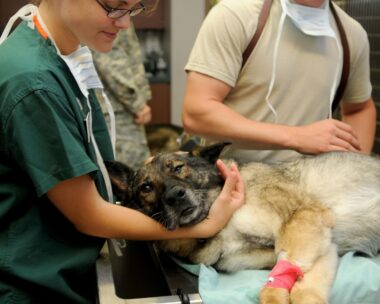
Veterinary medicine plays a pivotal role in the early detection and management of canine hip dysplasia (CHD). Regular veterinary check-ups are critical for recognizing signs of hip dysplasia, including lameness or decreased mobility. Veterinarians can recommend appropriate diagnostic imaging, such as X-rays, to assess the hip joints accurately. Diagnostic evaluations help to determine the severity of dysplasia and guide treatment recommendations. These may include weight management, anti-inflammatory medications, or surgical interventions, depending on the degree of joint deterioration. Importantly, owners should be proactive in discussing their dog’s family history with their vets. This conversation is vital for assessing potential risks related to inherited conditions. In recent years, veterinary professionals have increasingly advocated for genetic testing prior to breeding. This proactive strategy encourages responsible breeding practices while fostering healthier offspring. Additionally, educational resources from veterinarians help to demystify hip dysplasia for dog owners. Such efforts promote awareness regarding the condition and its genetic roots. As research continues to advance, the veterinary community remains at the forefront of implementing innovative strategies for managing canine health issues effectively, shaping a future with healthier breeds and improved animal welfare.
For breeders, understanding the genetic aspects associated with canine hip dysplasia (CHD) has become an invaluable tool. The emphasis on ethical breeding practices has encouraged a shift towards utilizing genetic screening to identify potential risks in breeding pairs. By incorporating these practices, breeders can aim to reduce the occurrence of CHD in their litters significantly. This approach fosters a gradual yet impactful change across breeds known for their susceptibility to hip dysplasia. Breeders equipped with genetic knowledge can prioritize pairings that will likely yield healthier offspring, ultimately contributing to the long-term health of each breed. Moreover, as the breeding community becomes more attuned to scientific advancements, the importance of collaboration with veterinary professionals also grows. Communication between these parties is essential for ensuring adherence to best practices which promote genetic diversity and mitigate health issues. This increased awareness fosters trust within the breeding community while enhancing overall canine health. As research continues to unveil the genetic complexities of CHD, breeders are also encouraged to document their practices and results. Such transparency cultivates a knowledge-sharing culture that can significantly elevate individual and collective breeding standards.
Future Directions in Research
As the field of canine genetics evolves, the future directions in research relating to hip dysplasia remain promising. Investigating gene-environment interactions may yield new insights that can inform targeted interventions for at-risk breeds. Continued efforts to identify specific genetic markers associated with hip dysplasia will undoubtedly enhance screening processes. Furthermore, there is an increasing interest in exploring the role of epigenetics in the development of CHD, as environmental factors may influence gene expression over generations. Researchers are also focusing on developing predictive models that correlate genetic findings with clinical outcomes, which could significantly influence breeding strategies. As awareness of canine genetic health expands, collaborative initiatives involving universities, veterinary clinics, and breeders may emerge. Such partnerships can facilitate more comprehensive genetic databases, enhancing research efforts. Additionally, public awareness campaigns aimed at educating dog owners about hip dysplasia remain crucial. Owners who are informed can make better choices regarding their pets’ health. Ultimately, ongoing research in this area promises an evolution of best practices and a greater understanding of the genetics behind canine hip dysplasia, benefiting dogs and their owners alike.
In conclusion, the understanding of the genetics behind canine hip dysplasia (CHD) has vast implications for breeders, veterinarians, and dog owners. As more research emerges, it becomes increasingly clear that a multifaceted approach is necessary for effective prevention and management. Genetic screening enables targeted breeding practices, while environmental management focuses on overall canine health. Veterinarians play a crucial role in early detection and treatment recommendations, assisting owners in navigating the complexities of CHD. Educational initiatives are paramount for ensuring that all stakeholders are knowledgeable about the condition and its implications. Breeders must actively engage in genetic testing to foster a healthier future for the breeds they care for. Moreover, as research continues, innovative findings will pave the way for improved understanding and management of CHD. This translates into healthier dogs enjoying better quality of life. Ultimately, collaboration among breeders, veterinarians, and dog owners will yield the most positive outcomes in the fight against hip dysplasia. By combining genetic insights with best practices in care and breeding, a future free from this debilitating condition is within reach.