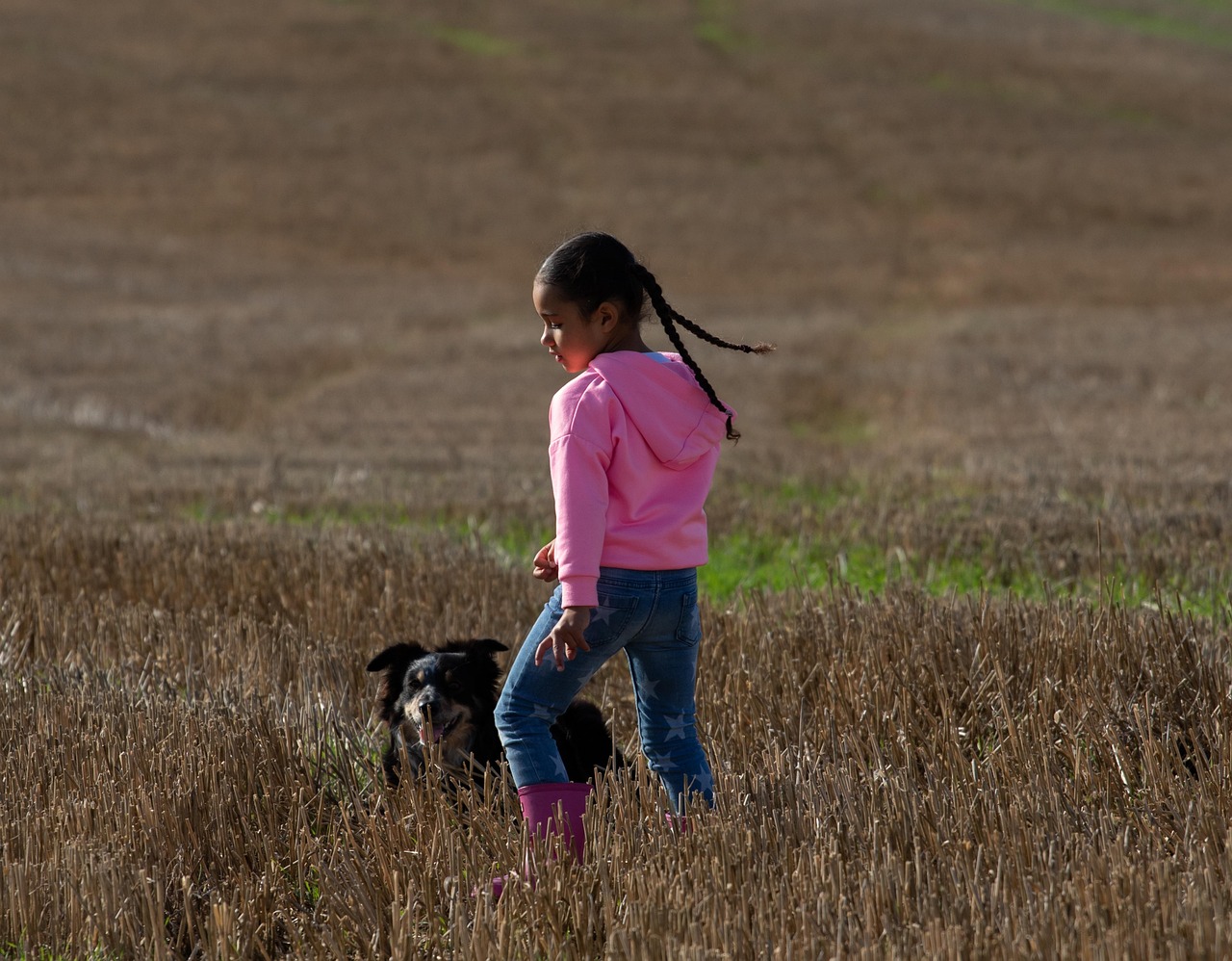

Managing Dogs Around Children in Parks and Public Areas
When bringing dogs to parks and public spaces, it’s essential to ensure a safe environment for both children and pets. Dog owners must understand their responsibilities in managing their dogs to prevent potential accidents. Educating yourselves about your dog’s behavior plays a crucial role in this process. Responsible pet ownership entails maintaining control over your dog’s actions. Utilizing leashes is a primary method to prevent unexpected situations arising. Dogs should be on a leash at all times unless in designated off-leash areas. Off-leash parks can be great spaces for dogs to run freely, but they still require supervision. Furthermore, it is important for dog owners to recognize signs of stress or discomfort in their pets. For example, if you see your dog growling, snapping, or barking excessively, it may be an unsolicited response to children nearby. Also, avoid bringing food or toys that could attract children’s attention, creating potential distractions or conflicts. Engaging in proper training techniques can also foster positive interactions with children. You can consult professional dog trainers for valuable advice on handling your pets near kids. All of these measures contribute to harmonious coexistence in public areas.
Making informed decisions about where to take dogs is vital for ensuring safety in public spaces. While many parks allow dogs, some areas require them to be kept on specific pathways. Ensuring your dog is sociable with children can prevent unexpected occurrences. Knowing your dog’s temperament can also guide your decisions on where to socialize. Some dogs may be overly energetic or possessive and act unpredictably in high-stress situations. If a dog exhibits signs of fear or anxiety around children, avoiding busy areas may be prudent. When kids approach, owners should encourage calm behavior by rewarding their dogs with treats for good manners. Additionally, it can be beneficial to provide children with an understanding of dog body language to promote safe interactions. Educating them on how to approach dogs gently can significantly reduce violence or confusion. Equally, teaching them to ask for permission before petting a dog can foster respect for animal boundaries. Parents should actively supervise their children, ensuring they understand the importance of respecting other animals. By doing so, we create a safer environment for children as well as for dogs enjoying their day at the park.
Tips for Safe Encounters
Approaching dogs safely is critical for children learning how to interact with them. Children should be taught to approach dogs from the side rather than head-on. This technique allows the dog to feel more comfortable and less threatened. Parents should encourage open hands when petting, promoting calmness and safety. Educating children on how to read dog cues can significantly enhance their safety. For instance, if a dog appears stiff or is growling, it’s crucial for children to back away slowly. In addition, it’s essential to instruct kids that they should never tease dogs or invade their personal space, especially when they’re eating or resting. Parents and dog owners alike should coordinate to ensure all parties are respectful during encounters. It might help to establish designated areas in parks for dog play and children’s play. These areas can help keep dog activities separated from child-focused activities. Furthermore, providing dog owners with guidance on proper etiquette in public spaces will yield a more enriching experience for everyone. Ultimately, establishing clear boundaries and safe practices fosters a more enjoyable environment for all park-goers, including pets.
Regular health checks for dogs play a crucial role in keeping everyone safe. Vaccinations and regular veterinary check-ups ensure that dogs do not pose health risks to children. Highlighting the importance of keeping pets up to date on vaccinations requires diligence. Pet owners should also carry information about their dog’s vaccinations when visiting public areas. Some venues necessitate proof of vaccination to ensure a safe environment for all attending. Additionally, addressing any behavioral issues before visits can help to create seamless experiences. Seeking professional advice will prepare your dog for various situations encountered in public. Positive reinforcement techniques are great tools to help adjust a dog’s behavior to accommodate children. If a dog frequently barks or displays aggression, training is paramount. Owners must be proactive in addressing these behaviors prior to any public outing. Encouraging the practice of responsible pet ownership fosters a sense of community. Engaging neighbors in discussions about park etiquette continues to encourage better practices and safety. In doing so, we create a serene space for dogs and families to coexist and enjoy their time together outside.
Conclusion
In summary, managing dogs around children in parks and public areas requires diligence, education, and responsibility. Investing time in training for dogs and educating children on safe interaction is necessary. Parents and pet owners should continuously monitor their dog’s behavior and children’s actions near them. Safe environments can be achieved through open lines of communication between families and dog owners. Promoting understanding of both dog body language and children’s behavior aids in creating mutually respected boundaries. Encouraging dog owners to follow proper etiquette and maintain the rules of local parks will foster positive experiences. These collective strategies significantly enhance safety for everyone involved. Establishing regular playdates while focusing on socialization also provides excellent practice opportunities. It strengthens the bond between children and dogs while eliminating potential challenges in public spaces. By prioritizing these practices, we all contribute to a happier, safer community. To wrap up, harmonious relationships between dogs and families are achievable through proactive measures. Each family can play a role in ensuring safety through awareness, respect, and enjoyment of public spaces.
While organizing playdates, consider varying the location to ensure new experiences for the dog and the child. Different environments expose both parties to several factors, enhancing social adaptability. Observing how your dog reacts to new surroundings helps determine their readiness for larger crowds. If the dog responds positively to new people or places, it indicates they are socially adaptable. Always ensure your dog’s safety by watching their reactions to other dogs and children. Responsible dog ownership extends beyond just training; it encompasses active participation in parks or pet-friendly events. Engaging in community activities strengthens the bond within the local community. Take this opportunity to discuss dog safety and best practices with other pet owners. Sharing experiences can further enrich everyone’s knowledge. Understanding the importance of shared responsibility in keeping children and dogs safe fosters mutual respect and awareness in public spaces. Utilize resources available through local animal welfare organizations to find suitable gatherings. Always remember to prioritize safety and respect the boundaries wherever you are. By taking small, consistent steps, we can create a safer and more enjoyable area for everyone.
Dogs and children can coexist beautifully within community spaces, provided owners take the necessary steps to ensure safety. Well-behaved dogs contribute to enjoyable experiences in parks, while respectful interactions between children and dogs promote a safe atmosphere. Dog-friendly parks should include adequate signage and rules to inform visitors of responsibilities and expectations. Social gatherings can also benefit from holding workshops on responsible pet ownership as well as child safety. Community involvement is instrumental in establishing norms around safety in public spaces. Parents and pet owners can advocate for designated areas that allow for ample space for both dog and child activities. Engaging local authorities in discussions can improve park amenities to accommodate both pets and families. Continuous communication about potential improvements helps sustain positive atmospheres in public areas. Adopting these measures will generate a culture of awareness and understanding. Creating a balance between dog play and child safety significantly enriches public experiences. Ultimately, when communities work together to prioritize safety, everyone benefits, ensuring enjoyable outings for both children and dogs alike. Through conscientious observation and proactive management, we pave the way for harmonious coexistence.