
Exercise as a Natural Remedy for Dog Stress and Anxiety
Exercise plays a pivotal role in maintaining not only the physical health of dogs but also their mental well-being. Regular exercise is essential for all breeds, as it provides an outlet for energy and helps curb behavioral issues. Engaging in physical activities reduces stress levels in dogs, which can result from a lack of stimulation or boredom. Without adequate exercise, dogs often become anxious and exhibit undesirable behaviors, such as excessive barking, chewing on furniture, or digging. These behaviors are their ways of expressing frustration or pent-up energy. By incorporating a structured exercise routine, owners can significantly reduce these negative behaviors. Activities like walking, running, and interactive play are excellent methods to keep dogs mentally stimulated. It’s not just about physical exertion; it’s also about bonding with your pet and enhancing their overall mood. Furthermore, exercise releases endorphins, which are natural mood boosters for dogs. Owners should aim for a minimum of 30 minutes of exercise daily, ensuring that their dogs remain engaged and happy. This consistent physical activity promotes a well-behaved and mentally healthy canine companion.
Understanding how exercise benefits a dog’s mental health requires looking into the science behind canine behavior. Just like humans, dogs require mental stimulation to thrive. One effective way to provide this stimulation is through various forms of exercise. Engaging in activities enhances their focus and reduces instances of anxiety by relieving stress through physical exertion. Dogs that are regularly exercised are less likely to exhibit signs of anxiety, such as pacing or excessive whining, leading to a calmer demeanor at home. Moreover, exercise can significantly improve a dog’s confidence levels. A confident dog is happier and better socialized. Taking your dog to new locations for walks helps them explore and promotes curiosity. This not only solves boredom but also enhances social skills by encountering other dogs and people along the way. Training sessions incorporated into these exercise routines serve dual purposes, as they provide physical activity while reinforcing positive behaviors. By building a consistent routine, owners establish a sense of security, helping to create a balanced and less stressed dog. The positive effects of exercise extend beyond physical health and contribute meaningfully to a dog’s emotional stability and overall quality of life.
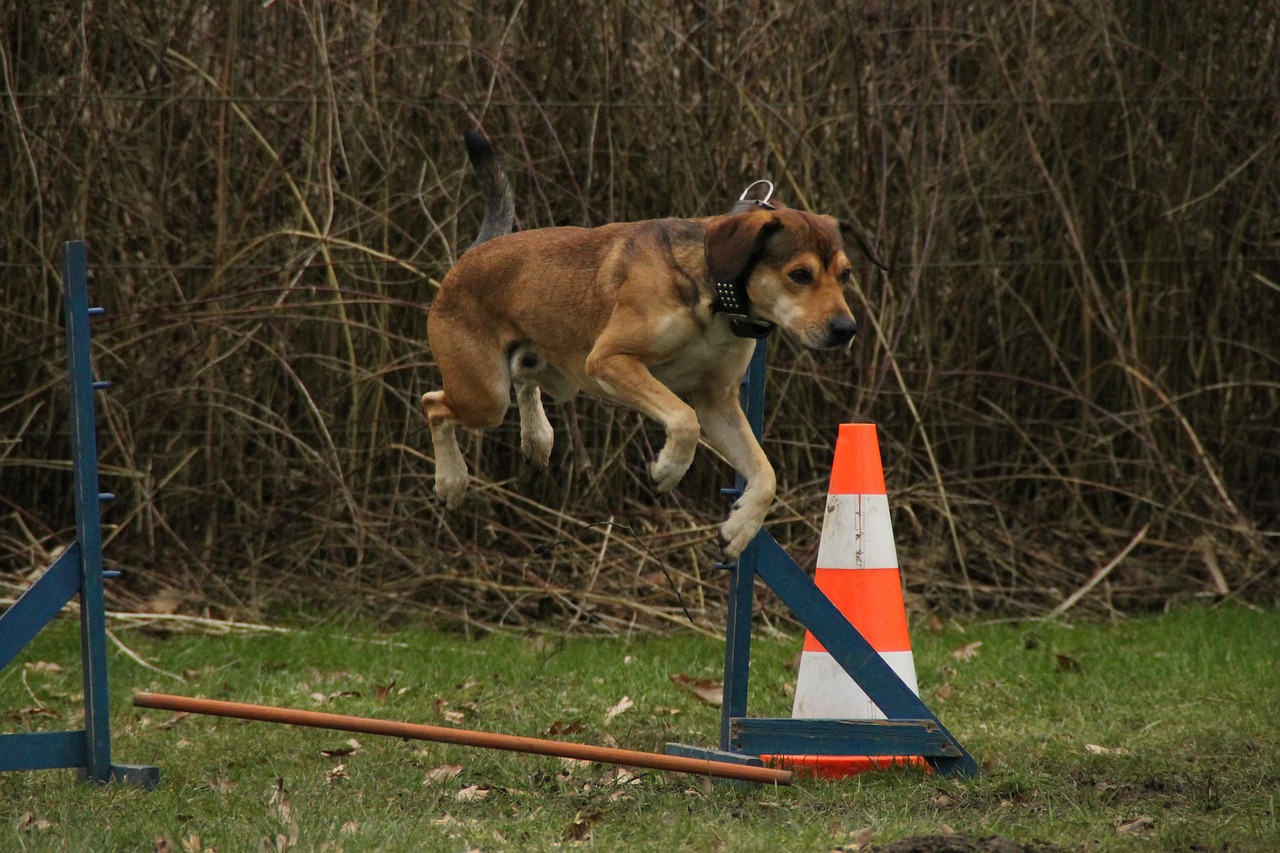
Varying the types of exercises you provide for your dog can keep their routine exciting and engaging. Dogs can get bored easily, so introducing variety is key to maintaining their interest in activities, and this is crucial for their mental health. Choose a mix of exercises that challenge both the body and mind. For example, incorporating fetch, agility training, or even scent work can stimulate their brains while providing physical exercise. Utilizing toys that promote interaction can also make exercise more enjoyable. Puzzle toys that require problem-solving skills not only exhaust your dog physically but mentally as well. Swimming is another excellent exercise option for dogs that enjoy water; it’s low-impact and perfect for dogs of any age. Regularly changing exercise routines helps in keeping their mental health robust. Keeping sessions diverse prevents dogs from falling into a stagnant routine that may lead to stress and anxiety. Spending time exploring different environments, such as parks or nature trails, can also add variety and excitement. Ensuring that your dog enjoys their exercise will encourage them to participate actively, fostering a positive relationship through play and activity.
Identifying Signs of Stress in Dogs
Recognizing signs of stress in dogs is crucial for implementing effective exercise routines. Many owners may overlook subtle indications of anxiety or stress, potentially leading to behavioral issues in their pets. Common signs of stress include panting, excessive barking, repetitive behaviors, or changes in appetite. In some cases, dogs may exhibit more serious symptoms, such as aggression or withdrawal from social situations. Monitoring your dog’s behavior before and after exercise can help identify what they enjoy or find challenging. If a dog shows signs of fear or anxiety while engaging in a specific activity, it’s essential to adjust accordingly. Finding the right balance in exercise intensity and duration ensures your dog’s comfort. Introducing new activities should be done gradually to avoid overwhelming your dog. Observe their body language closely; signs of relaxation and enjoyment indicate that the activity is beneficial for their mental health. Providing a safe environment where your dog can express their feelings is critical. Maintaining open lines of communication with your pet will help tailor exercise routines to their individual needs and foster a stress-free environment at home.
Integrating socialization into your dog’s exercise routine can further enhance their mental well-being. Dogs are social creatures, and interacting with other dogs and people helps them develop healthier emotional responses. Group dog training classes or playdates provide opportunities for positive social experiences. Structured play sessions with other dogs allow them to channel their energy constructively while learning appropriate social skills within a controlled environment. Furthermore, ensuring that your dog meets different people and experiences various stimuli contributes to reducing anxiety in new situations. Regular social activities foster a sense of community and belonging in dogs. It can also enhance their confidence when confronted with unfamiliar situations. When exposing dogs to new experiences, using positive reinforcement techniques encourages them to embrace new challenges rather than shy away. As they grow more comfortable in social settings, it becomes easier to manage any signs of stress or anxiety that may arise. Overall, an exercise routine that incorporates socialization is key for mentally healthy dogs, as it promotes emotional stability and builds lasting bonds with not only their owners but other members of their environment.
Choosing the Right Exercise for Your Dog
Choosing the right type of exercise for your dog is essential to maximize the benefits for their mental health. Different breeds have varying energy levels, temperaments, and exercise requirements, impacting their overall well-being. Active breeds, such as Border Collies or Labrador Retrievers, thrive on intense, high-energy activities like running, hiking, or playing fetch. On the other hand, older dogs or those with underlying health conditions may require gentler exercises such as short walks or swimming. It is also important to gauge your dog’s preferences; they may enjoy specific activities more, contributing to a positive exercise experience. Experimenting with different types of exercises can help in identifying what your dog responds to best. Regularly consulting with a veterinarian ensures that the chosen activities are suitable for your dog’s unique needs. A well-tailored exercise routine considers not only physical stimulation but also mental engagement. This comprehensive approach helps prevent anxiety and stress-related issues from arising. Furthermore, a consistent routine can help enforce the bond between the dog and the owner, enhancing their emotional connection and contributing positively to their mental health.
Incorporating mental stimulation into your dog’s exercise routine can yield significant benefits for their mental health. Engaging in activities that challenge their cognitive abilities helps alleviate stress by keeping their minds occupied. Activities such as hide-and-seek, interactive puzzle toys, or scent games encourage dogs to think critically and solve problems. This type of stimulation allows dogs to exercise their mental faculties while running or playing, creating a well-rounded exercise regimen. Similarly, training exercises that involve learning new tricks or commands also contribute to mental wellness. Owners can create tailored training sessions as part of exercise routines to combine learning with physical activity. Furthermore, exercising in varying environments exposes dogs to new stimuli, preventing monotony and boredom that may lead to stress. Engaging their senses during exercise helps keep dogs mentally alert and satisfied. Regularly including brain teasers and challenges within their routines builds resilience against stress. A mentally stimulated dog is both happy and well-behaved, enjoying life to its fullest. Ultimately, the synergy of physical and mental exercises ensures your dog’s overall health, enabling them to thrive both physically and emotionally.
To sum it up, integrating regular exercise into your dog’s routine is essential for maintaining their mental health. Consistency in physical activities reduces anxiety and stress while improving their overall well-being. Keeping an eye on signs of stress and adjusting exercises accordingly will foster a secure, loving environment for your dog. It’s necessary to recognize that individual preferences and needs play a critical role in selecting the best activities. By including socialization and mental challenges within their exercise routines, owners can provide a comprehensive approach to their dog’s wellness. Through consistent effort in understanding and meeting your dog’s needs, you enhance their quality of life significantly. Knowing the unique characteristics of your dog leads to better exercise choices and healthier, happier pets. Remember, exercise is not just about physical fitness; it’s about nurturing the mind and spirit of your beloved canine companion. Ultimately, the bond between you and your dog strengthens through these shared experiences, ensuring both emotional stability and happiness. Let exercise be a joyful expression of love and companionship, leading your dog towards a balanced and healthy lifestyle.