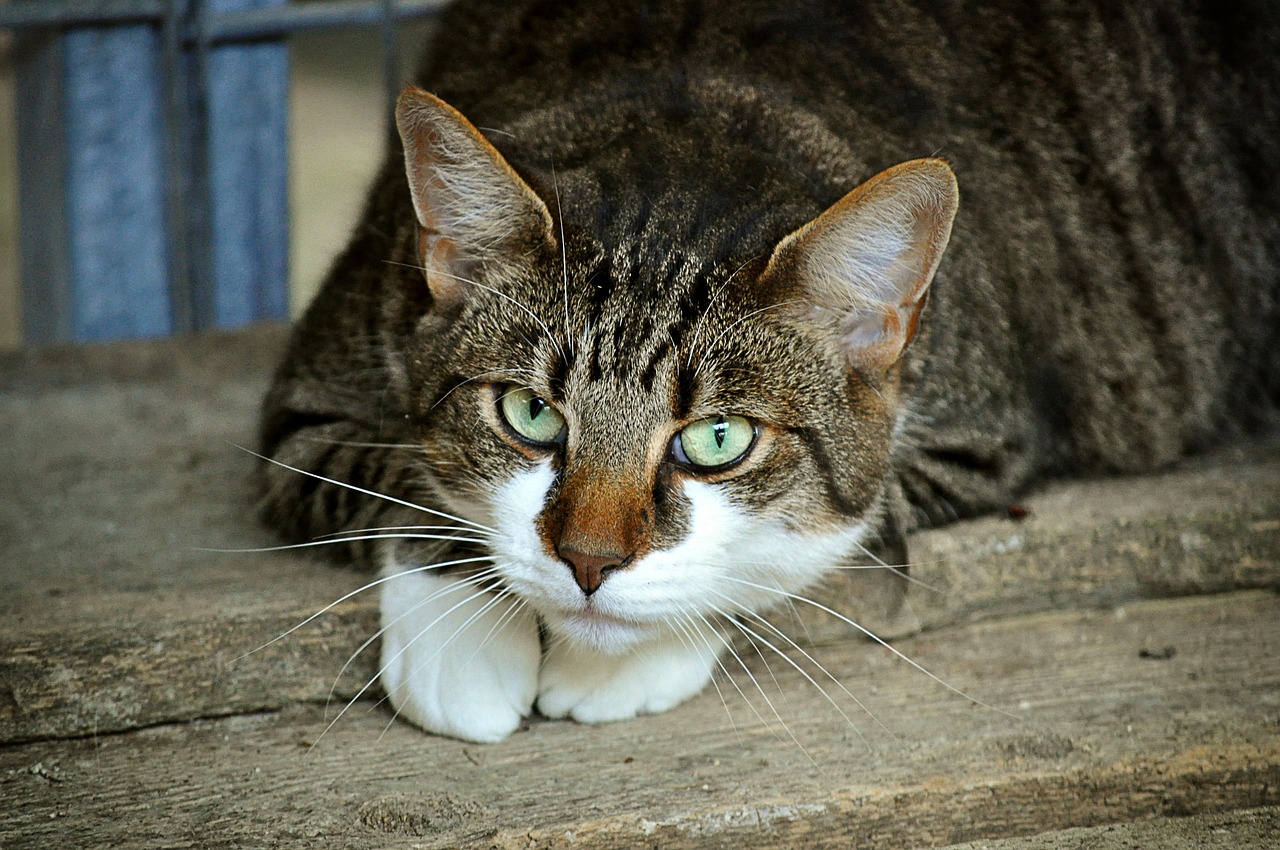

Understanding Feline OCD and Its Link to Overgrooming
Cat behavior problems often manifest in various forms, with overgrooming being one specific issue linked to stress or anxiety in felines. Overgrooming can lead to bald spots on your cat’s body, causing discomfort and potential complications. When cats overgroom, they may lick, bite, or scratch certain areas excessively. This behavior can evolve into a compulsive habit, reminiscent of Obsessive-Compulsive Disorder (OCD). Understanding the reasons behind overgrooming is crucial for effective intervention. Felines may overgroom as a reaction to environmental changes, boredom, or even health issues such as allergies or skin irritations. If a cat notices bald patches developing, it can lead to further distress and behavior issues. Addressing overgrooming requires a comprehensive approach, first ensuring that no medical concerns are present. Consulting a veterinarian is advisable before determining other solutions. Proper diagnosis will identify allergies, infections, or dermatological conditions that could contribute to this compulsive behavior. If physical issues are ruled out, behavioral modifications become necessary. This can include environmental enrichment, stress-reducing techniques, and ensuring the cat feels secure in its surroundings.
Identifying the Triggers of Overgrooming
Identifying the triggers of overgrooming in cats is vital for addressing these behavior problems effectively. Common causes may include stress, anxiety, boredom, or territorial disputes. Stressful experiences such as moving to a new home, losing a companion, or changing the household environment can contribute significantly to overgrooming. Cats are sensitive creatures, adapting to their surroundings, and any sudden changes can lead to heightened anxiety, resulting in compulsive behaviors like overgrooming. Another potential trigger could be an underlying medical issue, such as allergies or skin conditions. Regular grooming sessions can help minimize such issues by keeping their coats healthy and clean. Boredom is another significant factor, particularly in indoor cats who may lack sufficient stimulation. Providing interactive toys, climbing structures, and playtime can alleviate boredom and reduce these compulsive habits. Additionally, if multi-pet households exist, ensuring each cat has their own space can also help diminish stress and territorial conflicts. Identifying and eliminating these triggers requires observation and patience, as each cat’s circumstances may differ. Implementing preventive measures is essential for long-term solutions.
Medical evaluation is essential when addressing overgrooming in cats. Always consult a veterinarian to rule out any underlying health issues before assuming the behavior is purely psychological. Several conditions could manifest as overgrooming, including skin infections, allergies, or parasites. These issues can cause intense itching or irritation, prompting the cat to groom more excessively. Effective treatment for such conditions often alleviates the overgrooming behavior as well. Regular vet check-ups can catch such issues early, allowing for prompt intervention. Additionally, maintaining a healthy diet can positively impact a cat’s overall wellbeing, reducing the likelihood of allergies or skin sensitivities. Another aspect worth considering includes re-evaluating litter types and cleaning products, which may irritate your cat’s skin. If the vet rules out medical issues, it’s then necessary to consider behavioral therapy. Behavioral interventions might involve altering your cat’s environment or introducing calming techniques for a few months. Environmental enrichments, such as providing toys that challenge their instincts, can further contribute to reducing anxiety. It’s crucial to recognize each cat’s unique personality. Felines need individualized care and attention tailored to their specific needs.
Environmental Enrichment for Your Cat
Environmental enrichment is essential for cat owners to consider when addressing behavior problems like overgrooming. A well-stimulated cat is less likely to engage in compulsive grooming. Consider incorporating interactive toys, scratching posts, and puzzle feeders to keep your feline engaged. Providing vertical spaces where cats can climb and perch allows them to observe their surroundings and feel secure in their territory. These spaces can include cat trees and shelves that they can explore. Additionally, having numerous hiding spots can give your cat areas to retreat when feeling stressed or anxious. Regular playtime is also crucial in providing mental stimulation and exercise. Engaging with your cat through play helps strengthen the bond between you while giving them an outlet for pent-up energy. Scheduled play sessions a few times a day can promote physical activity that is vital for their mental health. If your cat enjoys social interaction, consider adopting another cat or pet as a companion. However, ensure to observe their interactions and be ready to separate them if tensions arise. An enriched environment gives your cat a sense of security, which can significantly decrease overgrooming behaviors.
Cats benefit from the establishment of a routine to combat overgrooming behaviors. Predictable schedules for feeding, playtime, and grooming can create a sense of security for felines. Routines help cats feel more in control of their environment, reducing anxiety levels. Consistency fosters trust between the pet and the owner, nurturing a healthier bond. When a cat senses stability, they’re less likely to engage in compulsive grooming as a coping mechanism. Furthermore, dedicating time for interactive play sessions each day can divert their focus away from grooming. Engaging in activities together strengthens the emotional connection and can deter overgrooming behaviors. Offering treats during these sessions reinforces positive interactions. It can also help reduce a cat’s overall stress, leading to a decrease in earnest behaviors. Consider creating a safe space for your cat, equipped with favorite toys and resting spots where they feel secure. If possible, limit access to areas that may cause anxiety, such as construction zones or loud locations. A well-structured routine, combined with consistent environments and opportunities for play, can ultimately help mitigate the risk of overgrooming while improving your cat’s quality of life.
Seeking Professional Help
If overgrooming persists despite your efforts, considering professional help may be necessary. Consulting with a feline behaviorist or an animal psychologist can provide insights into your cat’s situation. These professionals can assess your cat’s behavior in-depth and offer tailored strategies for behavior modification. Behavioral therapy often involves analyzing both the home environment and your cat’s routines. Experienced professionals can guide you in identifying areas requiring improvement or modification to reduce your cat’s anxiety. Implementing their advice can significantly improve your cat’s behavior over time. Additionally, veterinarians may suggest medication if the compulsive behavior is severe. Medications designed to help reduce anxiety can provide the necessary relief for your cat. Combining medication with behavioral strategies can enhance the overall success of treatment. It is vital to remain patient throughout this process. Long-standing behavior issues might take time to improve. Observing your cat and maintaining clear communication with your veterinarian or behaviorist is essential. Remember that finding the right solution may involve trial and error, but taking proactive measures will lead to significant improvements in your cat’s well-being.
Understanding feline OCD and its link to overgrooming can significantly enhance the quality of life for your pet. Thoroughly examining underlying causes will ensure appropriate and effective solutions. By recognizing the signs of overgrooming, addressing triggers, and implementing practical strategies, cat owners can help their feline companions recover from these behavior problems. Providing a stimulating environment, establishing routines, and consulting professionals when necessary serve as important components in addressing compulsive grooming. Additionally, fostering an enriching and supportive atmosphere contributes to the overall happiness of your cat. Allowing them the freedom to express themselves creatively may eliminate the urge to overgroom. Over time, these changes will not only prevent bald spots but also encourage healthier emotional connections between you and your feline friend. While the journey may require effort, the rewards of a happy, healthy cat far outweigh the challenges. Remain observant and flexible, adapting your approach as your cat’s needs evolve. A proactive attitude towards their emotional and behavioral health will create a positive foundation for their well-being. In turn, this compassionate approach strengthens the bond of trust between you and your cherished pet, encouraging both emotional and physical health.
By addressing overgrooming and its relation to OCD in cats, owners can ensure their beloved pets thrive. Each step taken towards creating a supportive environment and eliminating stress makes a noticeable difference in their behavior and overall happiness. Consider regularly monitoring your cat’s interactions and emotional responses to adjust your strategies when needed. The ultimate goal is to help your feline lead a fulfilling life, free from the distractions of compulsive grooming. Remember that patience, understanding, and commitment play significant roles in transforming overgrooming habits into healthier coping mechanisms. As a responsible pet owner, investing time and resources into understanding your cat’s behavior provides a long-lasting impact on their health and happiness. Utilizing techniques learned, you can create a positive environment for your cat, fostering both emotional and well-being stability. The bond between owner and cat flourishes alongside improved behavior, bringing joy and less stress into both lives. Whether through professional insights or simple environmental improvements, support from you as the owner can turn your feline’s world into a nurturing space. With consistent effort and care, overcoming overgrooming and enhancing your cat’s quality of life become attainable goals.