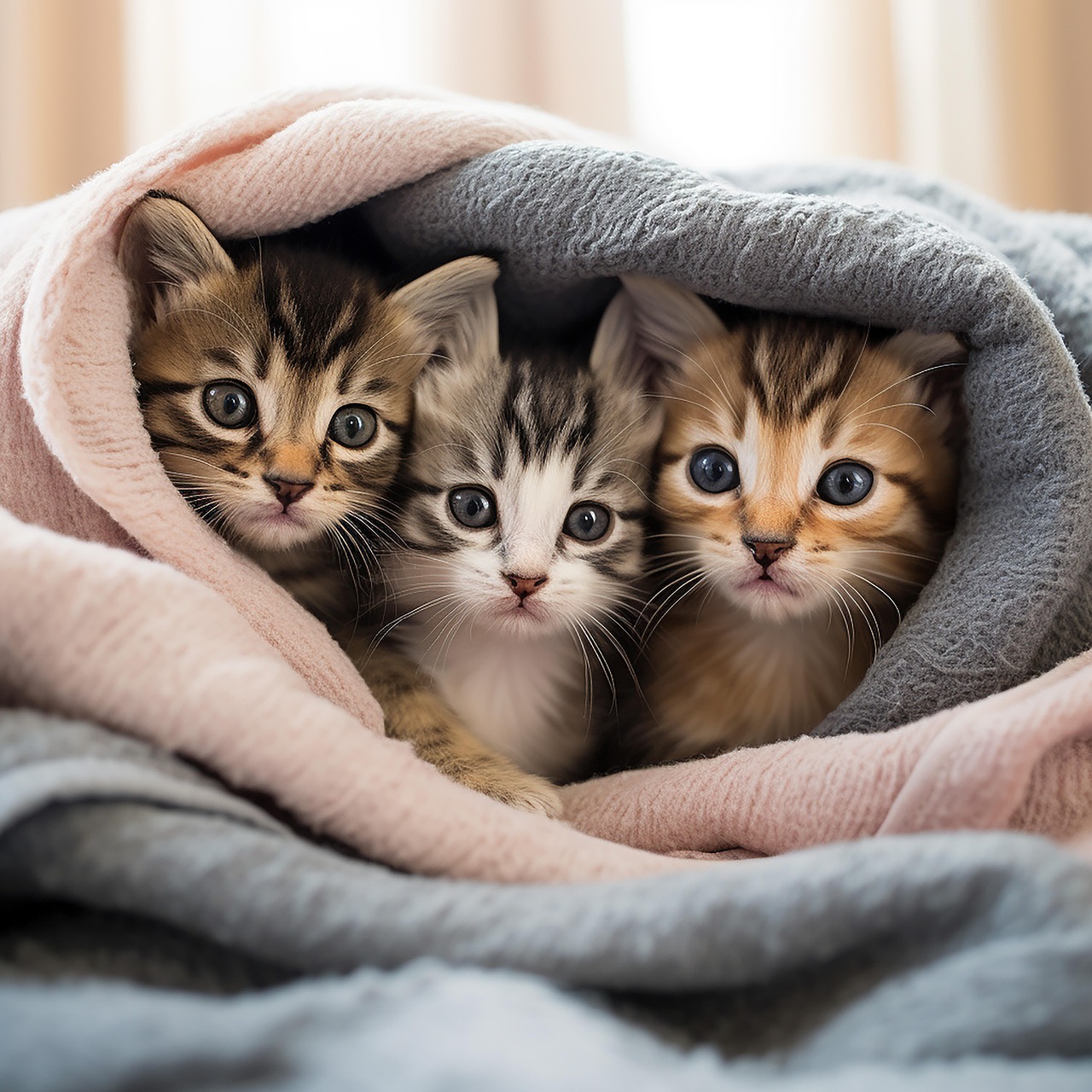

Top Misconceptions About How Cats Socialize
Many believe that cats are inherently solitary creatures and lack the desire for social interaction. Contrary to this widely held view, cats are capable of forming strong bonds with others. Their social nature can be seen when they form groups, especially in multi-cat households or colonies. These social structures allow cats to work cooperatively and even exhibit playful behaviors with their companions. Observations have shown that they communicate effectively using body language, vocalizations, and scent marking. Notably, social species among felines, such as lions, demonstrate that socialization is not an alien concept to all cats. Furthermore, cats enjoy human interaction in their unique way. They may not seek out company as a dog would, but they crave affection and attention on their terms. Recognizing the various ways cats socialize is essential for proper socialization practices. Simplifying their social needs can lead to misunderstandings about their behavior. Offering them plenty of opportunities to engage socially can enhance their overall well-being. Through proper understanding, we can help cats thrive in social situations. Thus, it’s vital to debunk myths surrounding their socialization to ensure a harmonious relationship.
Another misconception is that cats cannot be trained for social interaction. In reality, with patience and the right approach, cats can learn a variety of social behaviors and commands. Training a cat often involves using positive reinforcement techniques, such as treats and praise, to encourage desired actions. This method creates positive associations with social activities and interactions. Building trust takes time, especially since every cat has a unique personality. Regular socialization exercises, exposure to new environments, and interaction with various people can enhance their social skills. Moreover, early socialization plays a crucial role in shaping a cat’s behavior towards new experiences and companions. Cats that have experienced diverse social situations during their kitten phase are often more adaptable and less fearful as adults. Additionally, interactive toys or playtime with their owners can further strengthen social bonds. Encouraging engagement not only enriches the cat’s life but also fosters a deeper connection with their humans. Thus, training cats for social interaction should be viewed as an attainable goal. Debunking the myth surrounding their training potential opens up more enriching experiences for both cats and their owners.
The Role of Environment in Cat Socialization
The environment in which a cat lives significantly influences its social behavior. A stimulating environment can encourage playful interactions, exploration, and even bonding with other pets or humans. Conversely, an impoverished environment may lead to fearfulness or an avoidance of social contacts. Understanding how environmental factors affect a cat’s social development is essential. For instance, using climbing structures, scratching posts, and toys can create a space where a cat feels secure and encouraged to interact freely. Additionally, creating quiet spaces that allow your cat to retreat when feeling overwhelmed can also be beneficial. Cats benefit from zones where they can regulate their interactions. Introducing new pets or humans should be done gradually and thoughtfully. Ensuring that socialization occurs on the cat’s terms helps alleviate stress. Careful introductions, using scent swapping techniques and supervised meetings, can pave the way for harmonious relationships. This is crucial for multi-pet households where competition for resources can lead to aggression. Promoting healthy social skills among cats creates a dynamic and supportive environment, fostering happier and healthier social interactions in the long run.
The belief that cats prefer isolation is another myth that deserves scrutiny. In reality, cats often seek companionship when they feel safe and secure. While they may enjoy time alone, they also thrive on interactions with their humans and other animals. When correctly socialized from a young age, many cats exhibit friendly behavior towards visitors and other pets. The need for socialization varies among individual cats and can emerge at different stages of life. Socialization alters over time, influenced by experiences and interactions. Some cats may enjoy being the center of attention, while others may prefer quieter companionship. Understanding the nuances of each cat’s personality is key to fostering a positive sociability. For instance, playful cats may engage readily, while more reserved cats might require encouragement. The notion that cats lack emotional depth is unfounded; they are capable of forming attachments and experiencing emotions similar to dogs. Recognizing this emotional complexity allows us to cater to each cat’s unique social needs, thereby enhancing their quality of life. Misconceptions about cat behavior can hinder successful socialization; thus, a closer examination of preferences and interactions can provide clarity.
Social Cues in Cat Communication
Much of what cats communicate relies on their body language and vocalizations. Understanding these social cues is essential for interpreting a cat’s feelings and intentions. Many owners underestimate the significance of tail position, ear orientation, and vocal sounds. For example, a raised tail typically indicates a happy and confident cat, while a lowered tail can signify fear or submission. Similarly, a cat’s purring or chirping often reflects contentment, but sudden changes in behavior can indicate distress. Ignoring these cues can lead to misunderstandings during social interactions. Engaging with a cat means paying attention to these subtle signals. Knowing when a cat desires affection or wants to play can enhance the owner-pet relationship significantly. Additionally, recognizing signs of aggression or discomfort can prevent unfortunate incidents. A cat might display certain postures or sounds to indicate it isn’t interested in interaction at a particular moment. Understanding these signals ensures a more peaceful coexistence. By fostering an environment where social cues are respected, we can help cats develop healthier social behaviors and interactions. The more informed we become about these cues, the better we can respond to our cats’ needs.
Another prevalent myth is that cats do not care about their owners’ feelings or emotions. However, studies have shown that cats are indeed responsive to human expressions and behavior. They can differentiate between happy and angry tones, adjusting their actions accordingly. This responsiveness signals their ability to understand emotional states and react appropriately. Cats are known to seek comfort from their owners during stressful situations or when they are feeling unwell. Many cats will cuddle or follow their owners as a way of providing comfort and forging a stronger bond. This dynamic is often underappreciated. Recognizing that cats are attuned to human emotions can enhance the bond between pet and owner. When owners display affection or rewards, it nurtures a cat’s need for social interaction. Building strong connections with our feline friends can result in a deeper understanding of their habits and needs. The emotional relationship between a cat and its owner emphasizes the importance of quality interaction. By acknowledging how cats perceive us, we can enrich their lives while enjoying fulfillment from these unique relationships. Unraveling this myth opens avenues to deeper bonds and social enrichment.
Conclusion: The Importance of Understanding Feline Socialization
A comprehensive understanding of cat socialization allows us to debunk prevalent myths and misconceptions around their social behavior. By fostering an appreciation for their unique social structures, we can enhance their quality of life. It’s essential to recognize that socialization is not a one-size-fits-all approach; every cat has individual needs and preferences. Encouraging a comfortable environment and acknowledging their social cues can pave the way for lasting relationships. As pet owners, adapting our expectations and strategies enables us to nurture a fulfilling bond with our feline companions. This not only benefits their emotional health but also supports a harmonious home dynamic, especially in households with multiple pets. Comprehending feline socialization helps dispel myths and fosters an understanding of their world. Our cats are more than just solitary creatures; they thrive on social connections. With patience, insights into their behaviors, and engagement on their terms, we can cultivate positive interactions. Misconceptions about cats hinder deeper relationships. Acknowledging their emotional capabilities and social needs leads to enriched, joyful lives for both cats and their owners. In conclusion, embracing a nuanced view on cat socialization unlocks a range of fulfilling experiences.