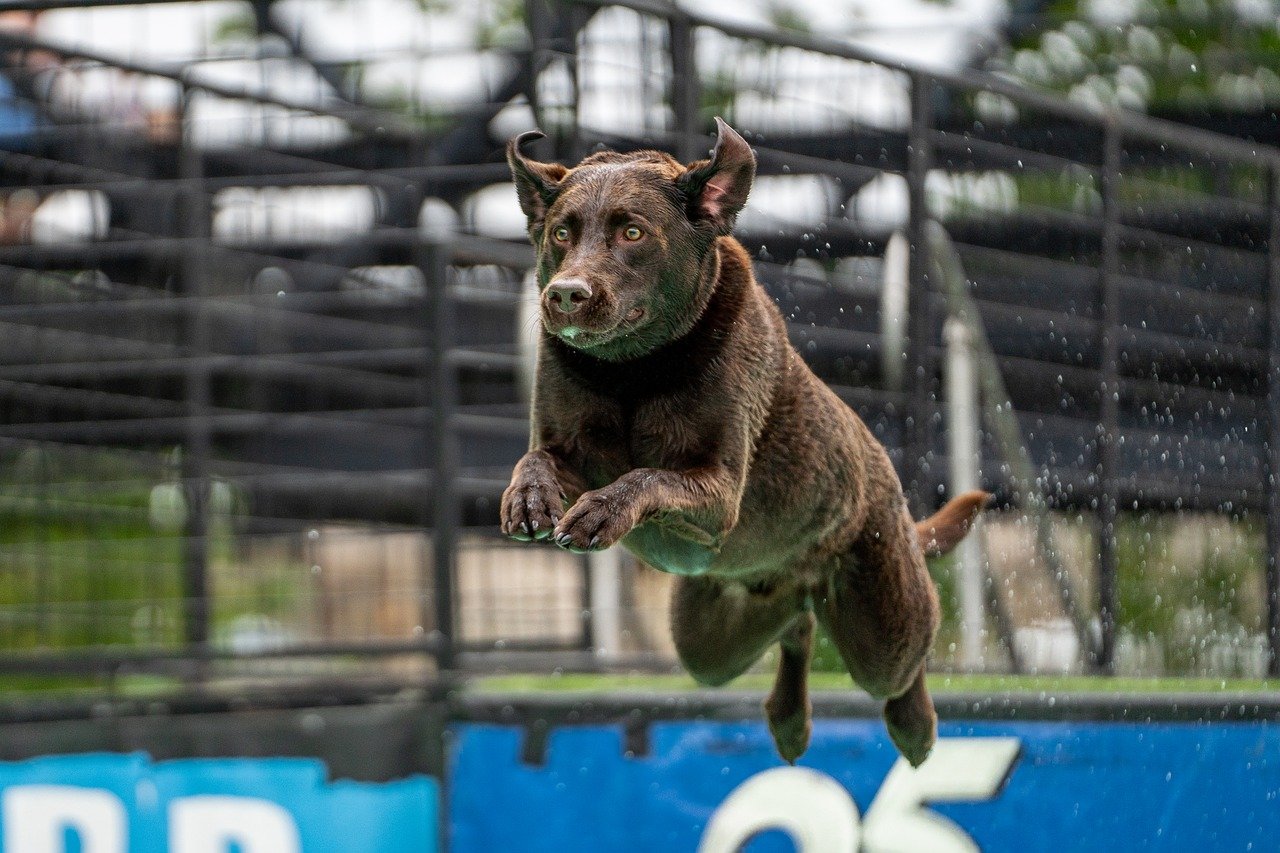

Training Sessions: How Long Should Jump Command Practice Be?
Training a dog to master the jump command involves multiple components. First, consistency is essential. A well-structured practice session typically lasts around 10 to 15 minutes. This duration is crucial, as it prevents canine fatigue and maintains focus. Too long can lead to frustration for both the trainer and the dog. Make sure to choose a distraction-free environment during practice. This allows dogs to concentrate solely on the command. Short, regular sessions are more effective than prolonged ones, as they cater to a dog’s attention span. It’s essential to assess the dog’s progress and willingness. Look for signs of fatigue or boredom during the session. These signals indicate it may be time to wrap up or modify your approach. Respecting a dog’s limits helps foster a positive training experience. The goal is to create joyful learning moments that strengthen the bond between dog and owner. Always end training on a positive note, rewarding with praise or treats. This enhances motivation for future sessions. Incorporating play between practice can also keep training engaging and fun, making them look forward to the next session.
Consistency in timing helps establish a training routine for your dog. For jump command practice, consider realistic intervals. With consistent sessions spread throughout the week, aim for four to five training days. This practice structure leads to better retention of commands. Be mindful of your dog’s energy levels and adjust as needed. Frequent breaks in between sessions can also enhance focus. The same applies to using diverse environments. Gradually introduce your dog to different settings to prepare them for various situations. You can practice jumping over objects at home, the park, or even during an outing. Remember that persistence is critical. If a dog isn’t mastering the command quickly, don’t become disheartened. Training is often a gradual process. At times, re-visiting previous exercises may help reinforce learned behaviors. For best results, keep sessions lively with variations in rewards. This can maintain your dog’s excitement and willingness to participate. Verbal praise, toys, or treats can provide powerful reinforcement. Additionally, consider incorporating a few minutes of free play after sessions. This not only rewards a dog for their hard work but also integrates fun into the learning process.
Monitoring Progress During Training
As you embark on this training journey, tracking your dog’s progress is crucial. Utilizing a training journal can help record milestones and setbacks. Note down the duration of each session and the level of engagement displayed. This documentation allows evaluation to better tailor future sessions. Consider taking short videos to visually document progress, reviewing them as needed. Look for improvements in their consistency and command responsiveness. If a dog tends to struggle with the jump command, re-calibration is vital. This might involve slowing down the process or refining how the command is communicated. Short exercises focusing on jump practice every few days instead of daily, may also help. Remember to celebrate small achievements; this can significantly boost morale for both the dog and the trainer. Utilizing positive reinforcement techniques is paramount during this stage. Dogs thrive on praise and rewards, which solidifies their learning. Be sure to remain patient and compassionate. If your dog appears overwhelmed, it’s beneficial to scale back the frequency or intensity of the practice. This allows for a gradual build-up that respects the dog’s unique learning pace.
Understanding your dog’s unique personality will help guide the training timeline. Each dog has potential variations in their learning speed and commitment. They may possess distinct energy levels, and response times towards commands are necessary considerations. Keep an open line of communication with your dog through body language. Watch for tail wagging, playful actions, or eager approaches, indicating motivation. Conversely, disinterest may manifest in ways such as yawning or refusal to engage. Being observant can efficiently aid you in adjusting practice times. Daily life circumstances also contribute. If your dog is facing stressors such as a new environment or distractions, you might scale down the frequency or duration of practice. Consider alternate days or interactive sessions that blend exercise with command training. Engaging in collaborative activities alongside the jump command could foster a more satisfying routine. Rotate different training exercises, allowing engagement between commands to be established naturally. Each dog is unique, and recognizing their emotional and moral cues can remarkably impact the training’s overall effectiveness. Making it fun can lead to lasting behavioral shifts.
Creating an Engaging Training Environment
To ensure that training sessions are effective and enjoyable, creating an engaging environment is vital. Not only does a stimulating surroundings work wonders, but it also facilitates concentration. Choose locations that provide minimal distractions. Ensure that the training area includes various objects that the dog can jump over. Use items such as agility cones, benches, or hurdles, and place them where they’re easily visible. Frequently changing the layout can also capture the dog’s interest. Incorporate visual cues or sounds, like clapping hands or musical tones, associated with good behavior and commands. Consider timing various commands, measuring the dog’s response along with setups. Making the jump command part of a game can help stimulate competitiveness and engagement. Always remember to incorporate enthusiasm and energy into sessions. Dogs respond well to positive emotions. Using upbeat tones when issuing commands can make a huge difference. Use fun visuals, colorful toys, and even your energy as a motivational tool. Ultimately, mixing diverse techniques keeps the dog anticipating the next session. Interaction becomes enjoyable when the dog associates commands with challenges and rewards, creating a consistent learning atmosphere.
The use of technology in dog training can also enhance the development process. There are fantastic mobile applications available to streamline training efforts. Many of these apps are designed to set goals and track progress. They can help organize training schedules and set reminders for sessions. Utilizing video recordings can be beneficial, enabling you to assess your dog’s behavior. This will highlight what might need improvement. In addition, remote-controlled toys can add a new layer to play during and after training sessions. Evaluate how technology can aid in planning engaging practices. Incorporating a variety of exercise forms into training can increase the dog’s physical health and psychological well-being. Examples include leash training and obstacle courses. Once dogs gain comfort with the jump command, consider joining local agility classes. This provides socialization opportunities with other dogs, which can enhance the joy factor while learning. Be sure that, irrespective of tech involvement, the core remains positive interactions. Ideally, every training moment should reinforce the bond between trainers and their beloved dogs.
Incorporating Feedback and Adaptation
Feedback plays a crucial role in dog training sessions. Observing your dog’s reactions allows for adaptations in practice. If you notice your dog becomes resistant, this may indicate a need for adjustment. Be mindful of adapting the command tone, hand signals, or physical cues. Changing pace also encourages better engagement. When a session feels stagnant, it often reflects the need to modify activities. Integrating different commands can help maintain enthusiasm. For example, inserting a “stay” command can create breaks between jumps. In this manner, the dog doesn’t feel overwhelmed. After all, mental stimulation is just as vital as physical exercise. Adjusting the session’s timing based on the engagement can improve the overall experience. It’s recommended to mirror the dog’s adaptability by adjusting yourself accordingly. Moreover, be willing to evolve your training structure along with the dog’s progress. Iteration may lead to better outcomes with slight modifications. This adaptability fosters a more effective learning experience. Above all, maintaining a flexible approach encourages positive results as well as a joyful atmosphere during training.
Reflecting on your training methodologies can yield significant insights. After sessions, it’s highly beneficial to assess what went well and what might need improvement. Taking notes post-session can considerably enhance future engagements. Assessing these reflections allows trainers to redefine focus points or acknowledge successful strategies. Identifying session trends can help inform what tends to work best. Excellent training practices can reinforce desired behaviors in an enjoyable manner. Pairing reflection with a willingness to implement change significantly boosts progress rates. Keep in mind that every dog’s evolving nature offers continual learning opportunities. Regularly revisiting training methods keeps sessions fresh and dynamic. It is entirely normal for dogs to hit learning plateaus, and this is where reflection becomes invaluable. This adaptability permits trainers to implement varied training methods and channel creativity into future practices. Remember, every positive change in behavior counts, no matter how small. Creations of these changes lead to substantial increments in learning loops, keeping your dog excited. Ultimately, confidence shines through in your dog, increasing their desire to please and collaborate effectively. So, embrace feedback, adjust practices, and maintain an open mindset throughout your training journey!