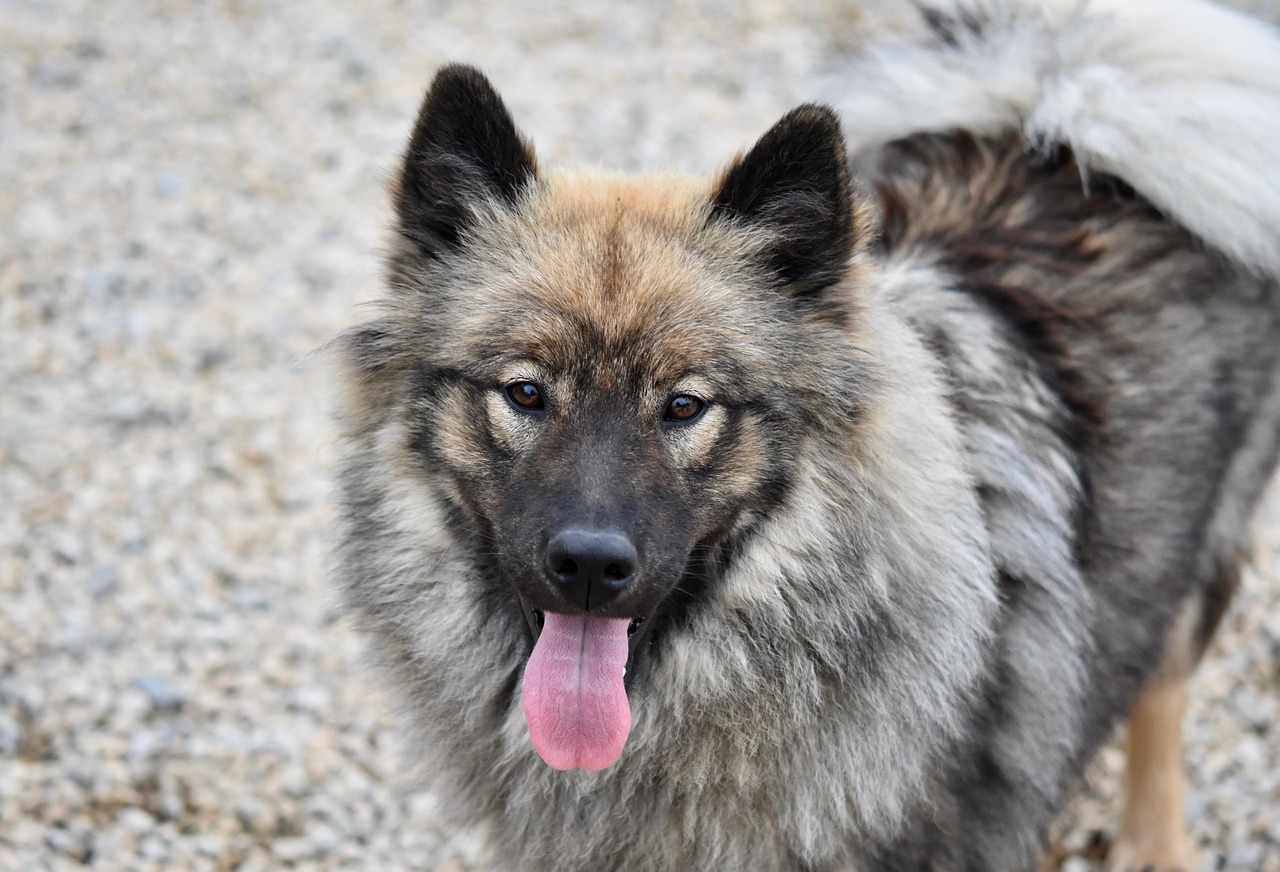

The Impact of Environment on Canine Body Language
Understanding canine body language is fundamental for effective dog training. Dogs communicate through body language, including postures, facial expressions, and gestures. Recognizing these signs helps trainers and owners comprehend their dog’s emotional state, intentions, and needs. Different environments can significantly influence how dogs express these signals. For instance, a dog in a park may exhibit relaxed behavior, whereas in a crowded urban area, it might appear anxious. Observing a dog when it is in a familiar territory can reveal much about its comfort zones. Some dogs become more vocal when they are in stimulating environments, while others may retreat or shy away. The ability to interpret a dog’s body language is closely linked to the contexts they are in. Owners should remain mindful of their dog’s reactions and adjust training techniques accordingly. Socialization also plays a vital role; dogs accustomed to diverse settings tend to be more adaptable and expressive. By fostering positive associations with various environments, trainers can enhance the communication between dogs and humans, ultimately improving the training experience and outcome.
The impact of environment on canine behavior extends to how dogs learn and respond to commands. In quieter or controlled settings, dogs may show fewer distractions, making it easier for them to focus on training. Conversely, in chaotic environments, distractions can lead to heightened anxiety or playful behaviors that may confuse the dog. Trainers must take these factors into account when developing lesson plans. For example, practicing commands in various environments can improve a dog’s ability to generalize learned behaviors. This exposure helps dogs remain adaptable, regardless of where they might find themselves. In addition, the size of the surrounding environment significantly affects a dog’s body language. A compact space might make a dog feel confined, resulting in signs like tucked tails or flattened ears. Conversely, open spaces allow dogs to express joy and curiosity freely. Owners should leverage their dog’s natural tendencies alongside environmental conditions to create a relaxed training atmosphere. Understanding how to read a dog’s reactions to various stimuli can enrich the bond between a dog and its handler, fostering a rich communication framework essential for successful training.
Environmental Factors Influencing Body Language
Several specific environmental factors can influence a dog’s body language. For example, presence of other pets can evoke different responses. In multi-pet households, dogs may exhibit various body postures based on their relationship with the other animals present. Knowing how to interpret these signals is crucial in addressing potential conflicts or enhancing cooperation. Similarly, the presence of unfamiliar dogs can alter a dog’s behavior; some dogs become defensive, while others may show excitement. Environmental conditions like weather can also play a role; high winds or rain may lead to anxious behavior, while sunny days often inspire playful interactions. Lighting conditions can further impact perception; under bright lights, a dog might become alert, while dim settings can enable more relaxed behaviors. Key to this understanding is observation; trainers should take note of not just the dog’s actions, but also the context. This enables a more nuanced understanding of behavior during training sessions. Creating a harmonious environment for training can yield significant positive results, impacting both learning and emotional well-being.
Environmental enrichment plays a pivotal role in shaping canine body language. Providing stimulating surroundings can alleviate stress and promote positive behaviors. For instance, toys, agility equipment, or even natural obstacles like trees can engage a dog mentally and physically. Enrichment encourages explorative behaviors, showcasing a dog’s state of comfort or excitement. When dogs feel secure and entertained, they are likelier to communicate openly, displaying inviting body language such as wagging tails or relaxed ears. Conversely, a barren or excessively predictable environment can lead to signs of anxiety or boredom, such as excessive barking or destructive behaviors. Solving these issues often involves a mix of training exercises and environmental adjustments. Using a variety of toys or introducing novel scents can quicken the learning curve and improve communication. Moreover, recognizing the need for mental stimulation is essential for trainers. Dogs trained in stimulating environments with opportunities for exploration often demonstrate improved confidence and linguistic expressions. Enhancing these aspects can lead to a well-adjusted pet capable of responding positively to environmental changes during training.
Socialization’s Role in Body Language
Socialization significantly impacts a dog’s body language in diverse environments. Introducing dogs to different settings and people can help them learn proper communication cues. Early social experiences limit fearful or aggressive behaviors, aiding them in adjusting better to new situations. Positive socialization teaches dogs signals that indicate comfort or discomfort, which improves obedience during training. Dogs that have been exposed to multiple environments often display confident body language, making it easier for trainers to understand their needs. Interaction with various breeds also fine-tunes a dog’s ability to navigate social cues effectively. They learn which body language is appealing or threatening, enhancing emotional intelligence. On the flip side, negative social experiences can lead to fearful or anxious behaviors, complicating training. Understanding these nuances is key; if a dog feels threatened, its body language may signal distress, making it challenging to focus. Adequate socialization outweighs these risks, creating more adaptable and responsive dogs. Trainers should actively seek opportunities for their pets to interact positively, contributing to improved body language over time in various environments.
The role of the trainer or dog owner is vital in creating a conducive environment for effective communication. An owner’s emotional state can influence a dog’s behavior significantly. A relaxed owner often encourages their dog to be calm and open, whereas an anxious handler may unintentionally transmit stress. Dogs are highly sensitive to human emotions, utilizing body language to gauge their handler’s mood. This makes the human-dog connection pivotal during training. Incorporating positive reinforcement strategies in familiar and diversified environments can help strengthen this bond. Activities designed to foster trust can empower dogs, leading them to display confident body language. Consistency is essential; training a dog in varying locations reinforces the importance of the cues being learned. Furthermore, the quality of interaction plays an important part; engaging in two-way communication that rewards desired behaviors leads to a more positive response from the dog. By cultivating a supportive environment and remaining attuned to a dog’s body language, trainers can foster a thriving learning atmosphere that nurtures growth for both dog and handler.
Conclusion: The Interplay of Environment and Training
In conclusion, understanding the impact of the environment on canine body language is critical for effective dog training. Various factors can influence a dog’s behavior and expressions, from noise levels to the presence of unfamiliar animals. A well-rounded dog trainer should focus on creating diverse yet comfortable environments for maximized learning. This approach not only enhances communication between dogs and their handlers but also encourages emotional well-being. Observing how a dog reacts to different environmental cues can reveal much about their comfort and disposition. Moreover, actively working on socialization with exposure to various settings positively affects how dogs manage discomfort or stress. In this context, body language becomes a two-way street; trainers must learn just as much from their dogs as they teach. With patience and a keen eye for these cues, owners can develop effective training programs tailored to their dog’s needs. Ultimately, fostering a relationship grounded in trust and understanding creates an enriching environment that shapes both behavior and learning, leading to a harmonious bond between dog and human.
As the human-dog relationship evolves, recognizing the significance of body language influenced by different environments can enhance training results. Therefore, trainers and owners should prioritize learning about these dynamics. By doing so, they enable their dogs to fully express emotions, resulting in more efficient communication and mutual understanding. Overall, a successful training experience hinges on the interrelationship between environment and a dog’s innate ability to convey its feelings and desires through body language.