
Preventive Care vs. Optional Coverages: What You Need to Know
When considering cat insurance, it’s essential to distinguish between preventive care and optional coverages. Preventive care typically involves standard wellness services aimed at maintaining your cat’s health throughout its life. This might include routine veterinary check-ups, vaccinations, and flea treatments. These services facilitate early diagnosis and can lead to reduced medical expenses in the long run. Optional coverages, on the other hand, represent areas you can add to enhance your insurance policy. These may cover services not typically included in a standard plan. Understanding these distinctions is vital for cat owners in the marketplace. At times, optional coverages seem relatively appealing, especially for those wanting the best for their furry companions. Nevertheless, the need for these extras varies from one pet owner to another based on their financial situation and their cat’s unique health needs. Talking to your vet can also help clarify what might be essential for your pet’s health journey, thus helping you make informed decisions regarding cat insurance that truly caters to both your and your cat’s specific needs.
For many cat owners, preventive care represents the foundation of their pet’s health insurance. Regular check-ups and vaccinations help to catch potential health issues before they escalate into severe conditions. This proactive approach can save money and emotional distress later. Engaging your feline friend in preventive care means building a solid health portfolio. Insurance often reimburses these routine visits, thus ensuring accessibility to essential healthcare. Owners may also find it necessary yet challenging to keep up with the preventive schedule over time. Understanding the annual cost of these services might motivate you to invest in preventive care options seriously. Additionally, many companies provide discounts when you bundle preventive care with other services. However, be mindful of your cat’s individual health history. Some cats require more frequent veterinary visits due to pre-existing conditions. Consequently, it’s prudent to read policy documents thoroughly and know what preventive measures are covered. Always consider a plan that best suits your financial capabilities and your pet’s medical needs. A well-structured policy can significantly impact your cat’s overall well-being and longevity.
Exploring Optional Coverages for Cat Insurance
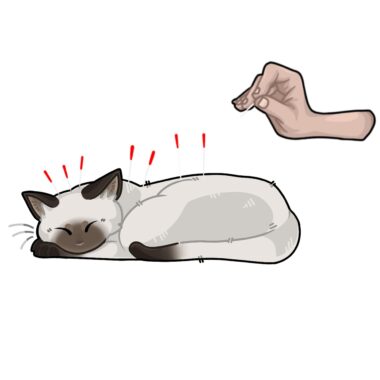
Optional coverages for cat insurance often include benefits like dental care, alternative therapies, and coverage for specific diseases that aren’t covered under standard plans. Cat dental care is becoming increasingly important as cats age; periodontal disease is common and can lead to severe health complications. By selecting optional dental coverage, you ensure comprehensive treatment for your cat’s oral health, which contributes to overall wellness. Additionally, many insurers offer alternative therapies such as acupuncture or hydrotherapy, which appeal to pet owners interested in holistic wellness. Understanding the benefits and costs associated with these coverages can greatly influence your insurance choices. Some policies also cover specific diseases that may not be addressed in a standard policy. For instance, treatment for chronic illnesses like diabetes or hyperthyroidism often falls outside basic plans. Optional coverages can be tailored to meet the unique needs of your cat’s health and lifestyle. Before committing, compare different insurance offers, considering factors like flexibility, premium costs, and the extent of coverage. Making an informed choice allows pet owners to secure a policy that aligns closely with their cat’s particular health requirements.
While preventive care is crucial, optional coverages provide additional peace of mind in unforeseen circumstances. Many pet owners wish to cover emergencies that might arise unexpectedly, such as accidents or sudden illnesses. Optional coverages offer safety nets for life’s uncertainties. Consider the high veterinary expenses associated with emergency services. Choosing optional coverages can significantly reduce out-of-pocket costs during such stressful times. For example, if a cat requires surgery after an accident, having that added coverage can save owners thousands in veterinary bills. Moreover, some insurance policies also cover medication for chronic conditions, providing consistent support for ongoing care. It’s essential to assess what you could afford if faced with such situations. Relying solely on preventive care may not be enough for some cat owners. Evaluate the mental and financial implications of unexpected veterinary visits. Assess each policy’s limits and exclusions regarding optional coverages. Remember that policies differ widely in specifics, so it pays to research thoroughly. In doing so, you can ensure your cat gets the best potential care with the right insurance plan in place.
Understanding Exclusions in Cat Insurance Policies
It’s vital to understand that not all illnesses or treatments can be covered by either preventive care or optional coverages. Each insurance policy comes with specific exclusions that may impact your decisions. Common exclusions in cat insurance often include pre-existing conditions, hereditary issues, and specific behavioral treatments. Pre-existing conditions mean any health issue your pet had before the insurance policy started. Many companies regarding hereditary conditions like hip dysplasia also exclude such issues. Reading the fine print can clarify many questions, leading to more informed choices. Likewise, behavioral treatments for issues like anxiety can sometimes be excluded from coverage. Knowing these exclusions is important for managing expectations later, especially if your cat requires special treatment down the line. Take time to consult directly with insurance representatives to clarify uncertainty surrounding specific coverage aspects. Ask pointed questions about exclusions and limitations. Understanding what your policy does not cover is equally necessary as knowing what it does cover. This knowledge allows you to plan better for any potential expenses that your cat may incur throughout its lifetime.
The decision to purchase optional coverages or rely entirely on preventive care should hinge on your particular situation as a cat owner. Analyze your financial capabilities alongside your cat’s specific health considerations. Generally, younger and healthier cats require fewer medical interventions, implying that preventive care could be sufficient. However, older cats or those with pre-existing conditions may benefit more from comprehensive coverage options. Assessing your cat’s age, genetic predisposition to conditions, and lifestyle may give insights. Furthermore, you might find that bundling various coverage types can lead to cost savings. Always request quotes from multiple insurers to compare which options provide the best value for your needs. Insurance policies can be complex and vary significantly, so don’t rush the decision-making process. Take your time to review all your options. Knowing what each policy entails helps in making well-rounded choices tailored to suit you and your pet’s futures. Think about your long-term care and how each coverage will fit into the scenario that you’d like to create for your furry friend.
Conclusion: Making Informed Choices
In conclusion, cat insurance involves critical considerations regarding preventative care and optional coverages. Understanding the importance of these factors can help cat owners make informed choices for their beloved pets. Regular veterinary visits are essential for maintaining health, as they can lead to early detection of issues that would be costly to treat later. Meanwhile, optional coverages create financial buffers for unexpected medical expenses. It’s By combining both preventive care with carefully selected optional coverages, pet owners can secure a more complete insurance experience. Each cat owner’s situation demands unique consideration, and consulting with both veterinary professionals and insurance agents can yield tailored advice. Always compare insurance policies, assess potential risks, and evaluate long-term costs associated with your choices. Thoughtful planning leads to better financial security and peace of mind when unexpected events arise. In this way, every cat owner can feel satisfied with their decisions and ready to give their furry family member the best possible care.
Ultimately, it’s important to remember that the unique needs of each cat and owner will dictate the best choices. Investing time into understanding what’s pertinent for preventive treatments and optional coverages can make all the difference for ensuring a cat’s health. Through due diligence in selecting a policy that genuinely meets your specific criteria, you’re not only helping your wallet but also contributing to your pet’s happiness and quality of life. Whether you’re leaning toward standard plans or considering supplemental options, the choices you make reflect your commitment to providing for your pet. Understanding the implications of these decisions aids in maintaining a balance between financial responsibility and attentive pet care. Pet insurance can deter considerable future expenses, provided that owners are familiar with their policy’s offerings. Allowing coverage to evolve with your cat’s needs ensures that you are prepared for whatever might come. By educating yourself about preventive care and optional coverages, you can create a bespoke plan that aligns perfectly with your pet’s needs and your budget.