
The Impact of Excessive Shedding on Matting Problems
Excessive shedding in dogs can create significant grooming challenges for pet owners and professional groomers alike. When a dog sheds too much, the loose hair can become trapped in the undercoat, leading to mats and tangles. These knots can make grooming difficult, irritating both the dog and the owner. Mats can form for various reasons, including not being brushed regularly or due to the dog’s coat type. Some breeds naturally shed more than others due to seasonal changes, and this can exacerbate matting issues. Keeping a consistent grooming schedule can significantly help manage shedding and prevent tangles. The use of appropriate grooming tools, such as slicker brushes or de-shedding tools, can also mitigate these problems. Regularly brushing your dog’s coat can promote a healthy shedding process, reducing the amount of loose fur that leads to matting. Sometimes, shedding may also indicate underlying health issues such as allergies or skin infections. Consulting with a veterinarian can be beneficial when assessing the health of your dog’s coat and skin.
Ignoring excessive shedding can escalate into serious grooming dilemmas, forcing owners to consider more intensive grooming solutions. Regular grooming not only prevents tangles but also promotes the overall health of the dog’s coat and skin. Owners must remain vigilant, recognizing the signs of excessive shedding, such as fur scattered around the house or a visibly thinner coat. Addressing these concerns promptly ensures that shedding remains manageable. Additionally, it’s crucial to understand breed-specific coat care, as some dogs require specialized grooming regimens. For instance, hypoallergenic breeds or those with dense undercoats often need unique care approaches. Providing a proper diet rich in omega fatty acids can also aid in reducing shedding. Moreover, environmental factors, such as temperature or humidity, can influence how much and when dogs shed their coat. In winter, dogs may shed their undercoat to adapt to warmer weather. In contrast, summer coats respond to heat with increased shedding. Testing different grooming products and methods can greatly influence the success of managing a dog’s shedding and matting problems.
Effects of Matting on Dog’s Health
Beyond aesthetics, matting can severely impact a dog’s health and comfort. Mats are not merely a cosmetic issue; they can cause skin irritations by trapping moisture and debris. This creates an ideal environment for bacteria and parasites, leading to infections or skin diseases. In extreme cases, the matted hair can also restrict circulation, resulting in sore or painful areas on the dog’s skin. Grooming mats can cause discomfort if they pull on the skin while brushing. Dogs are much more likely to tolerate grooming sessions if they are not struggling against painful knots. To prevent this issue, simple preventive measures should be taken, like regular brushing tailored to the breed’s specific needs. Furthermore, hiring professional groomers who understand dog coat types ensures that your pet receives optimal care. If infections or irritations develop, immediate veterinary assistance is needed. Regular vet check-ups should accompany grooming schedules to monitor the dog’s dermatological health and overall wellbeing. Proactive grooming habits will undoubtedly lead to healthier, happier dogs who thrive under proper care.
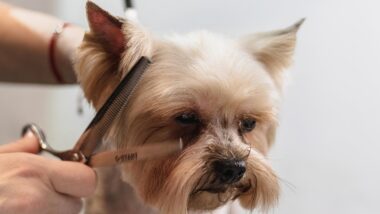
Professional groomers often share best practices to combat excessive shedding and its ensuing matting. They recommend establishing a routine that includes regular bathing to remove excess fur. Bathing should use gentle, hypoallergenic shampoos suited for your dog’s coat type. After bathing, proper drying techniques are crucial; using a blow dryer on low heat can help blow out loose hairs. Additionally, scheduled grooming appointments can be vital during shedding seasons, ensuring that any loose or dead hair is removed regularly. Groomers can spot potential matting problems early and address them before they become unmanageable. Another important tip is to visit a groomer trained to recognize the unique shedding and matting challenges for different breeds. Engaging with a skilled professional ensures meaningful advice tailored to your pet’s needs. They are often informed about new grooming products and techniques to help keep shedding under control. Investing in high-quality grooming tools can also yield positive long-term results for your dog’s coat care. The overall goal is to enhance your dog’s comfort and promote beautiful, healthy fur.
Nutritional Impact on Shedding
The diet of a dog plays a crucial role in the health of its coat. Specific nutrients found in foods impact shedding and fur quality significantly. Foods rich in omega fatty acids, vitamins, and minerals effectively promote healthy skin, which minimizes excessive shedding. Common food sources like salmon and flaxseed are beneficial for enhancing coat health. Ensuring that dogs receive adequate hydration is equally important. Dehydration can lead to dry skin, thus leading to increased shedding. Owners should also be cautious when changing their dog’s diet, as sudden changes might cause digestive disturbances and disrupt healthy shedding patterns. Gradually introducing new foods ensures less stress on the dog’s system. Supplements providing extra skin and coat support can also be beneficial, especially for breeds prone to matting or shedding issues. Regularly consulting with a veterinarian can provide insight into your dog’s dietary needs to maintain optimum health. Ultimately, investing in high-quality dog food can have a lasting impact on your pet’s coat health, reducing the severity of shedding.
Environmental factors greatly influence a dog’s shedding patterns. Seasonal changes can trigger significant shedding, prompting owners to increase their grooming efforts. For instance, during the spring and autumn, many dogs will experience heavier shedding periods. This natural cycle helps dogs adapt their coats to changing temperatures. However, living in a dry or humid environment can also impact shedding. Indoor heating or cooling may contribute to dry skin and lead to increased shedding as well. Incorporating a humidifier in dog living areas can combat issues related to humidity and skin health. Owners must observe their dogs for changes in shedding patterns associated with environmental triggers. When dogs experience stress or anxiety, it may lead to excessive shedding as well. Addressing behavioral issues may help mitigate these effects. By creating a safe and comforting space for dogs, owners can encourage healthy shedding patterns. Consistent interactions, regular exercise, and mental stimulation play crucial roles in a dog’s overall wellbeing. Proper attention to environmental factors can significantly enhance coat health and reduce the challenge of matting and tangles.
Conclusion
In conclusion, managing excessive shedding in dogs is essential to prevent matting and tangling issues. Owners must adopt a proactive approach to grooming that includes regular brushing, understanding breed specifics, and maintaining a balanced diet. By taking measures such as frequent baths and professional grooming, we can alleviate some of the frustrations that come along with excessive shedding. It’s essential to observe and respond to your dog’s individual grooming needs, as each canine is unique. This attention to detail can help mitigate matting problems that could lead to health complications. Monitoring environmental factors and making necessary adjustments can provide further support towards optimal coat management. Furthermore, acknowledging the importance of nutrition adds another layer of preventative care. By enhancing your dog’s overall quality of life through proper grooming techniques, nutritional support, and a healthy living environment, your furry companion can enjoy a thriving, comfortable existence. Ultimately, a dedicated approach fosters a harmonious relationship between pet and owner while ensuring the dog remains healthy, happy, and free from matting issues.