
Using Flea Collars Safely on Cats: What You Need to Know
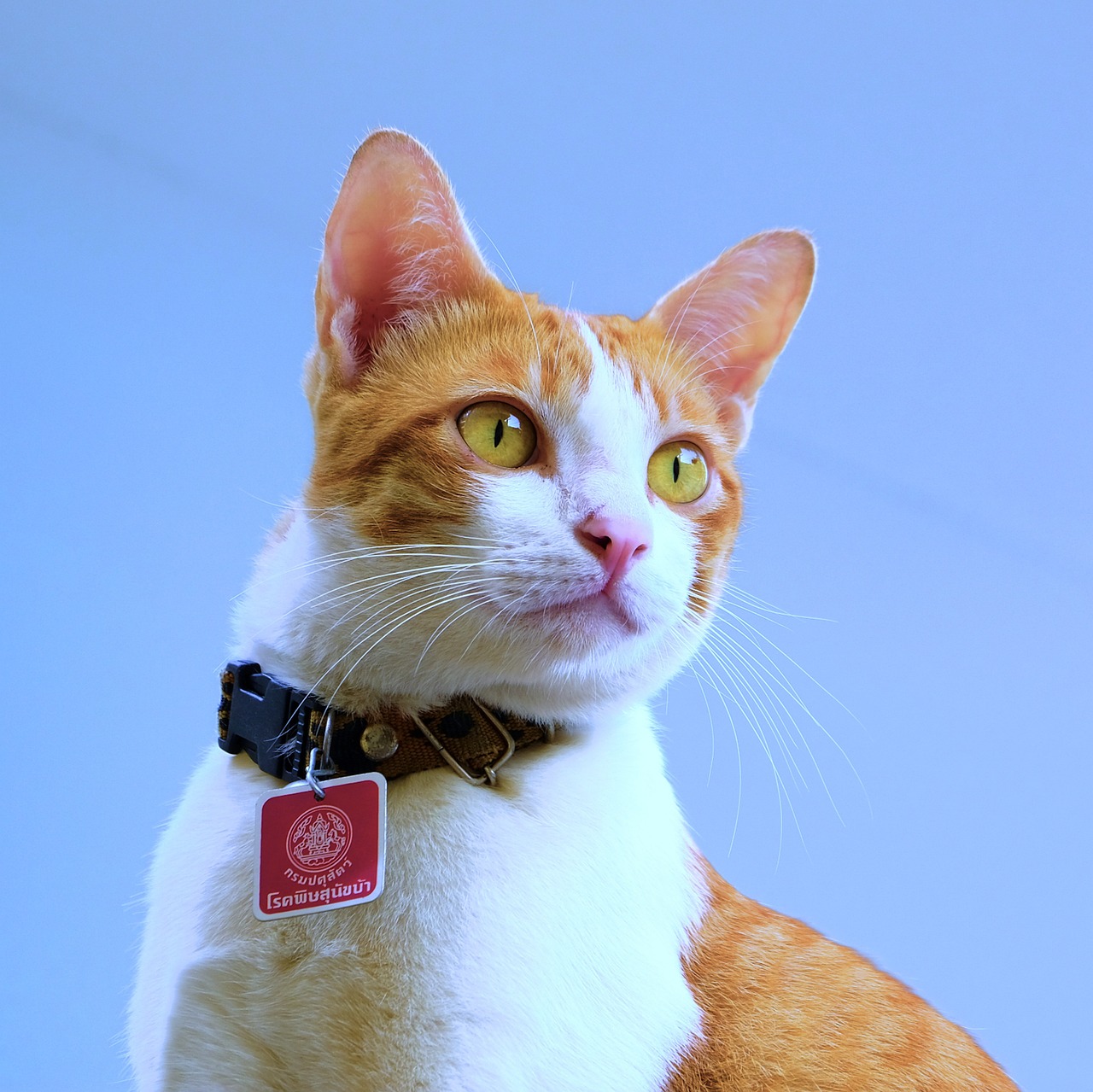
Flea collars are widely used to protect cats from flea infestations, but understanding their proper use is crucial for safety and effectiveness. These specialized collars are designed to release chemicals designed to kill or repel fleas and ticks. However, it is important to choose collars that are appropriate for your cat’s age, weight, and health status. Not all collars are created equal, and some may not be effective for every type of flea or tick. Always read the label carefully and follow instructions regarding the fitting of the collar. Ensure that the collar fits snugly without being too tight; a proper fit is essential to prevent slipping or choking hazards. If you notice any signs of irritation on your cat’s neck where the collar sits, remove it immediately. Consult your veterinarian for recommendations tailored to your cat’s needs, including alternative flea prevention strategies. Additionally, be cautious of using collars in conjunction with other flea treatments, as overlapping effects can lead to toxicity and adverse reactions. Regularly check the collar for wear and tear, replacing it as indicated in the instructions.
When using flea collars, timing is also an important consideration. It’s advisable to put the collar on as early in the flea season as possible to prevent infestations. Flea collars generally take several days to become fully effective, so giving them an adequate amount of time is key. Make sure to monitor your cat’s activity and behavior after applying the collar, as some cats may have allergies or sensitivities to the ingredients. Signs of distress would include excessive scratching, pawing at the collar, or changes in behavior, indicating the collar may not be suitable. If necessary, you can consult your veterinarian for a different product that may be more appropriate. Flea collars are designed to release treatment over time, but if you notice that your home is still plagued by fleas, it might be necessary to adopt complementary flea control methods. Regular grooming and bathing can help, as well as ensuring the home is vacuumed frequently. Along with preventive treatments for your cat, an integrated approach will better control future flea infestations, ensuring your cat remains happy and healthy throughout.
Choosing the Right Collar
Selecting the right flea collar for your cat entails understanding the options available on the market. There are various types of collars, including those designed with natural ingredients and those containing pesticides. Natural collars tend to be milder and may be suitable for more sensitive cats. In comparison, synthetic collars could provide faster results but might come with potential side effects. Generally, collars that target specific types of fleas, such as adult fleas or larvae, should be considered carefully. It’s also essential to be informed about the active ingredients, which can vary significantly between products. Researching reviews and consulting with your veterinarian can guide you towards the most suitable choice for your furry friend. Additionally, some collars come with features like water resistance, making them more durable in wet conditions. Remember that the collar should not be used as the sole method of flea prevention; combining treatments will yield better results. For long-term effectiveness, regular rotation of flea prevention products may also help prevent fleas from developing resistance to the active ingredients.
It’s important to properly introduce a new collar to your cat to avoid stress during the transition. Begin by letting your cat sniff the collar before it is fastened onto them. This familiarization will help ease the process and reduce any anxiety around the collar. After placing the collar, observe your cat’s reaction over the course of a few days to ensure it’s comfortable and no adverse reactions occur. If your cat shows signs of distress, it may be necessary to explore alternative flea prevention methods. Be mindful of any changes in your cat’s skin condition or overall behavior after collar application. If any unusual symptoms occur, consulting with a veterinarian should be a priority in order to prevent complications. Also, keep in mind that some flea collars are designed for ongoing release of medication, meaning they must be worn consistently for maximum efficacy. Always read and adhere to the product’s specific instructions to understand how each fits into a broader flea management plan. Lastly, remember to regularly check and maintain your other flea prevention strategies as well, to ensure comprehensive coverage.
Storage and Disposal of Flea Collars
When you purchase flea collars, proper storage is crucial to maintaining their effectiveness. Store collars in a cool, dry place away from direct sunlight and out of reach of pets and children. Proper storage prevents degradation of the active ingredients. Additionally, always follow the disposal instructions on the packaging after replacing an expired collar. Some collars contain chemicals that can be harmful if not disposed of adequately, and it’s essential to treat these materials responsibly. A simple way to dispose of flea collars is by sealing them in a plastic bag and throwing them away with household waste. If your home has multiple pets, ensuring that each one has their own collar while preventing interference is key. Furthermore, avoid using collars on sick cats without veterinary advice. There are alternative measures out there, including topical treatments or pills, depending on the nature of the infestation you’re addressing. Understanding the full scope of methods to manage fleas ensures that your home remains a safe environment for all. Always keep an eye on local regulations regarding the disposal of pesticide-containing products.
Regularly reassessing your flea control strategy is essential to keeping your cat safe and comfortable. As seasons change, flea populations can vary, making it necessary to adjust the approach you take. In instances of severe infestations, combining multiple methods, such as flea collars, topical solutions, and environmental management, is critical for complete control. Continuous monitoring of your cat’s coat and behavior will provide insights into the effectiveness of your chosen flea prevention strategy. It’s just as important to maintain a clean living environment, with frequent vacuuming and washing of bedding and toys to eliminate any eggs or larvae that may reside in your home. As part of a long-term strategy, consider consulting with veterinarians regularly to keep up with the latest information on flea treatments that may suit your household’s needs. Understanding the life cycle of fleas and their environment will also aid in better prevention and management techniques. This holistic approach to flea control ensures a sustained reduction in flea presence within your living space, leading to greater peace of mind for you and your pet.
Signs of a Flea Problem
Monitoring your cat for signs of a flea problem is essential for timely treatment and prevention. Commonly, you may notice your cat scratching frequently, biting at their skin, or displaying signs of agitation. Fleas are often most active during warmer months, and infestations can quickly escalate if left unchecked. Look for flea droppings or small black specks on your cat’s fur, which are telltale signs of flea presence; these can appear as tiny dirt particles. A close inspection of your cat’s skin, especially around the neck and tail base where collars may be fitted, is also advisable. If you do discover fleas, immediate action is required. Consult your veterinarian to discuss effective treatments suited for your cat’s weight and health status. Additionally, regular grooming can assist in catching early signs of flea presence before they become a larger problem. Maintaining this routine could prevent larger infestations, safeguarding the health and comfort of your cat. Lastly, informing household members about the importance of prevention measures creates a team effort to keep your living environment flea-free.