
The Relationship Between Hunting and Cat Communication
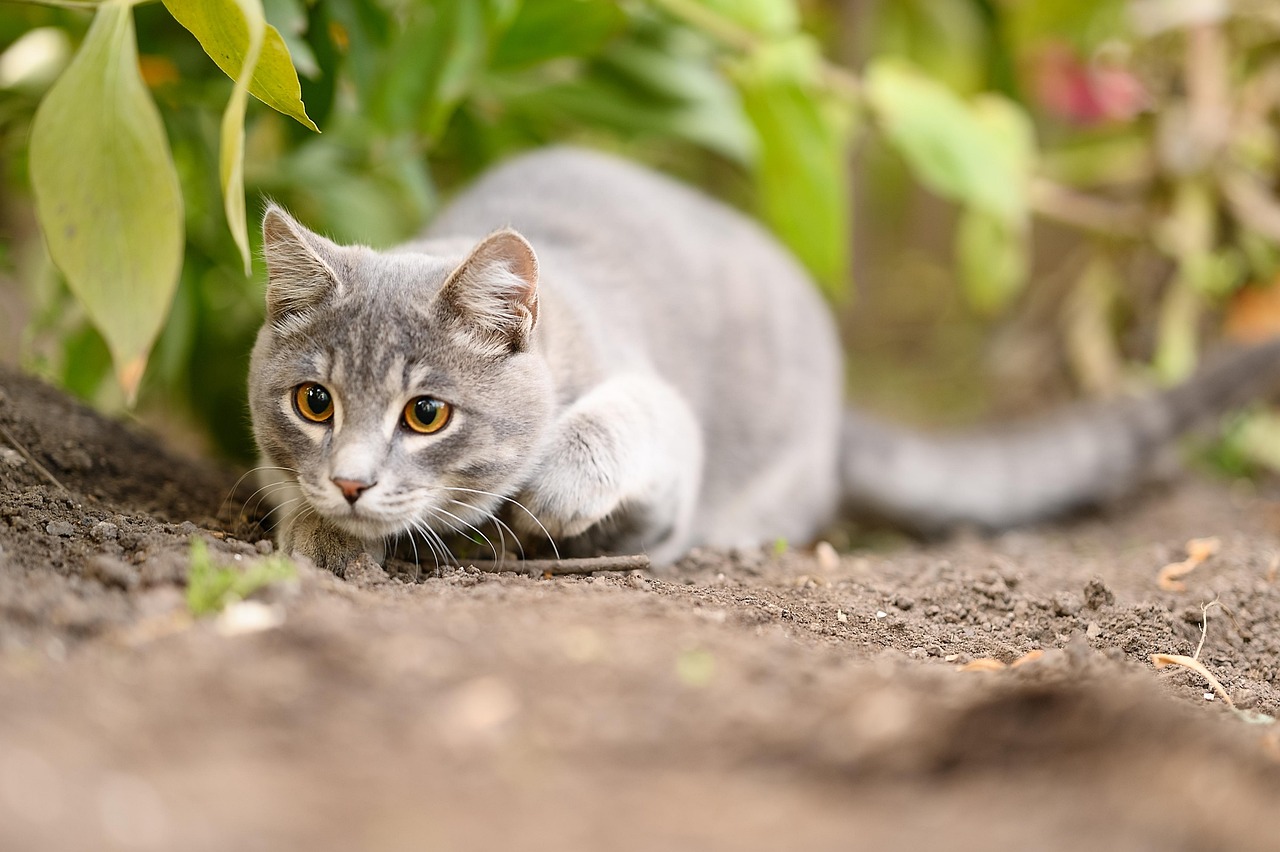
Cats possess innate hunting instincts that are deeply rooted in their genetic makeup. Understanding these behaviors can enhance our relationship with them. When a cat engages in play, it mimics hunting practices, refining skills necessary for survival. As they stalk and pounce on their toys, they channel their natural instincts into this behavior. This not only offers exercise but also serves as a form of communication, signaling their playful nature. Cats will often exhibit specific postures, tail movements, and vocalizations throughout their hunting rituals. Additionally, they may even share their catch of the day with their human companions, reinforcing social bonds. Feline communication is nuanced, with each gesture carrying significance. By observing these interactions closely, we can learn not only about their instincts but how they communicate their needs and emotions. Often, a well-timed play session can satisfy a cat’s hunting instinct while providing much-needed entertainment. It’s beneficial for pet owners to engage in these activities, as they ultimately help improve a cat’s mood and well-being. Moreover, recognizing your cat’s hunting behaviors enables you to cater to their instincts and enrich their environment.
Recognizing the signs of a cat’s hunting behavior can greatly improve the pet-owner bond. A cat’s hunting techniques vary widely, influenced by age, personality, and environment. Younger cats tend to engage in more visible hunting traits, characterized by unbridled energy and enthusiasm. In contrast, older cats may adopt more strategic methods, utilizing their intelligence rather than sheer energy. Additionally, observing how your cat reacts during different situations can reveal a lot about their comfort level with their environment and potential stressors. For instance, a cat may prefer to watch before pouncing if they perceive a certain level of threat. Understanding these behaviors helps pet owners provide a safe space for them to express themselves. In multi-cat households, you may also observe competitiveness in hunting scenarios, leading to unique interactions. Such dynamics require careful monitoring to prevent aggression, allowing for safe and enriching experiences. Implementing structured playtime can assist in managing these behaviors effectively. By tailoring activities that resonate with their instincts, pet owners can enhance their cat’s emotional health.
Communication Through Hunting
Hunting serves as a vital communication tool for cats, establishing a range of signals and emotions. As they engage in this instinctive behavior, they convey messages to both their humans and fellow felines. Each chirp, meow, and body posture during a hunt can indicate a need for attention or a desire to play. When a cat presents its “catch” to its owner, this act is not merely showcasing a successful hunt. It often indicates affection while also seeking validation for their efforts. Understanding these signals requires keen observation. For example, a cat dropping a toy at your feet can be interpreted as an invitation for further interaction. Moreover, certain behaviors may vary, depending on a cat’s familiarity and comfort with their surroundings. Especially in new environments, a cat might exhibit more cautious and calculated hunting behaviors. Recognizing these aspects of cat communication is crucial to fostering a nurturing relationship. Engaging in activities that cater to their hunting instincts allows you to respond to their needs while providing necessary stimulation that enriches their lives.
Felines use their hunting-inspired communication not just to convey emotion, but also to clarify their territory. Through their actions, cats demonstrate ownership over spaces, often vocalizing through unique calls when marking their territory. This vocal behavior is particularly prevalent when hunting or when introducing themselves to new feline companions. Moreover, the sound and tone used can shift based on the environment and circumstances, highlighting the adaptability of feline communication. Cats may also use their keen sense of smell to identify other creatures in their territory, subtly communicating the presence of potential intruders. The combination of vocal signals and body language plays a significant role in establishing this territorial communication. For pet owners, it’s vital to recognize these signs and responses to ensure a harmonious household. Allowing your cat the freedom to express their natural behaviors cultivates a sense of security and belonging. Providing spaces that mimic their natural environment can further encourage this behavior. This includes creating vertical spaces, such as shelves and perches, where cats can observe their surroundings, reinforcing their instinctual desire for a domain.
The Impact of Environment on Hunting Behavior
The environment significantly influences a cat’s hunting behaviors and communication methods. In urban settings, felines adapt their instincts to navigate complex surroundings. They become more strategic in their approach toward hunting, utilizing available resources effectively. Conversely, outdoor cats have a wider range of stimuli to engage with, providing richer hunting experiences. These variations shape the methods cats utilize to communicate and express their instincts. For instance, indoor cats often exhibit creativity in their play, using toys to simulate prey. The act of pouncing and chasing mimics natural hunting, which is vital for energetic expressions. Additionally, environmental enrichment plays a crucial role in channeling their instincts properly. Providing interactive toys, scratching posts, and climbing structures fosters creativity in their play, enhancing their emotional health. Different environments provide varying levels of stimulation, which affects their hunting instincts. Enclosed spaces may limit their behavior, while a spacious room allows them to display confidence. Understanding the nuances of a cat’s environment is essential for tailored interactions that encourage their natural instincts and communication.
Another crucial aspect of feline hunting behaviors involves social structures within groups. In homes with multiple cats, dynamics of play often mirror competitive hunting scenarios. Cats engage in structured interactions to assert dominance or establish friendships, resulting in complex communication styles. Observing these interactions sheds light on their socialization processes. A cat may use social grooming or small vocalizations to signal friendship or to request help during play. Moreover, groups of cats regularly demonstrate teamwork while hunting prey together, showcasing their adaptive skills. Understanding these social behaviors enhances our ability to interpret their communications accurately. Additionally, a cat’s ability to read cues from others within their group further demonstrates their advanced communication. Their hunting behaviors provide insights into social hierarchies, illustrating the multifaceted nature of feline interactions. For pet owners, allowing cats to form these social structures is vital. By promoting positive interactions and offering various opportunities for engagement, owners can help ensure that each cat enjoys healthy communication, fostering a sense of community that benefits everyone involved.
Conclusion on Hunting and Communication
Understanding the intricate relationship between a cat’s hunting instincts and communication styles opens opportunities for engaging companionship. Recognizing how these behaviors affect their daily lives is fundamental to creating a harmonious living environment. Through play, cats express their instincts while flashing signals to their owners. Engaging with cats during play not only satisfies their natural urges but also strengthens the bonds shared between pet and owner. Being attentive to their needs enables better responses to their communication. As you spend time observing your cat’s behavior, you will uncover the nuances of their personality. The hunting instinct incorporates aspects of their social and emotional well-being, often serving as an outlet for energy and exploration. Creating contexts for socialization and play can significantly improve your cat’s quality of life. Each cat is unique, so understanding their preferences is key to fostering healthy communication. Ultimately, when humans embrace and nurture their cats’ instincts, both parties experience enriched relationships filled with joy. Foster an environment where your feline thrives, ensuring their instincts and communication are harmoniously integrated within your daily lives.