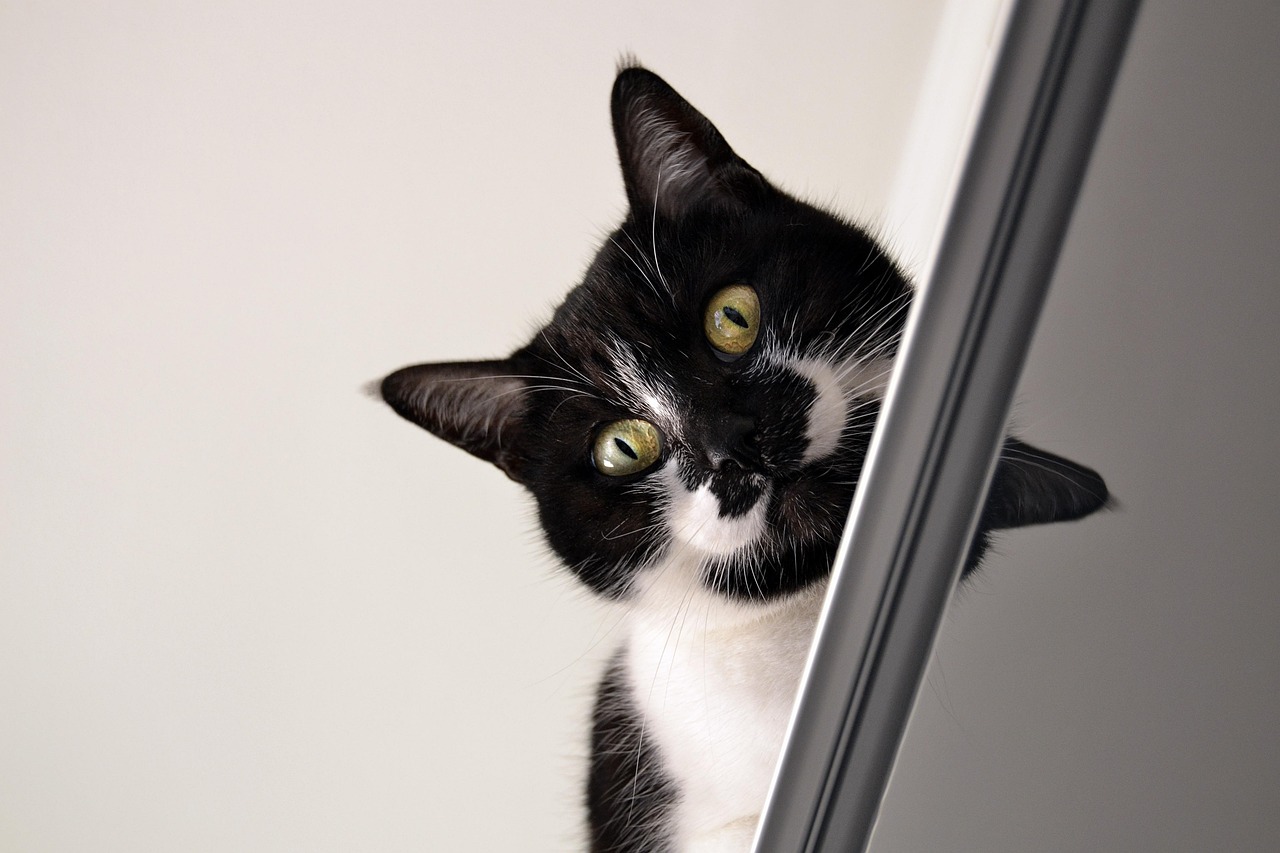

Keeping Cat Furniture Stable: Tips for Preventing Tipping Over
Ensuring your cat furniture remains stable is crucial for both safety and comfort. Cats love to jump, scratch, and climb, which means that loose or top-heavy furniture can pose risks of tipping. One way to enhance stability is by placing heavy items on the bottom of a cat tree or shelf. This lowers the center of gravity, making it less likely to tip when your furry friend jumps on or off. You can also opt for wider bases for larger pieces, helping distribute weight evenly. Additionally, carpet or non-slip pads can be used under items to prevent sliding. Cat trees with a solid and sturdy construction are often more secure than those made with flimsy materials. If possible, choosing solid wood pieces is advised as they generally provide better stability. Check for weight limits that certain pieces can support to ensure safety. Ultimately, understanding your cat’s behavior can help you make informed decisions about the placement and type of furniture to use, creating a safer space for your playful companion.
Investing in high-quality scratching posts is another vital aspect of maintaining stability in feline furniture. A well-made scratching post is essential to encourage appropriate scratching behavior while preventing cat furniture from tipping. Look for posts that are heavy and sturdy, as these can withstand the vigorous scratching and climbing of your cat. The height of the post should also be considered; taller posts allow your cat to stretch fully when scratching. You can securely attach scratching posts to cat trees for added stability. Many products come with a weighted base that minimizes the risk of tipping over. When shopping for scratching posts, consider options with different textures, such as sisal or carpet, which cater to varying feline preferences. A varied selection can help keep your cat engaged and satisfied, as boredom may lead them to use furniture more aggressively. Regularly inspecting and maintaining these posts is essential to ensure they remain stable and effective. Replacing worn-out posts before they break can drastically reduce safety risks associated with tipping cat furniture.
Choosing the Right Location
The location of cat furniture also influences its stability. Placing items in high-traffic areas can make them prone to being bumped or swayed. Instead, consider quieter corners or walls where the furniture can be more securely positioned. Anchoring items to the wall using brackets can help prevent tipping. This is particularly necessary for tall bookshelves used as cat trees; an inexpensive wall anchor can provide additional safety. Consider the environment around the furniture; removing nearby obstacles can eliminate the risk of your cat accidentally knocking over the items during play. If your home has hard flooring, adding pads under furniture legs can provide greater grip. For example, rubber pads can help to avoid slips. Also, keeping an eye on your cat’s playful habits can give clues about the safest spots for placement. The ideal location should offer both a sense of security and freedom for your feline friend. Observing your cat’s behavior helps identify prime locations that balance thrill with safety.
Another method to maintain stability is to periodically reorganize your cat furniture layout. Cats can be curious creatures that enjoy exploring new areas. Changing the configuration of your furniture can enhance your cat’s environment without needing new items. Ensure the new layout prevents furniture from crowding together, helping maintain balance. This encourages better play patterns and prevents tipping incidents. It’s advisable to monitor your cat as they adapt to the changes, ensuring the new arrangement doesn’t inadvertently increase the risk of accidents. Observing your cat closely provides invaluable insights into their preferences. Every cat has their own set of behaviors that can inform adjustments for safety and enjoyment. Engaging in interactive play in the vicinity of the furniture can remind your cat to be cautious and deliberate. Understanding how your cat navigates through their environment strengthens your ability to create a secure and inviting space that fosters exploration while minimizing potential hazards. Be proactive about furniture placement and reorganization to keep your feline friends safe and entertained.
Regular Maintenance is Key
Regular maintenance plays a critical role in ensuring the stability of cat furniture. Cats are known to scratch vigorously, wear down materials, and shift items around. Routine inspections for any wear and tear in furniture are essential. Loose screws or wobbly legs can easily lead to tipping incidents. Tightening screws and replacing any damaged parts promptly minimizes risks. If carpets on scratching posts are frayed, they should be replaced immediately to prevent accidental injuries. You should also look out for signs of wear and tear in heavier pieces like cat trees or towers. Reinforcing weak areas or replacing furniture that is too worn can drastically improve safety. It’s also a good idea to periodically clean the furniture. Regular cleaning helps maintain structural integrity and aesthetic appeal. Aside from cleaning, the presence of odors can lead to your cat avoiding the furniture altogether. Regular maintenance ensures your cat is excited about using their furniture and it remains stable and safe for all activities.
Additionally, engaging your cat in interactive playtime and encouraging calm activities can also help reduce tipping risks. High-energy play sessions are excellent for exercise but can also lead to reckless movements. Try to incorporate structured playtime using toys that keep your cat focused. For example, using wand toys encourages controlled movements compared to free play with easily tossed items. Encourage brain stimulation activities, such as puzzle feeders, which can reduce the likelihood of aggressive behaviors. This promotes overall contentment and peace, creating a safer environment around the furniture. If your cat enjoys climbing, consider rotating or offering stable climbing options that can satisfy their need for elevation. This belief can help them trust their furniture and stave off accidental toppling. Establish playtime routines can contribute to their well-being and reduce spontaneous, chaotic behaviors. This break in high-energy activity may lessen the risk of accidents while providing an outlet for their instincts. Understanding how your actions can influence your cat’s behavior is crucial to fostering a secure and engaging environment for both you and your pet.
In Conclusion
By incorporating these practical tips into your pet care routine, the stability of cat furniture can be greatly improved. Rethinking furniture design, architecture, and material can safeguard your cat from tipping incidents that could otherwise prove hazardous. Aim for a thoughtful arrangement of the pieces, places, and types of furniture that best suit your cat’s personality and habits. During seasonal changes or loftier designs, remember to adapt and modify furniture positioning. The key elements lie in education and observation; being aware of how your cat interacts with their space is essential. Understanding peak activity times can help determine safe furniture arrangements. Provide solid anchor points and keep an eye on the weight distribution to maintain stability effectively. Overall, the benefits of a well-organized cat furniture setup extend far beyond mere aesthetics. They include providing a safe, enriching environment that allows your cat to thrive. Emphasizing quality and safety in different structures enhances your cat’s confidence in their environment, ultimately keeping them safe from potential falls or accidents while ensuring years of enjoyment.
In short, proactively managing the stability of your cat furniture creates a safer setting. Integrating these strategies can drastically minimize the risks associated with tipping and create a well-balanced space for your furry friends. Prioritizing safety fosters trust, adventure, and exploration, allowing your pets to enjoy their surroundings freely. Taking time to evaluate and adjust how your cat interacts with their furniture leads to a peaceful home for both you and your beloved feline companions. As you implement these practical and straightforward tips, you will notice an improvement in their confidence and comfort within your space. Maintaining a constant awareness of their playful mannerisms enhances not only safety but also overall satisfaction for both cats and their owners. Creating an inviting atmosphere where your cat feels secure will lead to a happier, healthier life. With the right approach to safety considerations, you can ensure that your home remains a safe haven for all of your playful rocking and jumping cats to thrive in their little kingdom.