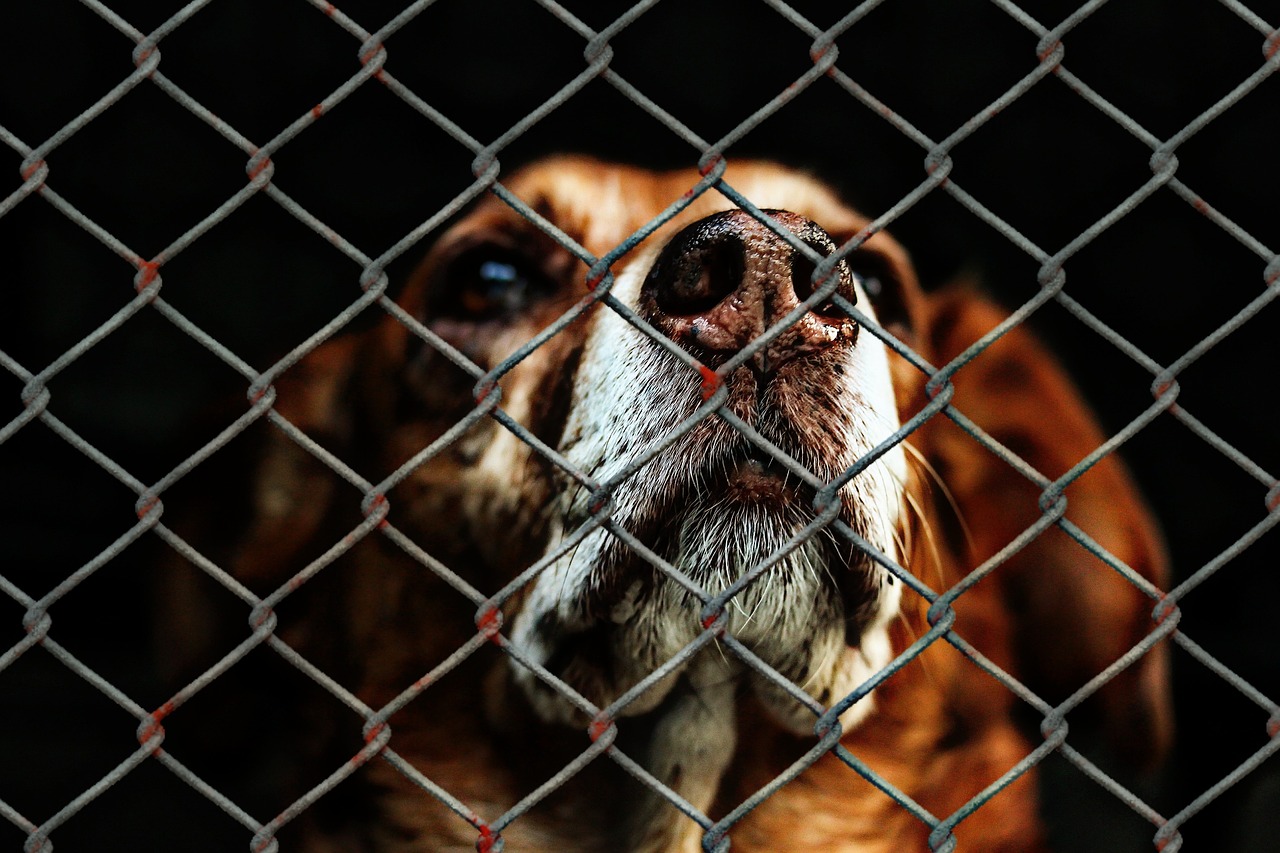

Essential Tools Every Emergency Dog Rescuer Should Have
In the field of emergency dog rescue, possessing essential tools can make all the difference in saving lives. First and foremost, a reliable vehicle is crucial for transportation. Emergency responders should equip their vehicles with crates for safe dog transport. Also, it’s wise to have a rescue first aid kit tailored specifically for dogs. This kit should include items like bandages, antiseptics, and any necessary medications to stabilize an injured dog. Additionally, consider adding a muzzle for safety, as frightened dogs may panic. Another vital tool is a flashlight with ample batteries; rescuers may need to search in low-light conditions. In such scenarios, headlamps are even better. A sturdy leash, one that’s both durable and easy to handle, is imperative when approaching and securing a dog in distress. Lastly, communication devices such as two-way radios can help stay connected with team members. Overall, these tools are tailored to make the rescue process efficient and safe, ultimately ensuring the best chance for recovery and comfort during a critical time.
Furthermore, an effective way to ensure success in emergency dog rescues is to have a training plan in place. Rescuers should undergo specialized training programs that teach essential techniques such as how to properly evaluate a dog’s health and behavior in emergency situations. Training sessions should cover administering first aid, understanding canine body language, and methods for safely capturing a frightened or aggressive dog. Rescuers should also familiarize themselves with local animal welfare laws and regulations, enhancing their legal knowledge and compliance. Participation in workshops or seminars can provide valuable insights and up-to-date information regarding canine behavior and emergency response. It’s crucial that rescue organizations invest in continuous education, allowing their volunteers to enhance their skills. Developing partnerships with local veterinarians can vastly improve a rescue’s response, especially when immediate medical attention is needed. By building relationships, the rescue team can create a support network for quick consultations. Expertise in dog handling ensures that the rescue process is carried out with minimal stress for both the dog and the rescuer, consequently leading to better outcomes and successful rescues.
In addition to essential tools and training, networking plays a significant role in successful emergency dog rescue operations. Building strong relationships with fellow rescuers and organizations allows for resource sharing, mentorship, and coordinated efforts. Establishing connections with local shelters, veterinary clinics, and rescue groups provides a broader support system during large-scale emergencies. Online forums and social media groups can also be invaluable for exchanging ideas and strategies, helping to spread awareness about dog rescue efforts. Additionally, attending local events that focus on animal welfare fosters community involvement and enhances local partnerships. Every rescuer can benefit from participating in these events, as they provide the opportunity to engage with potential adopters and other stakeholders. By participating in community outreach initiatives, rescuers can raise awareness about the importance of spaying, neutering, and adopting pets instead of purchasing them. Together, these efforts contribute to the overall success of emergency rescue efforts, enabling responders to attend to more dogs in need. Collaborations expand the reach and effectiveness of rescue operations and ensure better outcomes for vulnerable animals.
Important Safety Gear for Rescuers
Safety should always be a priority when performing emergency dog rescues. Rescuers must wear appropriate safety gear to protect themselves from potential injuries, bite incidents, or exposure to hazardous conditions. One of the key elements of protective gear is sturdy gloves, which can safeguard hands when handling frightened dogs. Additionally, boots with good traction are necessary, particularly in case a rescuer needs to traverse uneven terrain. If the response requires entering hazardous environments, such as construction sites or disaster areas, helmets may also be advisable to protect against falling debris. In such challenging conditions, reflective vests can enhance visibility, allowing others to see rescuers easily. First aid training will also equip rescuers with knowledge about how to tackle minor injuries sustained during rescues and how to apply proper human first aid. Overall, prioritizing one’s safety is paramount in rescue operations as it ensures rescuers can perform effectively while minimizing risks involved in potentially dangerous situations.
Moreover, tracking technology can greatly enhance the efficiency of emergency rescue efforts. GPS devices and apps can provide detailed locations of missing or buried dogs, ensuring that efforts are directed accurately. Having access to drones equipped with cameras can give rescuers an aerial view, facilitating quicker identification of dogs in large areas such as forests or open terrains. These high-tech solutions enable immediate action and minimize the time dogs may spend in distress. Additionally, using a tracking collar can benefit dogs known to escape easily, helping to locate them quickly should they go missing. In a disaster scenario, collaborating with search and rescue organizations can integrate these technologies and strategies, increasing the impact of rescue operations. Using a combination of traditional rescue techniques and modern technology, responders can maximize their effectiveness during emergencies while reducing risks for dogs involved. Technology is increasingly becoming a game changer in emergency dog rescues, ensuring a higher success rate in finding and bringing dogs to safety.
Lastly, it is essential for emergency dog rescuers to remain emotionally strong while performing their duties. The nature of this work can be emotionally draining, particularly when dealing with neglected or injured dogs. To ensure psychological well-being, rescuers should develop coping mechanisms to manage stress effectively. This includes embedding self-care routines into their schedules, allowing time to recharge from emotional situations. Regular debriefings among team members can provide a platform to discuss experiences, share feelings, and process the trauma of stressful rescues. Engaging in community support systems or counseling programs can also foster a healthy work environment and prevent burnout. Participating in teamwork activities outside of rescue operations can provide much-needed bonding opportunities and morale boosts. Ultimately, by prioritizing emotional health, rescuers will be better equipped to handle the challenges of the field, maintaining high levels of compassion and commitment to the dogs they aid. Emotional resilience is necessary for sustainability in this demanding role, ensuring ongoing efforts to provide the best possible care and support for rescued animals.
In conclusion, a comprehensive set of tools, training, networking, safety gear, tracking technology, and emotional resilience are integral components to enhance emergency dog rescue operations. By ensuring that all of these aspects are adequately addressed, responders can create a supportive environment for themselves and the animals they assist. Incorporating technology into traditional rescue methods leads to more efficient operations, while strong community ties lay the foundation for collaborative efforts. Finally, prioritizing personal well-being protects the mental health of rescuers, allowing them to maintain a spirited approach to animal rescue. When these elements come together, the chances for successful outcomes dramatically increase, providing hope for the countless dogs in need of rescue. Effectively combining their knowledge, experience, and passion, rescuers play a crucial role in turning challenging situations into opportunities for change.