
Managing Shedding in Cats with Sensitive Skin
Shedding is a common issue among cats, and it can be quite pronounced in those with sensitive skin. Understanding how to manage this shedding effectively is vital for both your cat’s health and your home environment. Several factors contribute to shedding, including diet, environment, and grooming habits. Cats with sensitive skin may shed more than usual due to irritation or allergies, making it essential to address these underlying issues. While regular grooming can help reduce loose fur, you should also ensure your cat’s diet is rich in essential fatty acids, which can promote a healthy coat. Additionally, maintaining a stable and comfortable environment can alleviate stressors that might lead to excessive shedding. Consider consulting with a veterinarian if you notice sudden changes in shedding, as it could indicate underlying health problems. By taking a multi-faceted approach to managing shedding, you can improve your cat’s wellbeing while minimizing the fur around your home. As a caring cat parent, your proactive efforts can make a significant difference in your feline’s comfort and health, ultimately leading to a happier and less stressful environment for both of you.
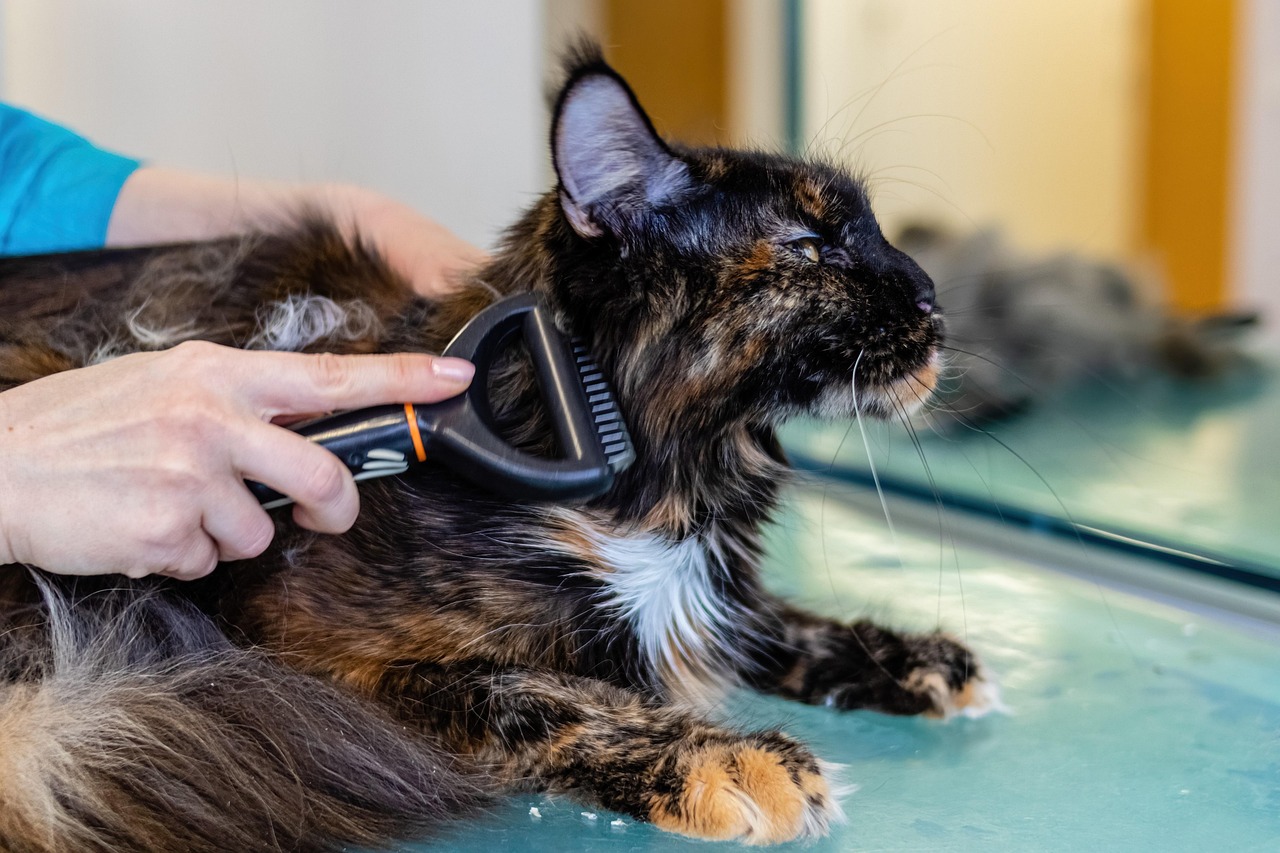
Regular grooming is essential for cats with sensitive skin, as it helps remove loose fur and prevents matting. Utilizing gentle grooming tools can make a substantial difference in ensuring your cat remains comfortable during the grooming process. A soft-bristled brush or a grooming mitt designed specifically for sensitive skin can effectively collect shedding fur without causing irritation. Additionally, create a grooming routine that suits your cat’s temperament, as frequent sessions can also facilitate bonding time. It’s crucial to introduce grooming gradually, using treats to make the experience enjoyable. Pay close attention to areas that may shed more, such as the belly and hindquarters, ensuring that you groom these spots regularly. Moreover, introduce a consistent routine so your feline friend knows what to expect. If your cat shows signs of distress, it may be helpful to keep grooming sessions short and gradually increase their duration. Tailoring your grooming practices to respect your cat’s comfort level will encourage positive associations with the process. Regular grooming not only helps in managing shedding but also provides an opportunity to check for any skin issues or parasites that could exacerbate shedding.
Choosing the Right Diet
Diet plays a crucial role in maintaining your cat’s skin health and coat condition. A balanced diet rich in high-quality proteins and essential fatty acids can significantly minimize shedding among cats with sensitive skin. Foods containing omega-3 and omega-6 fatty acids, such as fish oil, can improve skin hydration and resilience. Consider options available that are specifically formulated for sensitive skin or skin and coat maintenance to address shedding issues effectively. Reading labels and ensuring that you are choosing a premium cat food brand is essential for the overall health of your cat. An adequate water supply is also crucial; hydration affects skin health. Dehydrated cats can experience dry skin, exacerbating shedding problems. Monitor your cat’s water intake and consider offering wet food as an alternative. Introducing supplements like fish oil can also boost their omega-fatty acid intake, supporting both skin and coat health. Whenever you change your cat’s diet, do so gradually to prevent gastrointestinal issues. Consulting with a veterinarian before making significant dietary changes is always a wise choice to ensure optimal health benefits for your pet.
Environmental factors can significantly impact your cat’s shedding, especially for those with sensitive skin. Stress and changes in the home environment can trigger excessive shedding, leading to discomfort for your feline friend. Keep your cat’s living space clean and free from allergens that could irritate their skin. Regularly vacuuming carpets, furniture, and bedding can help minimize dander and loose fur, reducing allergies for both your cat and your family. Use air purifiers to improve air quality and alleviate respiratory irritants. Make sure that your cat has safe, cozy areas for retreat, reducing stress in their environment. Additionally, maintaining a consistent temperature and humidity level can benefit your cat’s coat, preventing their skin from becoming too dry or irritated. If you have multiple pets, it’s essential to monitor interactions to ensure a harmonious household. If you notice behavioral changes or increased shedding, consider offering calming solutions like pheromone diffusers or anxiety-reducing products. Finding the right balance in your cat’s environment can directly impact their stress levels, leading to better skin health and less shedding overall.
Health Considerations
Sometimes, excessive shedding in cats may point to underlying health issues, particularly in those with sensitive skin. Conditions such as allergies, parasites, or even hormonal imbalances can manifest as increased shedding. Consulting a veterinarian is essential if you observe sudden spikes in your cat’s shedding pattern. They can perform skin tests and check for allergies that may be causing irritation or discomfort. Regular veterinary check-ups ensure your cat remains healthy while addressing any issues early on. Treatments for allergies may include antihistamines, special medicated shampoos, and dietary changes. If parasites are identified, your vet may recommend appropriate treatments such as topical solutions or medications. Moreover, regular vaccinations can prevent diseases that may indirectly influence fur loss and coat condition. By understanding your cat’s health needs, you can proactively manage shedding and improve their overall quality of life. It’s crucial for cat owners to remain vigilant and attentive to changes in shedding patterns and behavior. An effective partnership with your veterinarian can lead to tailored solutions that benefit your feline friend.
Utilizing the right grooming products can greatly alleviate the challenges of managing shedding in cats. Look for shampoos and conditioners designed for sensitive skin, which can help nourish the coat and reduce excess shedding. A gentle, hypoallergenic cat shampoo can additionally reduce the chances of irritation while providing a soothing bath experience. Regular bathing, done with care, can help control loose fur and dander without stripping the natural oils from their skin. The frequency of baths will depend on your cat’s coat type and sensitivity level, so consult with your vet for personalized recommendations. Additionally, consider investing in grooming tools that are easy to use and cater to your cat’s unique needs. Special de-shedding tools can effectively grab loose hair while minimizing discomfort. Always follow the bathing routine with a gentle massage to keep your pet relaxed and comfortable. Maintaining a fur-friendly environment in your home is equally important. Keeping surfaces clean not only benefits you as an owner but also contributes to a healthier space for your furry companion. A clean and organized space can also positively impact the grooming process.
Conclusion
Managing shedding in cats with sensitive skin may feel challenging; however, understanding your cat’s needs will lead to effective solutions. Adopting a comprehensive strategy can significantly reduce shedding while improving your cat’s comfort and health. Begin with regular grooming and make dietary adjustments to enhance skin health. Address environmental factors and keep an eye on any stressors that could exacerbate shedding issues. Regular veterinary visits can provide insight into any underlying health problems that may require attention. Utilizing appropriate grooming products, combined with a supportive environment, creates an optimal setup for cats with sensitive skin. Maintain open communication with your veterinarian, ensuring that your pet receives tailored care according to its unique needs. Your proactive efforts can lead to a more comfortable and enjoyable life for both you and your feline friend. Shed less, enjoy more quality time together with a well-maintained and healthy kitty by your side. Remember that being a responsible cat parent means addressing shedding as one of many aspects of your pet’s comprehensive care, leading to a loving, healthy relationship between you and your cat.
No matter how much fur is on your floor, your commitment to managing shedding will reward you with a happier cat and a cleaner home.