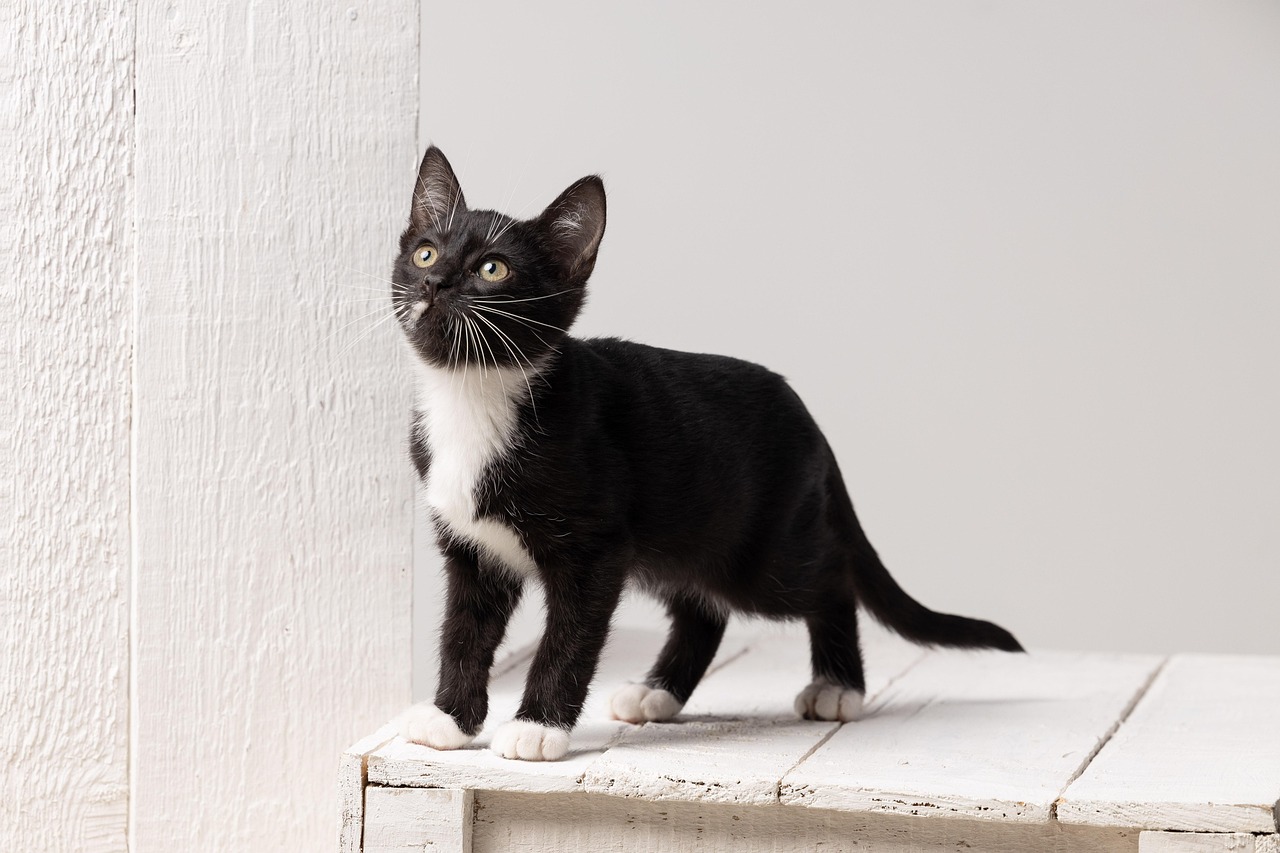

Stories of Hope: Cats Saved by Rescue Organizations
In the heart of every community, cat rescue organizations emerge as beacons of hope for stray and neglected felines. These organizations work tirelessly to save cats from dire situations, providing shelter and care. Volunteers willingly devote their time to care for these animals, ensuring they receive proper nutrition, medical attention, and a safe haven. Many cats are found abandoned, wandering the streets, or even surrendered by their owners due to unforeseen circumstances. Inside these rescues, every cat has a unique story, often filled with heartache yet brimming with resilience. Each cat is crucial to the mission of spreading awareness about animal welfare, promoting the importance of spaying and neutering, and finding them forever homes. The commitment from foster homes allows for individual care and nurturing of these cats, helping them heal from past traumas. With love and dedication, participants share their experiences, connecting potential adopters with the cats that need homes. This bond forged between humans and felines leads to many happy endings. To learn more or support these organizations, visit their websites. Every donation makes a difference in a cat’s life.
Transforming Lives: Successful Adoption Stories
Among the most inspiring aspects of cat rescue organizations are the remarkable adoption stories that emerge. Take, for example, Tigger, a timid tabby who was once frightened and withdrawn after being rescued from an abusive situation. With the support of dedicated volunteers and therapists striving to socialize him, Tigger gradually learned to trust again. His devoted foster parent played a pivotal role, creating a calming environment filled with love and patience. After several months of rehabilitation, Tigger found a loving family who recognized his quiet spirit. Another heartwarming tale involves Bella, a fluffy Persian cat who ended up in a shelter due solely to her owner moving. Bella spent weeks in the shelter before a compassionate volunteer became smitten with her. Now in a forever home, Bella enjoys different sunny windowsills throughout her new place, relishing the life she once thought was lost forever. Stories like Tigger’s and Bella’s illustrate the power of rescue organizations in transforming lives—both feline and human. Each cat adopted signifies hope, second chances, and a chance for families to experience the joy of a furry companion.
Cats, especially those from rescue organizations, exhibit unique personalities that continue to shine through despite their past hardships. Humane shelters and rescue networks understand the need for their volunteers to prioritize individual cat assessments, identifying temperament, preferences, and quirks. Some cats display playful characteristics, while others may be more laid-back, seeking peaceful environments. In many cases, fostering relationships with potential adopters involves matching their lifestyles with cats that complement their needs. Families often seek energetic companions for children, while seniors may prefer more sedate feline friends. The matching process also highlights the importance of education, teaching new owners about each cat’s behavior and care requirements. Rescue organizations often emphasize that every cat deserves a loving home, and potential adopters should be aware of their commitment in nurturing their new family member. It is crucial to discuss the long-term effects of adoption on the family dynamics and the responsibility it entails. The education provided by these organizations ensures both the cat’s wellbeing and the smooth integration into its new home, significantly improving the outcome of each adoption.
The Role of Community in Cat Rescue
Community engagement is a cornerstone of successful cat rescue operations. Local businesses, schools, and pet stores often collaborate with rescue organizations to raise awareness about the importance of spaying/neutering and adopting, rather than shopping for pets. Fundraising events, such as walks, bake sales, and charity auctions, become platforms where communities unite for a common cause: helping homeless cats find a safe and loving environment. Awareness campaigns reach out to the public via social media, showcasing available cats and sharing heartwarming rescue stories. Engaging the community fosters volunteer participation, expanding the network of individuals willing to assist in rescuing and rehabilitating stray cats. Many organizations host special events, like adoption days or educational workshops in parks, where families can interact with cats looking for homes. These interactions help showcase the cats’ personalities and encourage potential adopters to consider bringing a cat into their lives. The stories that arise from these connections often ripple through the community, inspiring others to join the cause and promote feline welfare, ensuring every cat gets a chance at a joyful life.
Fostering cats in need plays a vital role in rescue operations, ensuring a safe and nurturing environment before they find their forever homes. Foster families provide essential support by caring for the cats, allowing them to adjust to indoor living and receive crucial socialization. This transition phase is paramount in helping feral or timid cats learn how to trust humans again, greatly increasing their chances of adoption. Many fosters report profound rewards from their experiences, forming meaningful connections with the cats they welcome into their homes. Furthermore, successful fostering contributes to the overall rescue process, alleviating space constraints in shelters. By placing cats with foster families, organizations can focus on rescuing more felines and providing them with necessary medical attention. Foster families often share the cats’ stories online, showcasing their personalities and seeking adopters. Completion of this cycle encourages community engagement and promotes a culture of caring towards felines in need. Volunteers’ commitment to fostering ultimately strengthens the rescue organization’s mission and allows many more cats to find their loving forever homes, underscoring the importance of fostering in rescue operations.
Challenges Faced by Cat Rescue Organizations
Despite the incredible work done by rescue organizations, they face numerous challenges that hinder their efforts. One of the primary obstacles is the overflowing population of stray and abandoned cats, often overwhelming rescue resources. Limited funding and donations lead to constraints in available facilities, leaving many cats without urgent care. Additionally, public awareness of the impacts of overpopulation and neglect remains a significant hurdle. Educating communities about responsible pet ownership, including spaying and neutering, is essential for reducing the number of cats that enter shelters. Moreover, rescue organizations struggle with the costs associated with veterinary care, vaccinations, and spaying/neutering surgeries, which often require constant fundraising. Social stigma surrounding adopting shelter animals also creates barriers, as some individuals still perceive shelter cats as less desirable than those from breeders. Building public trust and creating a positive narrative surrounding rescued cats, however, remains an ongoing mission. The dedication displayed by volunteers in combatting these challenges is crucial in reshaping perceptions while ensuring the future of countless lives. Through relentless advocacy efforts and support from the community, these organizations strive to create meaningful change.
Ultimately, by sharing the inspiring stories of hope, resilience, and transformation that stem from cat rescue operations, individuals can drive change in their communities. Many rescue organizations actively promote their work through social media, engaging platforms to showcase their successes and highlight the cats they save. By sharing compelling narratives and captivating visuals online, they reach a broader audience and spark conversations about the urgency of animal welfare. Fostering a dialogue regarding responsible pet ownership, understanding feline behavior, and recognizing the importance of spaying and neutering contributes to a supportive environment for these organizations. Every individual can play a role in supporting cat rescue through volunteering, fostering, and adopting. These actions, however small, can inspire collective goodwill towards a brighter future for countless cats in need. The success stories shared can generate motivation for others to participate, creating an expanded network of caring individuals working together for social change. In doing so, the cycle of neglect can be disrupted, leading to a permanent resolution for many deserving cats. Through collaboration and awareness, communities can ensure that every cat receives the love and care it requires.