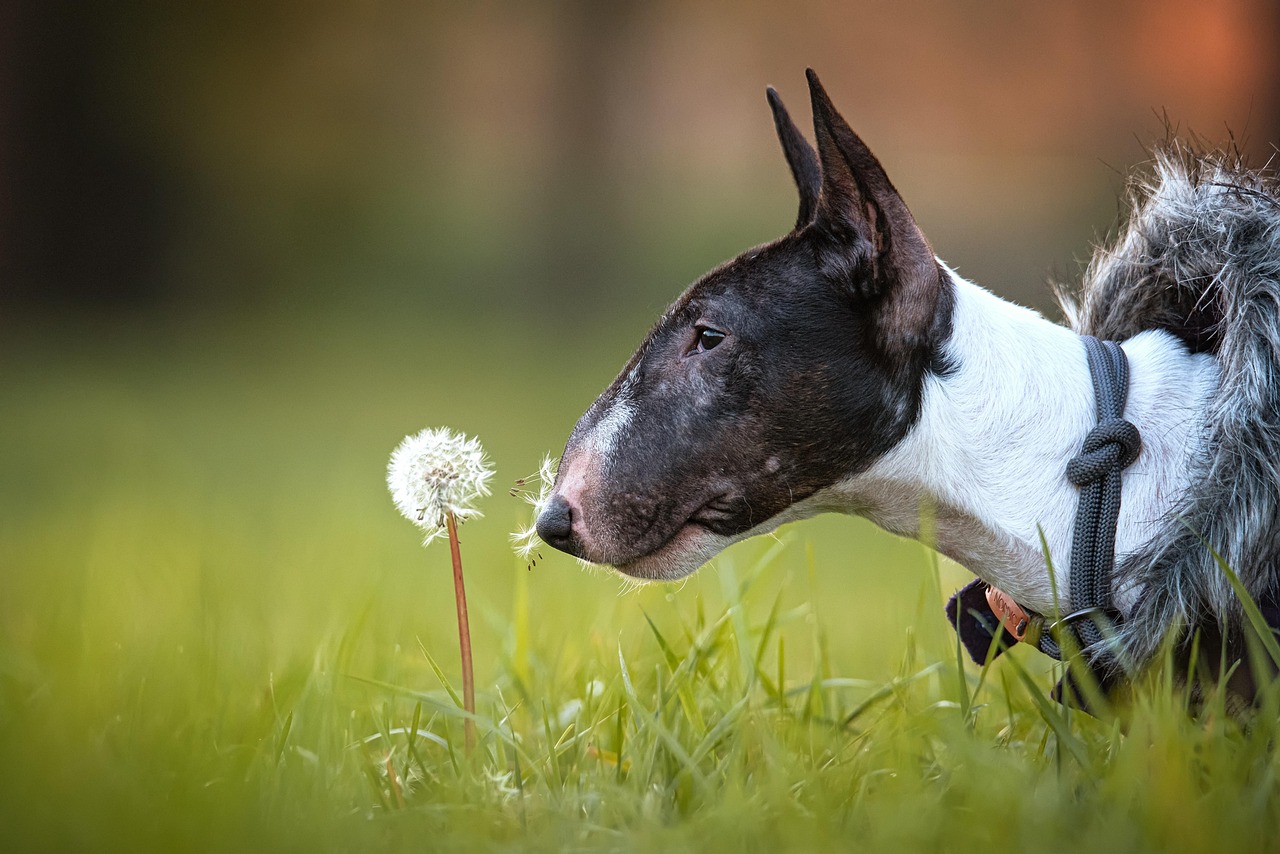

The History and Origin of Bull Terriers
The Bull Terrier originated in England during the early 19th century. Initially bred for bull-baiting, this breed emerged from crossing the now-extinct White English Terrier and the Bulldog. The goal was to create a strong and agile dog, suitable for both work and companionship. After bull-baiting was outlawed in 1835, breeders shifted their focus to producing a more gentle temperament in these dogs. The Bull Terrier became known for its unique, egg-shaped head, which distinguished it from other breeds. Its muscular build and playful nature appealed to families, leading to increased popularity. Throughout the decades, breeders worked diligently to refine the breed, and the Bull Terrier became recognized for its strong, loyal, and courageous disposition. The variety known as the Miniature Bull Terrier was introduced later, offering a smaller option with the same quintessential characteristics. Today, Bull Terriers are not only cherished pets but also strong competitors in dog shows and sports. The breed has established a solid reputation for being not just family-friendly but also highly trainable and energetic, making them a favorite among active households.
The breed standards were developed during the late 19th century, formally recognizing the Bull Terrier by the American Kennel Club. As these dogs gained recognition, they became associated with various cultural symbols and representations. Bull Terriers were seen in popular media and even became associated with certain brands, which contributed to their overall appeal. The breed’s enthusiastic nature and playful demeanor made it a beloved choice for dog enthusiasts and families alike, marking a significant shift from its fighting roots. Breeders continued to work on temperamental improvements, ensuring that the Bull Terrier remained a family-friendly companion. The breed’s unique appearance also played a vital role in its popularity: the distinctively shaped head and muscular physique set it apart from other breeds. Many people found the characteristics of the Bull Terrier charming. With time, the breed has garnered a dedicated fan base, which has led to the establishment of clubs and networks focused on promoting responsible ownership. Beyond their appearances, Bull Terriers are known for their intelligence and loyalty, enabling them to become cherished family members worldwide.
Throughout its history, the Bull Terrier has faced various challenges, including negative stereotypes linked to its fighting heritage. Media portrayals often highlighted aggressive tendencies without recognizing the breed’s friendly and affectionate nature. However, dedicated owners and responsible breeders worked hard to dispel these myths. They focused on proper training and socialization, proving that Bull Terriers could be gentle family pets. Numerous advocacy groups have emerged to educate the public about the breed’s true temperament. Special events and gatherings showcase the breed’s talents and abilities while promoting good ownership practices. Bull Terriers showcase their agility and intelligence through various canine sports, including obedience and agility trials. The breed’s tenacity and playful spirit enable it to excel in activities that engage its mind and body. As time progressed, Bull Terriers began to appear more positively in media compared to earlier years, highlighting their affectionate nature. This shift in perception has contributed to a more widespread understanding of the breed, increasing demand. As responsible bull terrier owners continue to promote positive engagement, the breed can continue to thrive and evolve.
Adoption and Care for Bull Terriers
Adopting a Bull Terrier requires an understanding of their needs and temperaments. Potential owners should consider their lifestyle and environment before choosing this breed. Bull Terriers thrive in active households and require ample exercise to maintain their physical and mental health. Regular walks, playtime, and mental stimulation are essential for these energetic dogs. Proper training and socialization are also crucial for Bull Terriers to ensure they develop a well-rounded personality. Prospective owners should prepare for training sessions that foster obedience and good behavior. Early exposure to different environments, people, and animals contributes significantly to a Bull Terrier’s development as a friendly pet. Additionally, regular vet check-ups are critical to monitor their health and well-being throughout their lives. A balanced diet and an active lifestyle can significantly reduce common health issues associated with the breed. Responsible ownership involves commitment, patience, and love, ensuring that Bull Terriers grow into healthy, happy companions. Community resources can also help new owners find trainers and socialization opportunities tailored to their dogs’ specific needs and interests.
The social nature of Bull Terriers makes them great companions, but they often require companionship from their human families. They thrive on engagement and activities that keep their minds stimulated. Interactive toys and activities, such as puzzle games, can prevent boredom when owners are busy. Importantly, Bull Terriers are not recommended for homes with other small pets due to their strong prey drive. Therefore, families with small animals should consider this aspect before adopting. Creating a safe, designated space within the home can help integrate the Bull Terrier smoothly into family life. Furthermore, breeds like this tend to form strong bonds with their families and protect them fiercely. While they can be independent at times, Bull Terriers generally love being part of the family dynamic, showcasing their playful personalities and affectionate nature. With love and consistent training, they can become wonderful companions. The combinations of their unique characteristics make them suitable for diverse households. In a loving environment, Bull Terriers grow to become loyal, playful, and integral parts of the family’s life, bringing joy and energy to their surroundings.
Conclusion About Bull Terriers
In conclusion, the Bull Terrier is a breed steeped in history yet redefined through responsible ownership. Its transition from a fighting dog to a beloved family pet highlights the breed’s resilience and adaptability. Today’s Bull Terriers are affectionate, loyal, and great companions, celebrated for their endearing personalities. The responsibilities that come with owning this breed are significant and require dedication. Training and socialization are essential to creating well-adjusted, happy pets. Prospective owners must ensure that they provide an active lifestyle, mental stimulation, and proper care for their Bull Terriers. Community support and education are vital in promoting a better understanding of the breed, helping to counteract misconceptions and negative stereotypes. Bull Terriers can shine through any circumstances, offering unconditional love and loyalty to their families. By educating themselves about the breed, owners can foster a positive environment where Bull Terriers thrive. Their playful spirits and loving nature ensure they will continue to be cherished family members for decades into the future. It is clear that the Bull Terrier’s legacy will endure as a distinguished breed, beloved by many around the world.
The legacy of Bull Terriers needs to be preserved through sustainable breeding practices that focus on their health and temperament. Ethical breeders prioritize the welfare of the breed, cultivating traits that enhance the companionship qualities that Bull Terriers are known for. As the popularity of Bull Terriers continues to grow, so does the responsibility of upcoming generations of owners and breeders to maintain the positive image and health advantages of the breed. Volunteering at animal shelters and rescue organizations can be highly beneficial for both future owners and the breed itself. Rescuing Bull Terriers enhances their availability to loving families and contributes to understanding the breed’s needs. As each Bull Terrier finds a forever home, they bring love and loyalty to their new families, perpetuating a cycle of kindness and compassion. Through every story shared, whether via social media or community events, greater awareness can be raised about Bull Terriers. Importantly, their place in history has transformed tremendously, defining a future where they stand as cherished companions rather than misunderstood figures. Thus, every effort invested in advocacy, education, and safe practices enriches the legacy of this vibrant breed.